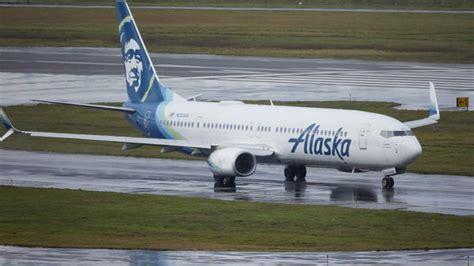
In an unprecedented disruption that has rippled through the U.S. air travel system, Alaska Airlines has abruptly suspended all flights nationwide, grounding its entire fleet and stranding thousands of passengers from coast to coast. The move, confirmed by the Federal Aviation Administration (FAA) late Sunday night, represents one of the most significant operational collapses in recent aviation history.
The sudden halt in operations, affecting both mainline Alaska Airlines and its regional affiliate Horizon Air, has caused chaos in terminals, uncertainty for travelers, and broader concerns about the resilience of the country’s aviation infrastructure.
Nationwide Ground Stop Sparks Airport Chaos
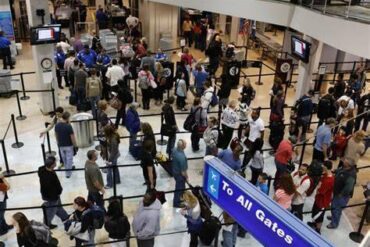
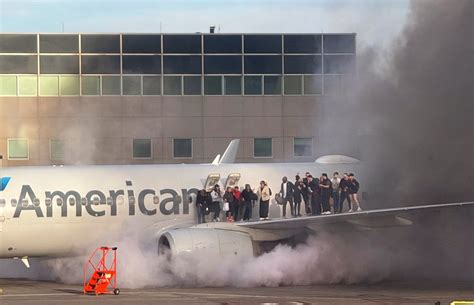
By late Sunday evening, airports across major hubs — including Seattle-Tacoma International Airport (SEA), San Francisco International (SFO), and Portland International Airport (PDX) — began to experience growing crowds of anxious passengers as information about the developing crisis remained scarce. Travelers waited in long queues at Alaska Airlines customer service counters, only to receive inconsistent or no updates from ground staff overwhelmed by the volume of inquiries.
Reports from passengers describe a disorienting experience. Flights that had been scheduled for departure were suddenly canceled without prior notice, while some aircraft already en route were forced to return to gates or divert to nearby airports. With no official cause released, confusion mounted among those desperate to reach family, business appointments, or connecting flights.
FAA Confirms Airline’s Request for Full Suspension
The FAA confirmed on its emergency operations status page that the halt in services was requested by Alaska Airlines itself, citing unspecified operational concerns. The FAA then expanded the suspension to include Horizon Air, which operates regional flights on behalf of Alaska Airlines, amplifying the impact across smaller cities and feeder routes.
While speculation swirls about the reason behind the shutdown, official channels have remained silent. Media inquiries to Alaska Airlines, Horizon Air, and FAA representatives have gone unanswered. No clear statement has been released by Alaska Air Group, the parent company, leaving industry observers and travelers to fill in the blanks.
Software Glitch Suspected, But Unconfirmed
Insiders and early reports suggest that a technical malfunction related to the aircraft weight and balance system may be at the heart of the problem. This software is crucial for ensuring aircraft safety during takeoff, as it determines how fuel and cargo are distributed.
Despite the speculation, no confirmation has been issued by the airline. Until more information emerges, passenger safety concerns, cybersecurity fears, and broader IT failures remain possible explanations. The lack of transparency has fueled speculation and further eroded public trust.

Real-Time Outage Reports Reveal Scope of Impact
Data from DownDetector — a platform that tracks user-submitted complaints and service outages — indicates a sharp surge in issues beginning at 9:30 p.m. EST. By 11:45 p.m., more than 400 outage reports had been filed, many describing mass flight cancellations, inability to check in via the airline’s app, and boarding delays.
In airports nationwide, stranded passengers posted images and videos on social media depicting overcrowded terminals, abandoned gates, and blocked flight information boards. One traveler in Denver said, “I’ve been sitting here for five hours. They keep saying updates are coming, but there’s nothing. It’s like we’re on our own.”
Alaska Airlines’ Fleet and Network Disruption
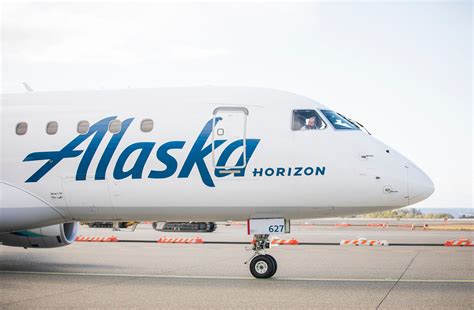
Alaska Air Group operates a fleet of over 320 aircraft, including 238 Boeing 737s and 87 Embraer 175 jets. The size of this fleet and the scope of its service mean that the halt is not only an inconvenience but a severe logistical catastrophe. Horizon Air’s suspension compounds this, particularly in regional communities that rely on its connectivity.
Every hour that aircraft remain grounded, dozens of scheduled departures are lost, pushing the backlog into the following days. Furthermore, connecting passengers with itineraries involving multiple carriers may face cascading delays as codeshare agreements unravel under the weight of the disruption.
A Troubling Trend in Aviation Reliability
This marks the second major operational collapse in the U.S. airline industry in recent months. Earlier this year, another legacy carrier experienced a similar technological outage that paralyzed its check-in and reservation systems. The growing pattern underscores a worrying reality: airlines remain vulnerable to software and IT fragility, even as they push toward automation and centralized operations.
With post-pandemic travel surging, any disruption now affects a larger, more impatient customer base. Travelers are increasingly unwilling to tolerate opaque communication, limited compensation, and unreliable schedules. Alaska Airlines’ decision to ground flights without offering a detailed explanation has triggered criticism from consumer advocacy groups, calling for greater accountability and transparency from carriers.
The Human Toll of a Nationwide Suspension
Beyond the technical and regulatory aspects of this situation lies the human cost. Families were separated. Business travelers missed critical meetings. Some passengers faced overnight stays in unfamiliar cities, forced to sleep on airport floors or seek scarce hotel accommodations at their own expense.
Multiple reports described passengers stuck on tarmacs for extended periods, unable to disembark due to gate unavailability or crew shortages. For elderly passengers, individuals with disabilities, and families with small children, the stress and physical toll were significant. The silence from Alaska Airlines only exacerbated their distress.
The Silence from Alaska Airlines Raises Eyebrows
The airline’s complete lack of communication has drawn scrutiny. Unlike previous crisis events where CEOs or public relations heads issued swift reassurances or press statements, Alaska Airlines’ public channels remained curiously quiet. Their official social media accounts offered no clarity, and the airline’s website failed to prominently display information about the unfolding suspension.
This absence of messaging is perceived as either a breakdown in internal coordination or a strategic choice to withhold information while the company scrambles for solutions. Either scenario casts a shadow over Alaska’s reputation as a customer-centric, responsive airline.
Possible Scenarios and Industry Ramifications
Should the cause turn out to be a software flaw or cybersecurity breach, Alaska Airlines — and possibly other U.S. carriers — will face pressure to reevaluate digital infrastructure safeguards. Regulatory agencies like the FAA and the Department of Transportation may launch investigations, potentially leading to new compliance requirements for operational continuity and disaster response readiness.
Airlines already operate within razor-thin profit margins and volatile fuel and labor markets. A crisis of this magnitude introduces additional stressors — from refund demands and legal liabilities to brand damage and stock price dips. If the disruption extends further, it may affect quarterly financial performance and invite investor scrutiny.
What Comes Next?
As of this writing, Alaska Airlines remains grounded, with no official time frame announced for a return to service. Industry analysts speculate that internal diagnostics, FAA oversight, and possibly third-party audits will be required before the fleet can resume operations.
Passengers have been advised to regularly check flight status updates, though the airline’s communication failures have left many confused about where to turn. Refund policies, voucher programs, or rebooking procedures have not been formally announced, leaving stranded travelers in limbo without direction.
A Defining Moment for Alaska Airlines
Alaska Airlines’ reputation has long rested on its reliability, cost efficiency, and commitment to customer service. This crisis threatens to unravel years of brand equity. The days ahead will determine whether the carrier can salvage its standing or if this marks a turning point in consumer trust.
What’s certain is that a full recovery — both operationally and reputationally — will require swift action, clear communication, and renewed commitments to transparency. For now, thousands of passengers continue to wait, grounded not only in airports but in uncertainty.