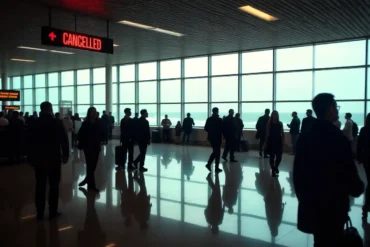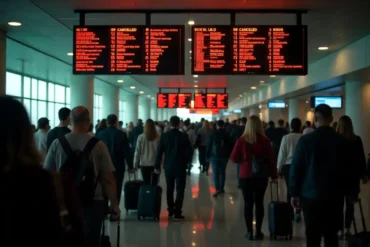
In a sweeping and immediate response to an escalating tsunami threat, the United States has activated a comprehensive set of urgent safety measures, including a complete suspension of all Alaska Airlines flights to Hawaii. The drastic move comes in the wake of an 8.8 magnitude earthquake that rocked the region off the eastern coast of Russia, triggering widespread tsunami alerts across the Pacific Rim, and especially placing Hawaii in direct danger.
The quake, which struck just before nightfall, sent shockwaves through international aviation schedules, and prompted rapid coordination among U.S. federal and local authorities, airlines, and emergency management systems. The United States Geological Survey (USGS) has confirmed the quake’s magnitude and depth, with monitoring stations detecting rising wave energy heading southeast toward the Hawaiian Islands.
Alaska Airlines Grounds All Flights to Hawaii as Tsunami Approaches
Alaska Airlines, acting in coordination with the Federal Aviation Administration (FAA) and the Transportation Security Administration (TSA), issued an unprecedented directive: all flights bound for Hawaii are to be suspended indefinitely until the tsunami threat passes or is downgraded.
This includes scheduled departures to Honolulu (Oahu), Kona (Big Island), Lihue (Kauai), and Kahului (Maui). A parallel decision by Hawaiian Airlines reinforces the significance of the threat, with the carrier also suspending key routes.
The tsunami waves are expected to hit Hawaii’s shores by 10:00 p.m. PDT, and could cause severe inundation along vulnerable coastal zones. In preparation, emergency alert systems across the Hawaiian archipelago have broadcast evacuation orders urging coastal residents and tourists alike to seek higher ground.
National Weather Service Warns of Dangerous Coastal Conditions
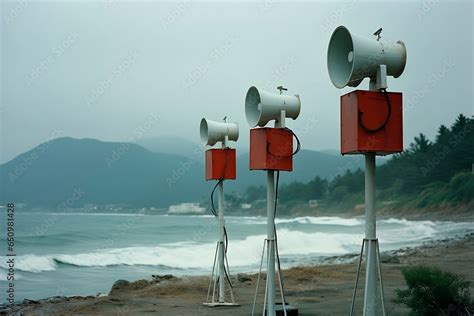
The National Weather Service (NWS) has issued an emergency tsunami warning for all islands in Hawaii, describing the approaching waves as potentially “life-threatening.” The agency’s Pacific Tsunami Warning Center has deployed enhanced surveillance systems and activated island-wide siren systems in anticipation of landfall.
The topography of Hawaii’s coastline, which includes low-lying areas densely populated with residential and commercial infrastructure, makes it particularly susceptible to tsunami-related flooding. Emergency shelters have been opened across the state, and the Hawaii Emergency Management Agency is mobilizing resources to aid in potential rescue and relief operations.
Ripple Effects Across the Pacific: U.S. West Coast and Asia on Alert
The threat from the Russian quake is not limited to Hawaii. Tsunami advisories have been issued for Alaska, Japan, and even the U.S. West Coast, including parts of Washington, Oregon, and California. Although the anticipated impacts on the continental United States are expected to be less severe, coastal authorities have advised residents to stay off beaches and remain alert to changing water levels.
In Alaska, where the earthquake’s tremors were faintly felt in the Aleutian Islands, port authorities have restricted dockside activities and deployed tidal monitoring buoys to track the wave’s progress. The Department of Homeland Security has placed Federal Emergency Management Agency (FEMA) response teams on standby.
Alaska Airlines Implements Flexible Travel Policies Amid Disruptions
Understanding the disruption and anxiety faced by passengers, Alaska Airlines has enacted a flexible travel waiver policy that enables customers to change or cancel flights without penalty. Passengers with travel booked between July 30 and August 3 to any Hawaiian destination can reschedule their flights or opt for a full refund.
Customer service centers, both online and at airport terminals, have been overwhelmed with queries, and the airline has increased staffing to provide support. Travelers are strongly encouraged to check Alaska Airlines’ official site or mobile app for the latest flight information.
Additionally, airport terminals in Seattle, Portland, San Francisco, and Los Angeles—all major hubs for Hawaii-bound flights—are experiencing growing crowds of stranded passengers. Many are being provided with meal vouchers and overnight accommodation where needed, as the uncertainty looms.
Hawaiian Airlines Also Halts Operations as Island Infrastructure Prepares for Impact
Hawaiian Airlines, which operates the largest number of inter-island and U.S. mainland flights to Hawaii, has followed Alaska Airlines’ lead by grounding both inbound and outbound flights. The airline is working in tandem with Hawaii’s Department of Transportation and airport authorities to secure aircraft and ground operations at major airports.
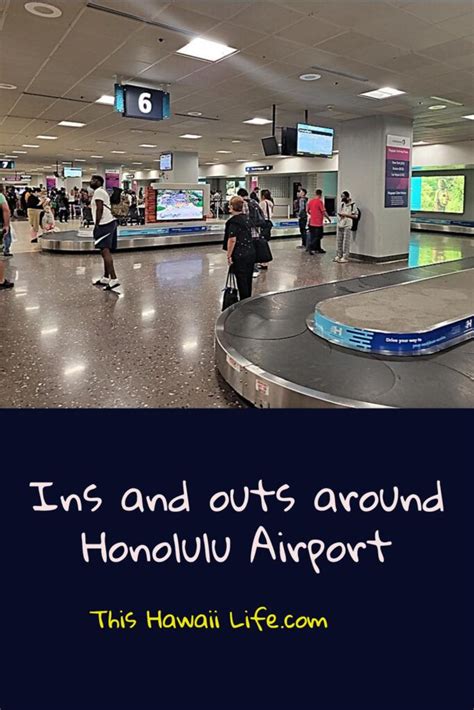
Infrastructure teams across Hawaii have begun securing ports, shutting down beachfront commercial zones, and evacuating harbor areas. Honolulu International Airport (Daniel K. Inouye International Airport) remains operational for emergency flights only, with restrictions on all commercial landings and takeoffs.
Emergency Measures Rolled Out as Tsunami Waves Draw Closer
The Hawaii Emergency Management Agency has initiated full-scale response operations. Residents are being moved inland, and tourists from beach resorts have been transported to inland hotels and shelters set up in schools and sports arenas. Major highways have been cleared for emergency use, and public transport services are operating in disaster-response mode.
Electric utility companies are preparing for potential power outages, especially in coastal grids most vulnerable to flooding. Hospitals and clinics have been placed on high alert, with ambulances and emergency staff mobilized across all islands.
The Russian Quake and Pacific Seismic Volatility
Seismologists attribute the 8.8 magnitude quake to tectonic shifts along the Kuril-Kamchatka Trench, a known subduction zone notorious for producing high-energy earthquakes. The depth and location of the quake—approximately 40 km beneath the seafloor—have made it ideal for displacing a large volume of water, thus generating a tsunami.
Historical records show that this seismic corridor has produced tsunamis affecting multiple nations, and today’s event reaffirms the Pacific Ring of Fire’s volatility. In response, international seismology centers, including Japan’s JMA and NOAA in the United States, have amplified real-time data-sharing to coordinate alerts.
Implications for Travelers and Residents: What to Expect
For residents and tourists in Hawaii, this natural event is a sobering reminder of the archipelago’s geographical vulnerability. While the full magnitude of the tsunami’s impact remains to be seen, early preparation and government coordination appear robust.
Visitors who planned to enjoy the islands’ beaches and culture now find themselves in emergency shelters or rerouted to mainland hotels. Airlines are expected to resume operations only after official all-clear signals from both local governments and meteorological agencies.
Communication Infrastructure and Information Dissemination
Hawaii’s robust emergency communication networks are now being tested. From mobile alerts to radio broadcasts, residents have been kept informed with up-to-the-minute guidance. The Hawaii Tourism Authority is working with hotels to manage large groups of stranded tourists.
Airlines, including Alaska and Hawaiian, are issuing regular updates via email, social platforms, and their websites. The FAA has set up an emergency coordination line for pilots, ground crews, and dispatchers working across the Pacific region.
Looking Ahead: Caution, Coordination, and Recovery
As Hawaii braces for potential devastation, the world watches how this island state will weather yet another challenge from nature. The swift grounding of Alaska Airlines flights demonstrates the importance of preemptive safety over business continuity, and showcases a rare moment of full coordination between government, aviation, and emergency services.
It is expected that assessment teams from NOAA and FEMA will begin evaluating damage, if any, as soon as the threat subsides. Local authorities have warned that even after the initial wave, additional surges may follow hours later—a hallmark of tsunami events.
Conclusion: Vigilance in the Face of Nature’s Unpredictability
The United States’ decisive response, led by the suspension of all flights to Hawaii and the activation of national safety protocols, underscores the seriousness of the situation. With lives at stake and infrastructure in the crosshairs, the emphasis remains on preparation, protection, and communication.
Travelers are advised to remain flexible and stay informed. Airlines are prioritizing passenger safety, while emergency teams continue to operate around the clock. In times like these, information—and how quickly it’s shared—can make the difference between tragedy and survival.