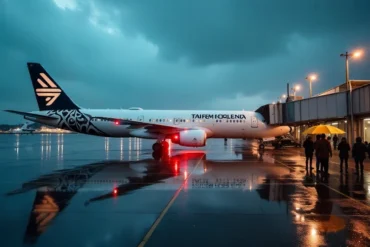
Honolulu International Airport, one of the busiest gateways to the Pacific, was thrown into disarray on Wednesday, July 30, 2025, as tsunami alerts prompted widespread flight delays and cancellations. Alaska Airlines, Delta Air Lines, and Hawaiian Airlines were among the hardest-hit carriers, each scrambling to manage the chaos triggered by the natural threat. While no physical damage was reported at the airport itself, the disruption sent ripple effects through the island state’s tourism economy and exposed the fragile balance between air mobility and natural disasters.
Honolulu Airport Halts Operations Amid Tsunami Threat
The tsunami warning, issued by the Pacific Tsunami Warning Center, caused a partial operational freeze at Daniel K. Inouye International Airport (HNL), halting both domestic and international air traffic. Although the alert was precautionary, airport authorities opted to temporarily shut down runways, reassign aircraft to safe zones, and coordinate with emergency services to prevent any potential harm. This decisive yet disruptive action had an immediate and severe impact on passenger movement.
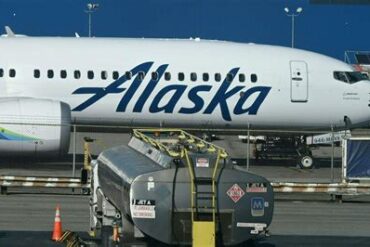
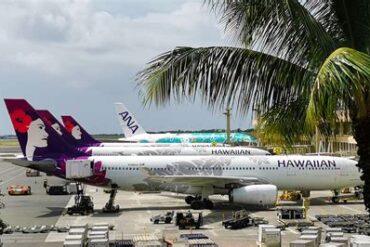
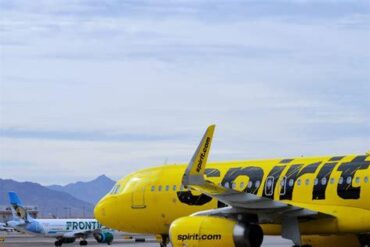
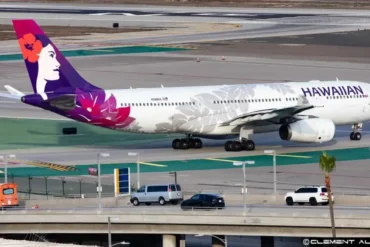
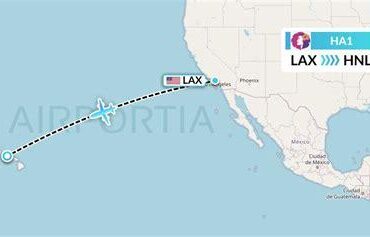
Flights destined for or departing from the continental United States, including key cities such as Seattle, Los Angeles, San Francisco, Atlanta, and Minneapolis, were suspended or diverted. The impact was particularly intense for Alaska Airlines, whose strong West Coast-Hawaii route network made it vulnerable to abrupt closures. Delta, with its transpacific connections, and Hawaiian Airlines, the state’s flagship carrier, also faced operational paralysis.
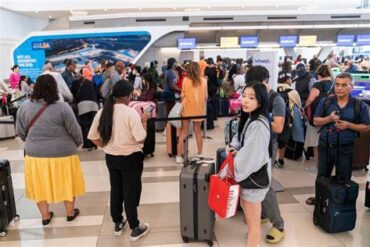
Travelers were left stranded at terminals, their boarding passes voided, and their itineraries placed in limbo. Airline personnel were seen attempting to manage crowds, update manifests, and distribute food and water — a glimpse into the sudden logistical crisis at hand.
Turbulence for Hawaii’s Tourism Industry
Hawaii’s dependence on air travel means that any disturbance to aviation services delivers a swift blow to its tourism economy. With Honolulu Airport acting as the central hub for international and inter-island visitors, the tsunami threat could not have struck at a more inopportune moment. Peak season travel, including thousands of leisure travelers arriving from Asia and the mainland U.S., was instantly interrupted.
Dozens of flights were canceled or delayed within hours, forcing inbound tourists to either postpone or abandon their trips entirely. According to state tourism officials, major resort zones like Waikiki, Ko Olina, and Maui witnessed mass cancellations. The immediate downturn in arrivals not only left hotel rooms vacant but also hit tour operators, restaurants, and transportation services reliant on a steady influx of visitors.
Passengers caught in the confusion reported spending hours in terminals without clear information about their options. Those trying to leave the islands found themselves trapped, while those trying to arrive were rerouted to neighboring Pacific airports, including Kona International Airport and Maui’s Kahului Airport, which were not as affected.
Swift Response from Airlines and Authorities
Despite the unprecedented nature of the warning, the response from Honolulu Airport management and airline officials was rapid. Emergency coordination centers were activated. Announcements echoed through terminals, guiding passengers to safety zones. Security was tightened, and ground crews secured aircraft at risk.
Alaska Airlines issued public statements assuring customers that all delayed flights would be rebooked without additional charges. Delta Air Lines offered travel waivers and opened a hotline for displaced passengers. Hawaiian Airlines, meanwhile, collaborated with local hotels to accommodate stranded travelers and deployed additional ground staff to manage information desks.
Authorities made it clear that passenger safety was paramount. Honolulu’s Department of Transportation emphasized that the decision to halt flights, though disruptive, was necessary to safeguard lives. Airport operations gradually resumed as the tsunami alert was lifted later that evening, but not without significant backlog.
The Logistical Fallout: Thousands Stranded, Schedules Crushed
As the alert was withdrawn and the airport prepared for the restart of operations, the logistical repercussions became clear. With dozens of aircraft out of rotation and thousands of passengers needing rebooking, the process of recovery was far from immediate. Honolulu’s runways, typically operating at near-capacity, now had to accommodate extra flights, diversions, and new time slots.
Many travelers described chaotic scenes: packed terminals, long lines at airline counters, and a scarcity of available hotel rooms in the area. Communication breakdowns, despite the best efforts of staff, created confusion. International travelers, particularly those unfamiliar with the region’s emergency procedures, faced heightened anxiety.
Airlines reported that call centers were overwhelmed, with some customers experiencing hold times exceeding three hours. Digital rebooking tools were utilized extensively, but high traffic caused temporary outages on several airline websites. Airports and carriers had to work overnight to clear delayed flights, shuffle crews, and secure hotel arrangements for displaced passengers.
Tsunami Events Reveal Aviation Vulnerabilities
This tsunami alert served as a stark reminder of how natural phenomena can paralyze aviation. Unlike mechanical failures or labor strikes, which tend to be contained within the industry, natural disasters engage a broad spectrum of emergency response systems — often outside of the aviation sector’s direct control. In Honolulu, the delicate interplay between meteorological monitoring, emergency services, and flight operations was put to the test.
Though the tsunami ultimately did not strike the airport or surrounding infrastructure, the mere potential of danger was enough to justify the response. Hawaii’s geographic position in the Pacific Ring of Fire makes it particularly susceptible to seismic and volcanic threats. As such, experts suggest that airports in the region must build more resilient contingency protocols, including better real-time passenger communication, remote rebooking support, and centralized coordination between airlines.
Gradual Recovery and Restoration of Confidence
As the hours passed and tsunami warnings gave way to clear skies, Honolulu Airport slowly clawed its way back to normalcy. Flights began resuming late in the evening, with priority given to delayed long-haul and transpacific routes. Hawaiian Airlines resumed most of its inter-island routes within 12 hours, while Delta and Alaska restarted mainland services on a rolling basis.
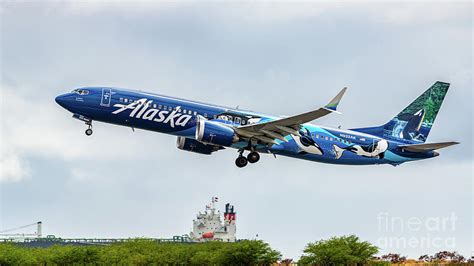
Airport administrators issued updates urging passengers to verify flight status through official channels. To reduce congestion, non-travelers were asked to stay away from terminals. Cleanup efforts — both physical and procedural — were visible across the airport.
Airlines also took steps to regain traveler trust. Alaska Airlines offered bonus mileage points to passengers affected by the delays. Hawaiian Airlines launched a post-event FAQ hub to address common concerns, while Delta enhanced its mobile app’s alert system to better handle future emergency situations.
Industry analysts note that while the short-term impact on tourism will be measurable, Hawaii’s allure as a global destination remains intact. Provided there are no aftershocks or related seismic events, the state is expected to recover swiftly. Most flights are anticipated to normalize within 72 hours, barring any unforeseen operational hurdles.
Conclusion: A Disruption with Lasting Lessons
The tsunami alert that swept through Honolulu International Airport disrupted thousands of lives and complicated the operations of some of the most prominent airlines serving Hawaii. Alaska Airlines, Delta, and Hawaiian Airlines bore the brunt of the disruption, contending with grounded fleets, stranded passengers, and scheduling nightmares.
However, the event also showcased the resilience and preparedness of aviation systems when faced with natural threats. Honolulu Airport, in cooperation with airlines and government agencies, managed to navigate a challenging situation with relative efficiency. Though passengers were undoubtedly inconvenienced, the absence of injuries or accidents is a testament to the efficacy of preemptive safety measures.
As normalcy returns, the industry will no doubt revisit protocols and systems in place for such scenarios. For travelers, the incident serves as a cautionary tale about the unpredictability of nature — and the importance of remaining flexible when journeying to paradise.