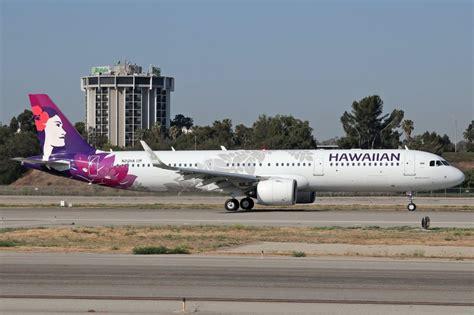
Hawaiian Airlines is preparing for a notable operational shift on one of its key mainland connections. The airline will permanently remove Airbus A321neo service from the Honolulu–Oakland route, replacing the narrowbody aircraft with larger Airbus A330-200 widebody jets as part of the ongoing integration between Hawaiian Airlines and Alaska Air Group. The change signals a strategic adjustment in fleet utilization and capacity deployment across the busy Hawaii–California travel corridor.
The transition will occur gradually throughout 2026 rather than in a single operational switch. Aviation schedule data indicates that Airbus A321neo flights will continue operating between Daniel K. Inouye International Airport (HNL) and Oakland International Airport (OAK) through April 2026, after which the route will begin transitioning to widebody aircraft. By mid-summer, the transformation will be complete, marking the end of A321neo operations on this specific route.
This decision reflects broader industry trends affecting airlines serving Hawaii, where passenger demand continues to rebound strongly while airline groups refine network strategies to maximize efficiency and passenger capacity.
Gradual Transition to Airbus A330-200 Operations
The operational change will begin unfolding in May and June 2026, when Alaska Air Group introduces Airbus A330-200 flights alongside existing A321neo operations on the Honolulu–Oakland corridor. This temporary mixed-fleet period allows airlines to maintain schedule continuity while progressively increasing seat capacity.
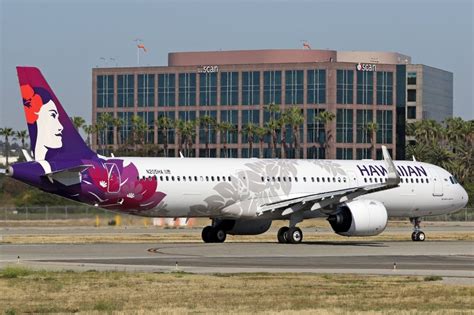
During this transition stage, travelers may encounter either aircraft type depending on the flight schedule. However, by July 2026, the conversion will be fully implemented, with all daily flights between Honolulu and Oakland scheduled to operate exclusively with widebody A330-200 aircraft.
Despite the aircraft change, flight frequency will remain largely consistent, preserving daily service in both directions. Maintaining schedule stability ensures that passengers traveling between Hawaii and Northern California experience minimal disruption while benefiting from larger aircraft and expanded cabin offerings.
The decision to replace the A321neo with the A330-200 is not simply a fleet swap; it represents a long-term capacity strategy shaped by demand growth, operational efficiency, and the evolving integration between Hawaiian Airlines and Alaska Airlines.
Capacity Increase Reshapes the Honolulu–Oakland Corridor
One of the most significant impacts of the aircraft change is the dramatic increase in passenger capacity available on the route. The Airbus A321neo, configured by Hawaiian Airlines for transpacific flights, typically seats around 180 to 190 passengers in a two-class layout.
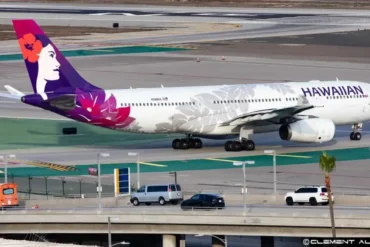
In contrast, the Airbus A330-200 accommodates approximately 260 to 280 passengers depending on cabin configuration, representing a substantial increase in available seating.
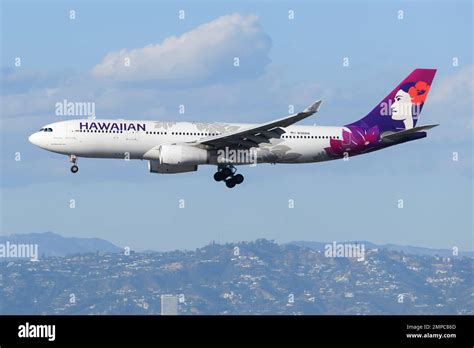
This difference translates to roughly a 45–50% increase in capacity per flight. Over the course of a month, particularly during peak travel seasons, the change could add thousands of additional seats between Honolulu and the San Francisco Bay Area.
The Honolulu–Oakland route has long served as an important gateway between Hawaii and Northern California. It attracts several major categories of travelers:
- Leisure tourists visiting Hawaii
- Residents of Hawaii traveling to the mainland
- VFR travelers (visiting friends and relatives) between the islands and California
During summer months, demand on this route typically surges as families and vacation travelers head to Hawaii. Deploying a larger aircraft allows the airline to capture more passenger traffic while maintaining efficient flight frequencies.
Passenger Experience Improves With Widebody Comfort
Beyond simple seat numbers, the transition also enhances the onboard travel experience for passengers flying the five-hour journey across the Pacific.
Widebody aircraft such as the Airbus A330-200 offer several advantages over narrowbody alternatives. The cabin is wider, allowing for more spacious seating arrangements and additional premium cabin options. Hawaiian’s A330 aircraft also include lie-flat first-class seating, extra-legroom economy seats, and improved inflight entertainment systems.
For passengers traveling long distances, these differences significantly improve overall comfort. The wider fuselage also provides larger aisles, more overhead storage, and a quieter cabin environment, all factors that enhance long-haul travel.
Another critical advantage lies beneath the cabin floor. The A330-200 provides significantly greater belly cargo capacity compared with the A321neo. For Hawaii routes, cargo transport is particularly important because air freight helps supply the islands with essential goods, retail products, and time-sensitive shipments.
By switching to a widebody aircraft, the airline can carry both more passengers and more cargo on each flight, improving route profitability while supporting Hawaii’s supply chains.
Alaska–Hawaiian Integration Drives Fleet Optimization
The fleet transition also highlights the growing coordination between Hawaiian Airlines and Alaska Air Group, which has assumed operational oversight of Hawaiian’s route planning following their corporate integration.
As the two airlines align their networks, aircraft deployment decisions are increasingly evaluated across the combined fleet. The goal is to place each aircraft type on routes where it delivers the strongest operational and economic performance.
Historically, Hawaiian Airlines introduced the Airbus A321neo to open thinner West Coast routes that could not sustain widebody aircraft. The smaller jet allowed the airline to connect Hawaii with secondary cities such as Oakland while maintaining lower operating costs per flight.
However, the aviation landscape has evolved. Travel demand to Hawaii has rebounded strongly after pandemic disruptions, and consolidation within the airline industry has encouraged capacity concentration on high-demand routes.
In this context, the Honolulu–Oakland corridor has proven capable of supporting larger aircraft. Deploying the A330-200 enables airlines to maximize revenue potential while maintaining competitive service levels.
Strategic Redeployment of the Airbus A321neo Fleet
Removing the A321neo from the Honolulu–Oakland route does not diminish the aircraft’s importance within Hawaiian’s broader network. Instead, it opens opportunities to redeploy the narrowbody jets to routes where their efficiency provides greater strategic value.
The A321neo remains ideally suited for:
- Lower-demand mainland routes
- Emerging markets connecting Hawaii to smaller West Coast cities
- Increasing flight frequency where passenger demand does not justify widebody aircraft
This flexibility allows the airline group to balance frequency, capacity, and operational efficiency across its growing network.
Ultimately, the transition of the Honolulu–Oakland route to Airbus A330-200 operations reflects a broader shift in airline strategy. As demand patterns evolve and airline partnerships deepen, fleets are continually optimized to deliver the right aircraft on the right routes.
For passengers traveling between Hawaii and Northern California, the change promises more available seats, improved onboard comfort, and greater cargo capacity—all while maintaining the vital air bridge connecting the islands with one of the United States’ most dynamic regions.