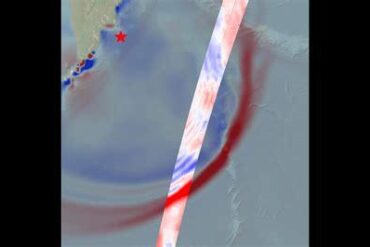
In an unprecedented move prioritizing passenger safety, Alaska Airlines and Hawaiian Airlines have announced the temporary suspension of all flights to Hawaii following a powerful 8.8-magnitude earthquake off Russia’s eastern coast. The quake, which struck late Tuesday night local time, triggered a tsunami warning from the National Weather Service (NWS), with potential waves threatening Hawaii, Japan, Alaska, and parts of the U.S. West Coast.
A High-Stakes Response to a Looming Threat
The earthquake, one of the most powerful to strike the region in recent history, immediately prompted concerns of a devastating tsunami. According to the NWS, waves are expected to reach Hawaiian shores by 10 p.m. PDT, leaving authorities and airlines with a narrow window to act. Both Alaska Airlines and Hawaiian Airlines quickly ceased operations to the islands, prioritizing the safety of passengers, crews, and ground staff.
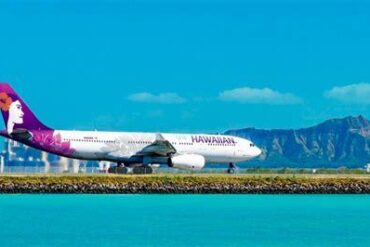
In an official statement, Alaska Airlines emphasized that the move was a precautionary measure designed to eliminate any risk of exposing aircraft and travelers to hazardous conditions. Hawaiian Airlines, the state’s flagship carrier, mirrored the decision, effectively halting all inbound and outbound services to the islands.
Widespread Flight Disruptions and Redirections
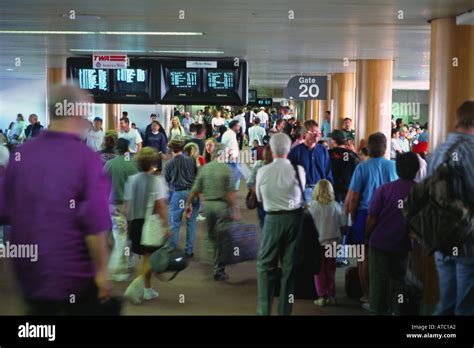
The decision has created a massive ripple effect across U.S. airports, particularly on the West Coast. Flights en route to Hawaii were rerouted to mainland airports such as Los Angeles, Seattle, and San Francisco, leaving thousands of travelers stranded or facing unexpected layovers.
Airline officials have warned passengers to expect delays, cancellations, and rebookings over the coming days as operations remain fluid. Alaska Airlines noted that passengers should remain in close contact with their airlines and monitor flight status updates through official channels. Hawaiian Airlines echoed this sentiment, urging travelers to use their mobile apps and customer support lines for real-time updates.
Hawaii on High Alert: Evacuations and Preparedness
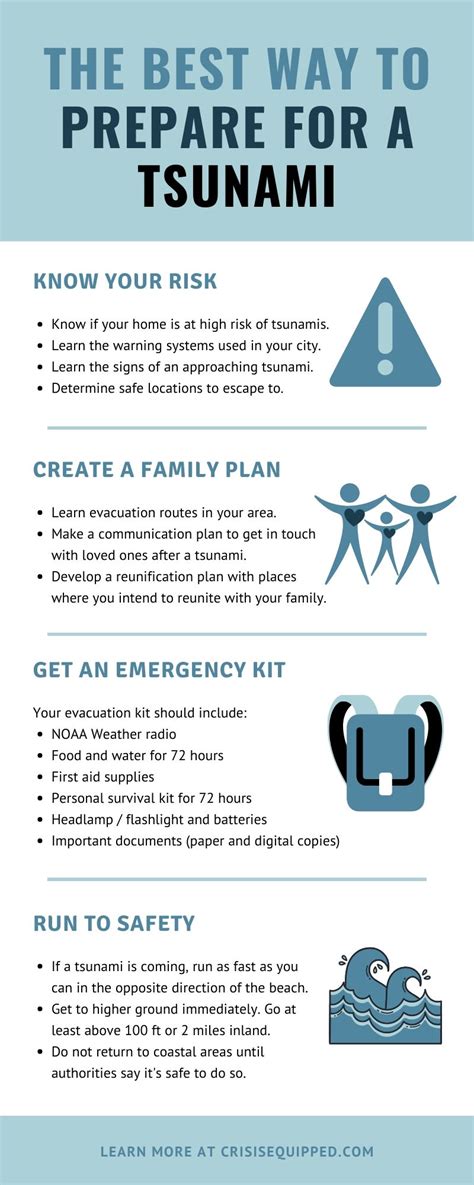
Local Hawaiian authorities have issued urgent advisories, calling for immediate evacuations of low-lying coastal areas and urging residents and tourists alike to move to higher ground. The state’s emergency management agency warned that while the magnitude and potential impact of the tsunami are still being assessed, coastal zones remain at extreme risk.
The Hawaiian Islands’ infrastructure, already strained by recent storms, is now preparing for a new crisis. From Honolulu’s bustling Waikiki district to smaller coastal communities, emergency sirens and public alerts have mobilized residents. Tourists were seen evacuating beachfront hotels as local officials coordinated safe relocations.
Beyond Hawaii: Tsunami Threat Across the Pacific
The earthquake’s aftermath is not confined to Hawaii. Tsunami advisories are also in effect for Japan, Alaska, and parts of the U.S. Pacific Coast, particularly in Western Washington and Oregon. Authorities across these regions are closely monitoring wave patterns and have initiated precautionary coastal evacuations where necessary.
Japan’s Meteorological Agency reported heightened tsunami risk for northern coastlines, while Alaska’s emergency services braced for possible wave surges along its outer shores. Officials in Washington and Oregon are urging residents to avoid beaches and waterfronts until the advisories are lifted.
Flexible Travel Policies for Affected Passengers
To minimize the impact on travelers, Alaska Airlines introduced a flexible travel policy, allowing passengers with tickets to Oahu, Maui, Kauai, and the Big Island to modify or cancel their plans without penalties. Hawaiian Airlines has adopted similar measures, offering waivers for rescheduling and refunds to travelers whose trips were disrupted.
“We understand the stress this causes our guests, and our priority is to ensure their safety and provide as much flexibility as possible,” an Alaska Airlines spokesperson said. Passengers are advised to contact their airlines promptly to explore rebooking options or secure refunds.
Global Media Attention and Humanitarian Preparedness
The unfolding events have drawn widespread international attention, with the massive quake and potential tsunami dominating headlines. Relief agencies, including the American Red Cross and local Hawaiian aid organizations, are on standby to assist with evacuations, shelter operations, and potential post-disaster recovery efforts.
This incident serves as a stark reminder of the unpredictable nature of seismic activity in the Pacific Ring of Fire and the critical importance of coordinated disaster preparedness. Experts warn that while modern detection systems provide advance notice, the sheer power of undersea earthquakes leaves little room for complacency.
The Road Ahead: Awaiting the All-Clear
As Hawaii and the broader Pacific region await further updates, authorities continue to emphasize caution. The NWS will provide ongoing assessments of wave activity and adjust warnings as necessary. Airlines have indicated that normal flight operations will only resume once the threat subsides and airport safety checks are completed.
For travelers, the immediate advice is clear: stay informed, heed local emergency instructions, and remain patient as airlines and emergency services work to navigate this complex crisis.
With the Pacific on edge and the situation developing by the hour, safety remains the top priority for airlines, authorities, and residents alike. As officials continue to monitor the unfolding threat, the world watches anxiously, hoping that Hawaii and neighboring regions are spared from the worst of the tsunami’s impact.