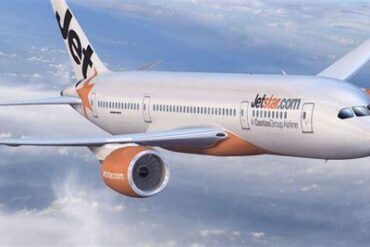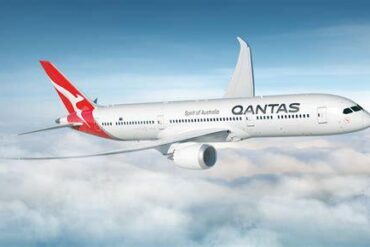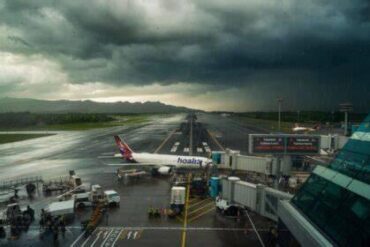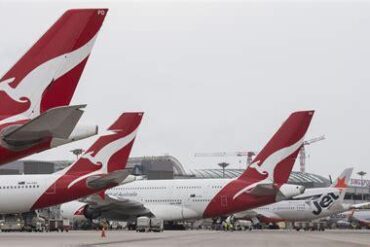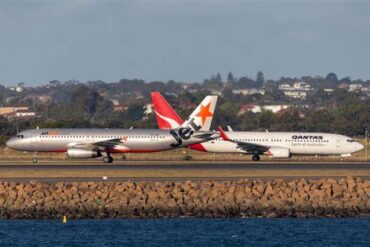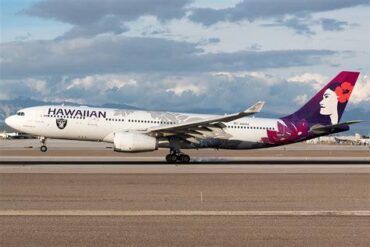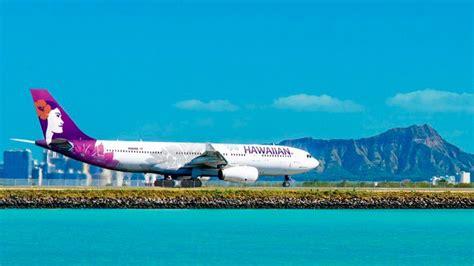
The imminent departure of Jetstar’s Sydney to Honolulu service in October 2025 marks a turning point for Australian travellers dreaming of a Hawaiian escape. With the closure of this budget-friendly route, attention has turned to the two full-service carriers left standing—Qantas and Hawaiian Airlines. Both airlines now serve as the main options for direct flights to Hawaii, but which one offers the best value in a post-Jetstar world?
For nearly two decades, Jetstar was the go-to for cost-conscious holidaymakers seeking sun, surf, and savings. Its absence creates a new dynamic in trans-Pacific travel, one where pricing, inflight experience, baggage policies, and scheduling take centre stage. We’ve done the deep dive to help travellers understand what’s on offer and determine where the true value lies.
Pricing and Inclusions: Hawaiian Airlines’ Simplicity vs Qantas’ Premium Touch
Let’s begin with the numbers. Hawaiian Airlines clocks in with a return fare of $1,120 AUD, which includes:
- One main meal, snack, and drinks, including alcohol
- A standard seat, positioned in the rear half of the aircraft
- 23kg checked baggage and 7kg carry-on
- USB charging for mobile devices
- Seatback entertainment system
However, blankets and pillows are not included. For an additional $15 AUD, travellers can purchase a set onboard. Factoring in that cost, the total fare becomes $1,135 AUD.
Meanwhile, Qantas prices the same return trip at $1,330 AUD, inclusive of:
- Full meal service and unlimited beverages
- Seatback entertainment with a more expansive library
- 30kg checked baggage and 7kg carry-on
- Laptop charging ports, a key point for digital nomads
- Complimentary blanket and pillow set
But here’s the rub—seat selection isn’t included. At an additional $90 AUD return, the total lands at $1,420 AUD. For Qantas Frequent Flyer members, seat selection is complimentary, and while joining costs $90, there are occasional promotions for free sign-up. Membership also offers access to Qantas Points, potentially tipping the scales in long-term value.
Inflight Experience and Comfort: Marginal Gains With Qantas
Both carriers operate Airbus A330s in a 2-4-2 seat configuration. Comfort specs are largely identical:
- Seat pitch: 31 inches (79 cm)
- Seat width: 17–18 inches
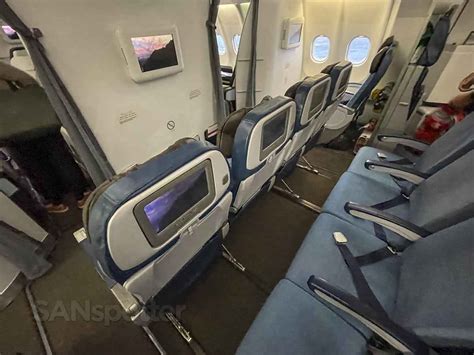
Qantas edges slightly ahead on the comfort front due to the inclusion of a pillow and blanket, which makes a notable difference on overnight legs. For travellers prioritising rest, this added comfort—especially without needing to pay extra—is a meaningful value-add.
In terms of tech amenities, Qantas leads again. With laptop power outlets at every seat, business travellers and digital nomads can maintain productivity. Hawaiian offers USB charging only, ideal for phones and tablets but insufficient for extended work sessions on laptops.
Flight Timing: Similar Schedules, Subtle Differences
Flight times between the two airlines are closely aligned:
- Qantas departs Sydney at 8:10 pm, arriving in Honolulu at 9:00 am
- Hawaiian Airlines departs Sydney at 9:40 pm, arriving at 10:30 am
On the return leg:
- Qantas leaves Honolulu at 10:45 am, touching down in Sydney at 6:20 pm the following day
- Hawaiian departs Honolulu at 12:05 pm, arriving at 7:45 pm the next day
The differences here are modest. Qantas departs and arrives a bit earlier, which might be a small convenience for those aiming to settle in quickly or beat the rush at immigration.
Safety and Aircraft Quality: Evenly Matched
Safety-conscious travellers will be pleased to know that both Qantas and Hawaiian Airlines have flawless jet-era fatality records. Aircraft type—the Airbus A330—is consistent across both fleets. These widebody jets are well-suited for long-haul comfort, and their performance records are reassuring.
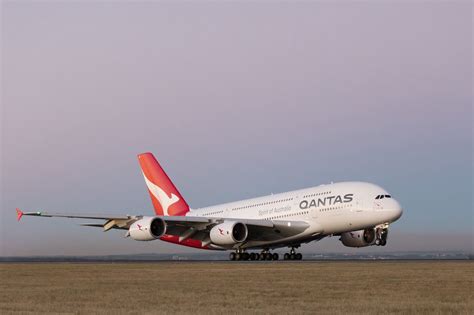
Each airline also offers a modern, clean cabin with personal seatback screens and comfortable ergonomics. It’s a draw here, with neither carrier compromising on aircraft quality or maintenance standards.
The Value Equation: How Extra Costs Tip the Scales
At first glance, Hawaiian Airlines offers a $210 savings over Qantas. But this margin is narrow and can quickly erode depending on your specific travel needs. Let’s break it down:
- If you need more than 23kg of checked baggage, Hawaiian charges $200 AUD ex-Sydney and $200 USD ex-Honolulu. Just one extra bag wipes out any savings.
- If you’re not bringing a blanket and pillow, Hawaiian charges $15 AUD per set. Qantas includes this.
- Hawaiian doesn’t offer power for laptops, which might be a dealbreaker for working travellers.
Qantas’ included extras make up for the price difference for many. If you value baggage flexibility, inflight comfort, and the ability to work, Qantas becomes the smarter spend.
Frequent Flyer and Loyalty Programs: Long-Term Gains
This is where Qantas has a strategic advantage. Membership in the Qantas Frequent Flyer program opens up access to seat selection, points accumulation, and tier benefits that can lead to lounge access, upgrades, and priority boarding over time.
Hawaiian Airlines does offer a loyalty scheme—HawaiianMiles—but it lacks the same integration with Australian partners and isn’t as relevant unless you travel to the U.S. often.
If you’re planning multiple international trips in the coming years or already fly Qantas domestically, joining their program makes strategic sense.
Who Should Fly Qantas?
Travellers who benefit most from Qantas include:
- Qantas Frequent Flyers looking to earn or redeem points
- Those needing more baggage flexibility
- People who value blankets, pillows, and full-service comfort
- Professionals who need laptop charging for productivity
Even with a higher price point, the added inclusions deliver proportional value.
Who Should Fly Hawaiian Airlines?
Hawaiian Airlines is best suited for:
- Budget-conscious families who can split baggage across members
- Solo travellers carrying light luggage
- Holidaymakers who don’t need added frills like blankets or laptop charging
As long as you stay within the fare’s inclusions, Hawaiian delivers solid value for a lower price.
The Verdict: A New Era Begins on the Australia–Hawaii Route
With Jetstar bowing out, travellers lose the low-cost leader, but gain a chance to fly full-service without significant compromises. The competition between Qantas and Hawaiian Airlines offers two distinct value propositions, each suited to different travel styles.
Qantas delivers premium touches and loyalty perks, making it a compelling choice for those wanting the most seamless and comfortable experience. Hawaiian Airlines brings affordability and friendly service, perfect for holidaymakers who can travel light and adapt.
The best approach? Monitor sales, weigh up what matters to you—comfort, cost, flexibility—and book accordingly. Both airlines run frequent promotions, and with the right timing, you may secure a premium seat at a budget price.
In the end, the route to paradise is wide open. Travellers just need to choose the wings that best suit their journey.