On July 29, 2025, a massive 8.8 magnitude earthquake struck off the Kamchatka Peninsula in Russia, sending shockwaves across the Pacific and prompting immediate tsunami warnings for coastal regions including Hawaii, Alaska, and the US West Coast. As emergency alerts rippled across time zones, major airlines including American, Delta, Air Canada, Hawaiian, Southwest, and others suspended dozens of flights, disrupting the plans of thousands of travelers.
Tsunami Warnings Prompt Industry-Wide Grounding of Flights
The earthquake occurred at a depth of 11 miles beneath the ocean floor, unleashing a tsunami threat significant enough for agencies like Tsunami.gov and the Pacific Tsunami Warning Center to issue widespread alerts. Airlines responded swiftly, prioritizing passenger safety by canceling, delaying, or diverting flights to and from vulnerable regions. The result was an unprecedented ripple of disruption that hit both Hawaiian airports and key West Coast hubs such as Los Angeles International (LAX), San Francisco International (SFO), Seattle-Tacoma International (SEA), and San Diego International (SAN).
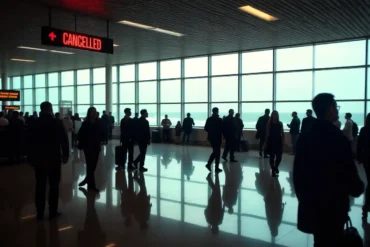
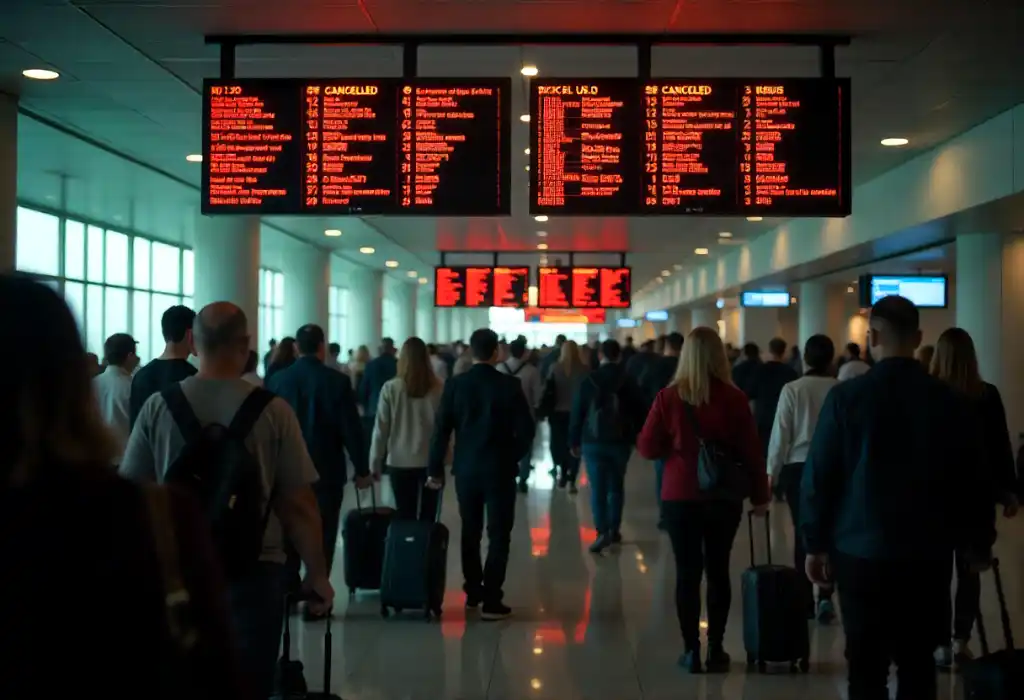
Flights en route to Hawaii were turned back mid-air. Others, just minutes from departure, were grounded. The fluid situation caught many travelers by surprise, flooding airport terminals with confusion, long waits, and scrambled itineraries.
Major Airlines Respond to Crisis with Widespread Suspensions
By mid-morning on July 30, the effect on flight schedules was staggering. Delta Air Lines, American Airlines, Alaska Airlines, Air Canada, Hawaiian Airlines, and Jetstar all reported varying degrees of operational shutdowns. Delta alone canceled 13% of its operations at Daniel K. Inouye International Airport in Honolulu. Alaska Airlines and American Airlines canceled two flights each, while Air Canada reported a dramatic 50% cancellation rate, the highest among the major carriers.
United Airlines and Southwest Airlines, while less affected in terms of cancellations, experienced notable delays. Southwest recorded a minor 1% delay rate, yet the scale of the event meant even these minor figures translated into hundreds of stranded passengers.
Jetstar, citing passenger safety and regulatory compliance, suspended all flights for the day.
Honolulu Airport Becomes Epicenter of Travel Disruption
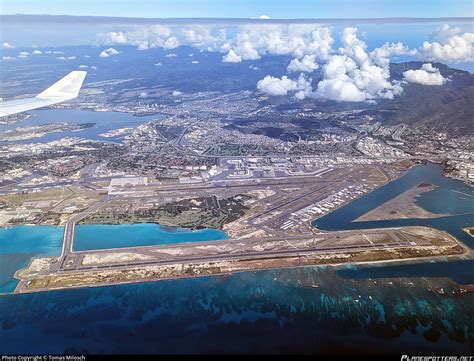
Daniel K. Inouye International Airport (HNL) in Honolulu is bearing the brunt of the chaos. Though not officially closed, the airport is functioning at reduced capacity. Airlines are struggling to maintain operations amid tsunami alerts, unpredictable weather changes, and a persistent threat of further seismic activity.
As of July 30, HNL reported 13 flight delays and 10 cancellations, with more expected as the situation evolves. Local authorities have issued advisories urging travelers to avoid non-essential travel, check with airlines frequently, and prepare for extended wait times at terminals.
Breakdown of Airline-Specific Disruptions at HNL
- Delta Air Lines: 3 flights canceled (13% of operations), 1 delayed (4%).
- Alaska Airlines: 2 canceled (25%), no delays.
- American Airlines: 2 canceled (14%), no delays.
- Air Canada: 50% of flights canceled, 1 delayed.
- WestJet: 1 canceled (50%), no delays.
- Hawaiian Airlines: No cancellations, 8 delays (4%).
- United Airlines: 1 delayed (3%), no cancellations.
- Jetstar: All services suspended.
- Southwest Airlines: 1 delay (1%), no cancellations.
These figures reflect a broader collapse in inter-island and trans-Pacific flight reliability, compounding issues for vacationers, local residents, and business travelers alike.
West Coast Airports See Backflow of Hawaii-Bound Flights
Airports across the US West Coast became temporary shelters for flights rerouted due to the tsunami warning. Several flights from San Diego, Vancouver, and San Francisco that were en route to Hawaii were instructed to return mid-flight or divert to safer airports inland. For passengers, this meant hours in the air only to land back at their departure gates.
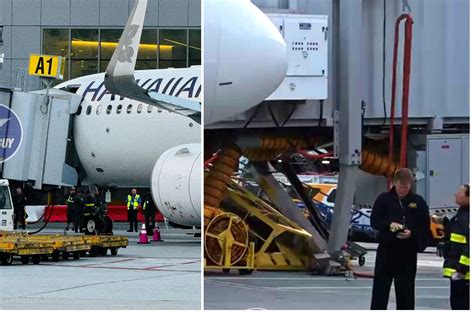
The operational fallout has been severe. Airline ground crews scrambled to accommodate unscheduled arrivals, while passenger services buckled under the pressure of mass rebookings and customer service calls. With Hawaii being a major summer destination, the number of affected passengers is likely in the tens of thousands.
Hawaii Tourism Industry Reels From Latest Blow
Hawaii’s already fragile tourism industry, which had been slowly recovering from the pandemic’s economic effects, now faces a new challenge. Tour operators, hotel chains, rental car agencies, and local businesses around Waikiki, Kona, and Maui are witnessing immediate declines in foot traffic and bookings.
Several hotels near Honolulu’s airport have implemented emergency stay policies, offering guests free cancellations or extended stays at discounted rates. But while these efforts provide relief in the short term, the economic blowback is likely to linger.
Industry experts warn that Hawaii’s reputation as a safe, serene travel destination may take a hit. Images of grounded planes, tsunami alerts, and canceled honeymoons could discourage future bookings, especially among international travelers seeking assurance of stability.
Airline Policies Shift to Accommodate Stranded Passengers
Recognizing the scale of the disruption, multiple airlines have rolled out flexible travel waivers. Hawaiian Airlines and Alaska Airlines have publicly announced fee-free rebooking, change policies, and full refunds for passengers whose flights were impacted by the tsunami warnings.
These emergency policies allow affected travelers to postpone or re-route their travel without penalty — a gesture that both helps customers and alleviates pressure on airline operations.
Meanwhile, real-time updates are being issued via airline apps, websites, and customer service channels. Travelers are advised to rely only on official sources, including Tsunami.gov, for updates on the natural hazard and its implications.
Uncertainty Persists As Pacific Remains On Alert
As of Wednesday evening, the tsunami warnings remain in effect, with experts tracking the potential for delayed surges. While initial waves may not have caused catastrophic damage, the continued instability in oceanic pressure systems and the seismic region off Russia’s coast leaves the possibility of aftershocks and secondary tsunamis on the table.
Flight operations will continue to be affected until aviation authorities and tsunami monitoring centers confirm an all-clear. Some aircraft may resume operations on Thursday, depending on updated assessments, but widespread normalization is unlikely for at least 48–72 hours.
Lessons From the Crisis: Fragility of Global Air Travel
This event highlights just how fragile the global air travel network remains in the face of natural disasters. A single seismic event thousands of miles from major cities can bring multinational carriers to a halt, stranding passengers and stressing logistics chains. With climate change and increased seismic activity, events like these could become more frequent.
It’s a wake-up call for both airlines and travelers. Preparedness protocols, emergency alert systems, and insurance protections must evolve to meet the unpredictable nature of future disruptions.
For now, the airspace above the Pacific remains in flux, and travelers are advised to maintain flexibility, patience, and vigilance as the crisis unfolds.