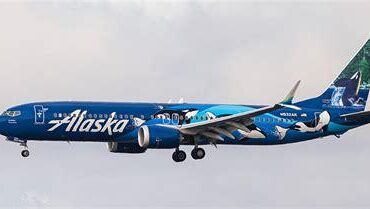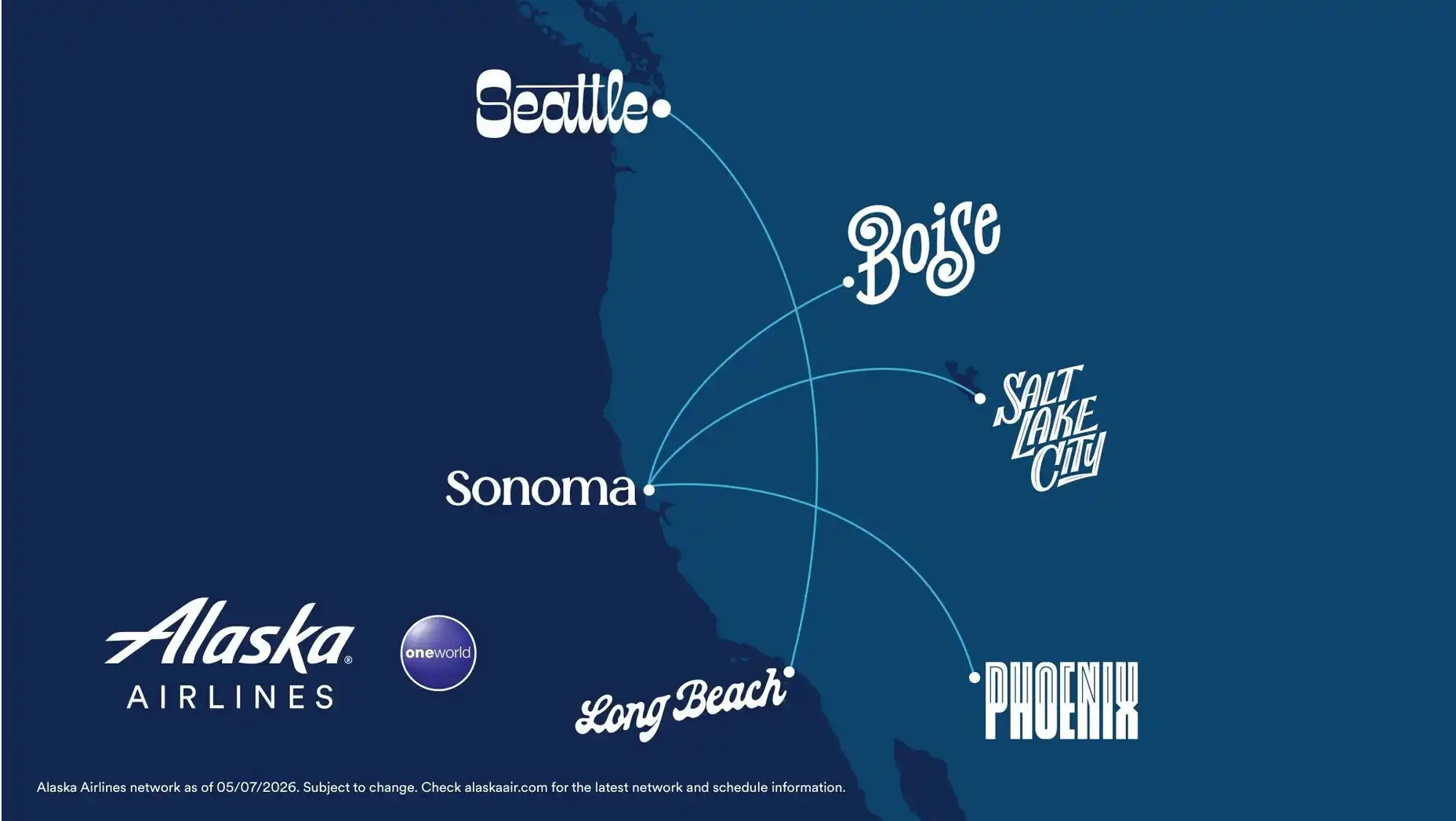
Alaska Airlines is accelerating its network expansion with four newly announced routes that deepen the carrier’s footprint across the western United States. The latest additions include the long-awaited return of nonstop service between Seattle and Long Beach alongside three new regional connections from Santa Rosa, California. The move highlights Alaska’s aggressive post-Hawaiian Airlines growth strategy as it strengthens competitive positions in key leisure and business markets.
The Seattle-based airline has spent the past year transforming its network following the integration of Hawaiian Airlines operations under the Alaska Airlines banner. That expansion alone significantly boosted Alaska’s operational scale, increasing flight volumes by roughly a quarter year-over-year. Even in the enormous US aviation market, the carrier’s share has continued climbing, underscoring Alaska’s ambitions to become an even stronger national competitor.
The newest routes reveal a clear strategy: dominate underserved West Coast markets while selectively challenging rivals in high-demand corridors.
Alaska Airlines Returns To Long Beach After More Than A Decade
Alaska Airlines will officially restart nonstop flights between Seattle-Tacoma International Airport (SEA) and Long Beach Airport (LGB) on September 8. The route marks Alaska’s return to Long Beach for the first time since 2015, excluding Hawaii-related operations.
The airline plans to operate the route twice daily using the Boeing 737-900ER, one of the largest narrowbody aircraft in Alaska’s fleet with 178 seats. The decision signals confidence in the market’s long-term demand despite the competitive environment developing around Southern California air service.
The schedule has been designed to appeal to both business and leisure travelers, with morning and evening departures offering flexibility for same-day travel.
Seattle-to-Long Beach frequencies will include:
- Morning departure from Seattle at 11:38 AM arriving Long Beach at 2:36 PM
- Evening departure from Seattle at 6:16 PM arriving Long Beach at 8:59 PM
- Morning return from Long Beach at 7:00 AM arriving Seattle at 9:43 AM
- Afternoon return from Long Beach at 3:34 PM arriving Seattle at 6:17 PM
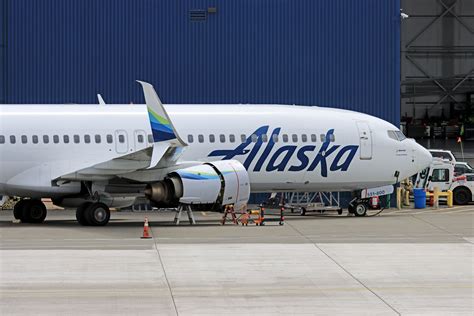
The relaunch also reignites a competitive battle that previously defined the route. Southwest Airlines is entering the market slightly earlier, beginning its own Seattle–Long Beach nonstop flights on August 4. However, Southwest will initially operate fewer frequencies, potentially giving Alaska an advantage in attracting higher-yield passengers seeking schedule convenience.
Frequency matters enormously in aviation economics. Travelers — especially corporate customers — often choose airlines based on departure flexibility rather than fare alone. Alaska’s double-daily structure immediately positions it as the more schedule-friendly option.
Why Seattle–Long Beach Still Matters In 2026
At first glance, launching three daily flights between Seattle and Long Beach across Alaska and Southwest may appear ambitious. Official Department of Transportation data showed only 19,681 indirect passengers traveled between the two cities last year. Yet that number dramatically understates actual demand.
The issue is airport leakage. Many travelers living near Long Beach simply drove to larger Los Angeles-area airports such as LAX, Burbank, or Orange County to access nonstop Seattle flights. Historical data paints a much clearer picture of the route’s true strength.
Back in 2012, when nonstop service was fully established, Seattle–Long Beach generated an impressive 366,688 local passengers. During peak years, airlines collectively operated as many as seven daily flights on the route. Both Alaska Airlines and JetBlue competed heavily, achieving strong seat occupancy levels despite flooding the market with capacity.
According to DOT figures, flights on the route once filled roughly 89% of seats, an exceptionally high performance for a domestic US corridor. The challenge was not demand — it was profitability. Airlines engaged in aggressive fare competition that compressed yields and made the economics increasingly difficult.
Eventually, Alaska exited the market in 2015, while JetBlue later withdrew in 2020 during the pandemic reshaping of domestic aviation networks.
Now, conditions look different.
Long Beach Airport remains highly attractive because of its smaller size, easier passenger experience, and proximity to affluent Southern California communities. For Alaska, restoring the route strengthens connectivity from its Seattle hub while recapturing travelers who prefer avoiding the congestion of Los Angeles International Airport.
Three New Santa Rosa Routes Strengthen Regional Strategy
Alongside the Long Beach announcement, Alaska Airlines confirmed three additional routes launching on November 1 from Charles M. Schulz–Sonoma County Airport in Santa Rosa.
The new destinations include:
- Boise, Idaho
- Phoenix Sky Harbor, Arizona
- Salt Lake City, Utah
All three routes will primarily operate using Embraer E175 regional jets flown by Horizon Air or SkyWest Airlines under the Alaska brand.
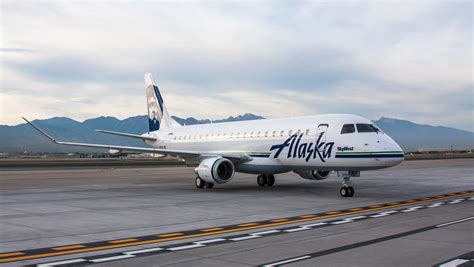
The expansion reinforces Alaska’s strategy of building secondary-city connectivity across the western US. Santa Rosa has become an increasingly important regional market thanks to growing wine tourism, affluent residential communities, and demand for alternatives to San Francisco Bay Area airports.
Among the three new routes, Phoenix represents the most competitive environment. American Eagle already operates twice-daily service between Santa Rosa and Phoenix Sky Harbor. Still, the market’s relatively weak load factors suggest Alaska sees room for improvement through schedule optimization and loyalty program strength.
DOT data from 2025 showed American Eagle carried more than 83,000 passengers on the route but filled only 71% of available seats. Alaska may believe its brand recognition and Mileage Plan loyalty ecosystem can stimulate stronger demand.
Boise And Salt Lake City Present Bigger Risks
The Boise and Salt Lake City markets are more experimental.
Neither route currently has direct competition, but recent history raises questions about long-term viability. Avelo Airlines previously attempted both markets using Boeing 737 aircraft with low fares and limited frequencies. The results were mixed at best.
Salt Lake City service carried just over 9,100 passengers while filling only 58% of seats. Boise performed slightly better with around 20,500 passengers and a 66% load factor.
Those figures would normally discourage expansion. However, Alaska appears to be betting that higher frequencies using smaller Embraer E175 aircraft will create a more sustainable operating model.
The E175 is widely regarded as one of the most efficient regional jets in North America for thinner routes. Its lower seating capacity allows airlines to maintain frequency without overwhelming local demand. That flexibility often makes previously unsuccessful markets economically workable.
There is also evidence that low fares previously stimulated entirely new demand rather than simply redistributing existing passengers. Before nonstop flights existed, indirect travel volumes between Santa Rosa and both Boise and Salt Lake City were extremely small.
Alaska’s management likely believes consistent service and stronger regional connectivity can gradually mature these markets over time.
Alaska Airlines Continues Aggressive Western Expansion
The latest route additions reflect Alaska Airlines’ broader transformation into a larger and more diversified network carrier. The integration of Hawaiian Airlines has expanded fleet resources, increased operational scale, and strengthened Alaska’s competitive relevance across the Pacific and western United States.
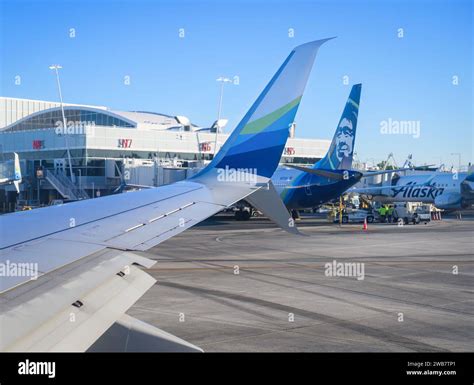
While larger rivals continue focusing heavily on megahubs and international expansion, Alaska is sharpening its dominance in medium-sized western markets that remain underserved by legacy carriers. That strategy has historically worked well for the airline, particularly in cities where passengers value convenience, loyalty benefits, and nonstop connectivity over massive global networks.
The return to Long Beach may ultimately become the most closely watched development among these new routes. The corridor once proved capable of sustaining enormous passenger demand, and Alaska clearly believes the market is ready for a second chapter.
If passenger response matches historical trends, Seattle–Long Beach could quickly reemerge as one of the West Coast’s most strategically important niche routes.