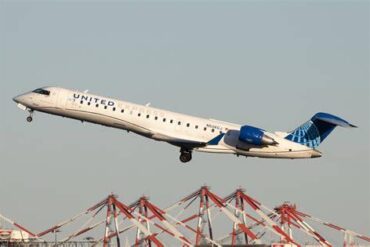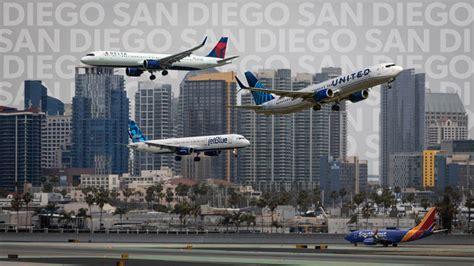
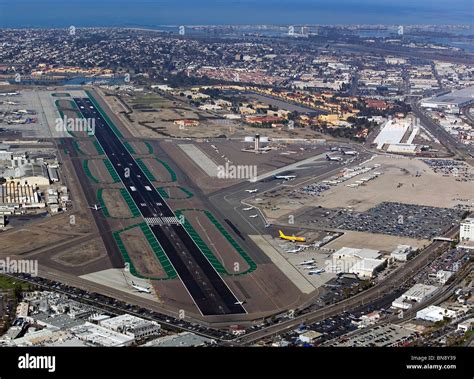
San Diego International Airport (SAN) stands as a critical gateway for transcontinental air travel on the West Coast. Located a mere three miles from downtown, its urban proximity and single-runway operation have not limited its reach. Instead, SAN maintains a vibrant schedule of nonstop connections across the United States, anchored by strategic partnerships with major domestic carriers. As analyzed through aviation data provider Cirium, May’s transcontinental route frequency and aircraft utilization shine a light on how key airlines leverage this coastal hub.
Delta Air Lines Dominates: San Diego to New York-JFK
The most active transcontinental route is Delta Air Lines’ San Diego to New York-JFK service. With over 20 weekly flights, Delta’s dominance in this corridor reflects its strategic investment in high-frequency, high-demand markets. Using the Airbus A321neo, Delta offers an average of 2.87 daily flights, amounting to 3,898 seats weekly and an impressive 42,232,636 available seat miles (ASMs). This aircraft, known for its fuel efficiency and passenger comfort, ensures operational consistency across the 2,446-mile route.
Delta’s configuration favors capacity, deploying its denser 194-seat version, a choice that balances cost per seat with schedule frequency. The carrier’s Delta Sky Club lounge, located post-security, adds a premium edge, especially for transcontinental business travelers heading toward the financial and media heart of the East Coast.
JetBlue’s Dual East Coast Strategy: Boston and JFK
JetBlue Airways has carved a niche in premium leisure and business travel, especially on East Coast routes. It operates two significant transcontinental routes from San Diego—to Boston Logan International Airport (BOS) and John F. Kennedy International Airport (JFK).
The Boston route, JetBlue’s longest in terms of distance from San Diego at 2,588 miles, sees 19 weekly flights using Airbus A321ceo aircraft. With 3,053 weekly seats and 34,994,936 ASMs, this service is a cornerstone in JetBlue’s long-haul portfolio. The JFK route, meanwhile, maintains a robust 14 weekly flights, offering 2,226 seats and 24,112,668 ASMs.
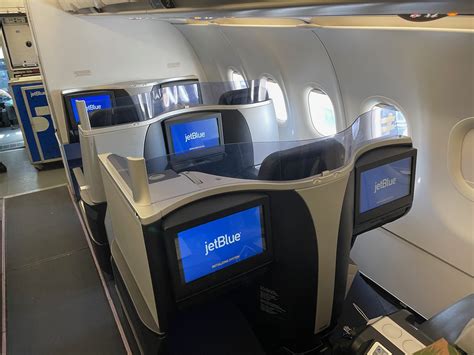
What sets JetBlue apart is its customer experience philosophy—even on domestic routes, amenities like free Wi-Fi, live TV, and its Mint premium cabin on select flights appeal to coastal travelers seeking value with comfort. These two routes place JetBlue as a formidable player despite having a smaller footprint than legacy carriers.
American Airlines: The Philadelphia Connection
With 13.32 weekly flights, American Airlines’ San Diego–Philadelphia service ranks fourth among SAN’s busiest transcontinental routes. Operated with the Airbus A321-200, each flight covers 2,369 miles and offers a total of 2,531 seats per week, translating to 26,556,490 ASMs. American is the only carrier serving this specific city pair, making its hold on the route strategically unchallenged.
American’s A321 features a more traditional dual-class layout, offering both first class and main cabin seating. As part of its broader East Coast hub-and-spoke strategy, Philadelphia connects travelers to American’s extensive transatlantic network, positioning this route as a key transcontinental link with international implications.
Southwest Airlines: Baltimore via the MAX 8
Southwest Airlines, San Diego’s largest carrier by market share (33.33%), brings its transcontinental might to the Baltimore/Washington International Thurgood Marshall Airport (BWI) route. With 12.19 weekly flights using the Boeing 737 MAX 8, Southwest delivers a substantial 2,133 seats weekly across the 2,295-mile corridor.
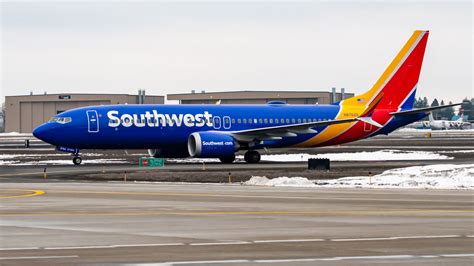
While Southwest operates a single-class configuration, its edge lies in frequency, reliability, and an expansive point-to-point network. The San Diego–Baltimore route supports business travelers bound for Washington D.C., while also linking vacationers to the East Coast’s Mid-Atlantic region. With 21,687,750 ASMs, Southwest’s contribution underscores how low-cost carriers influence long-haul domestic travel patterns.
Alaska Airlines: Strategic Push to JFK
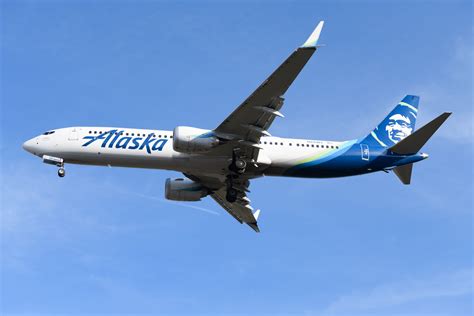
Alaska Airlines’ continued eastward expansion is evident in its New York-JFK route, now operating 10.16 times weekly with the Boeing 737 MAX 9. Alaska’s aircraft, configured for 178 passengers, flies the 2,446-mile stretch, generating 1808 weekly seats and 19,592,460 ASMs.
The Seattle-based carrier brings a unique value proposition to transcontinental travel by emphasizing customer service and reliability. From premium economy offerings to robust frequent flyer benefits, Alaska is positioning itself not just as a regional giant, but as a nationwide competitor. This route complements Alaska’s extensive West Coast network, seamlessly connecting travelers to hubs in Portland, Seattle, and Los Angeles.
United Airlines: A Modest but Strategic Link to Newark
Rounding out the top seven is United Airlines’ service to Newark Liberty International Airport (EWR), with 9.70 flights per week using the Boeing 737-900ER. Though United operates just over one flight daily on this route, the 179-seat aircraft still manages to produce 1,738 weekly seats and 18,665,225 ASMs.
The 2,425-mile route provides vital access to northern New Jersey and New York City, serving business-heavy itineraries. United’s modest footprint here belies its larger presence in other SAN connections, such as to Chicago O’Hare, Denver, Houston, and Washington Dulles. The Newark link remains a quiet workhorse, vital for eastbound transcontinental access, especially with Star Alliance interconnectivity.
SAN’s Transcontinental Impact: A Western Gateway in Motion
Cumulatively, these seven transcontinental routes out of San Diego in May will account for 437 flights and 187,842,165 ASMs, connecting Southern California to the financial, governmental, and cultural cores of the East Coast. Despite its airfield constraints, SAN has become a major player in long-haul domestic travel, and carriers continue to expand frequencies and modernize fleets to meet demand.
Beyond the numbers, these connections fuel economic integration, tourism, and business exchanges between the coasts. The diversity of airlines—from low-cost Southwest to premium-oriented Delta and JetBlue—offers consumers a wide array of products, schedules, and prices. As San Diego continues to grow in both population and economic clout, expect the transcontinental landscape at SAN to evolve further, especially as aircraft technology allows for longer ranges and better fuel efficiency.
In the skies above the Pacific Coast, a steady stream of jets bound for the East traces a map of opportunity, ambition, and mobility. San Diego’s transcontinental routes are not just flights—they are essential arteries of American life.