United Airlines’ decision to launch new regional routes from McClellan-Palomar Airport in Carlsbad, California has reignited longstanding legal disputes, bringing fresh momentum to community-led opposition against commercial expansion at the small Southern California airport.
United Airlines’ Regional Expansion Raises Stakes
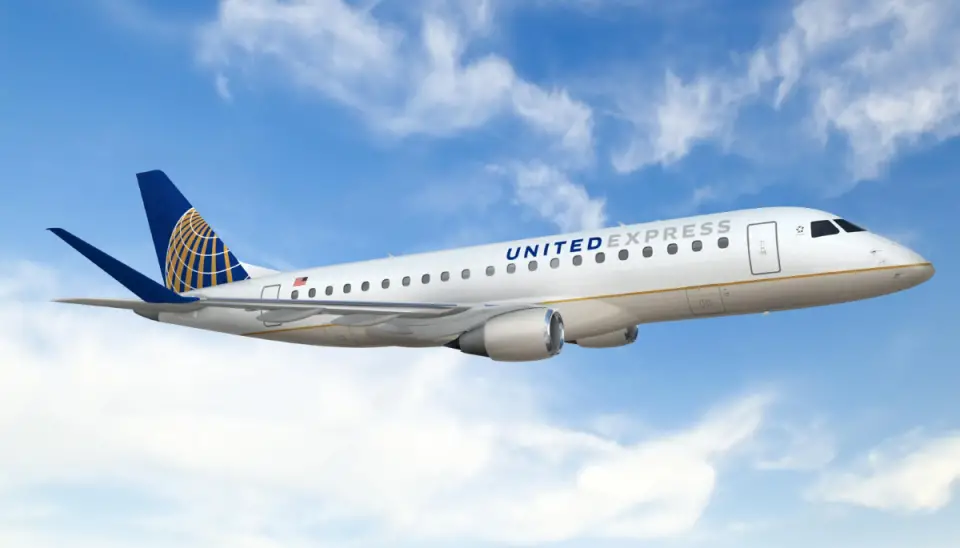
In a move designed to boost regional connectivity, United Airlines is set to begin twice-daily services to both San Francisco International Airport (SFO) and Denver International Airport (DEN) from McClellan-Palomar Airport starting March 31, 2026. These routes, operated by SkyWest Airlines under the United Express banner, will deploy the 76-seat Embraer E175, a jet typically used for short-haul domestic services.
The additions mark a significant increase in scheduled operations at the airport, historically limited to smaller aircraft flown by Part 135 operators like JSX and Advanced Air. Carlsbad, a coastal city in northern San Diego County, now finds itself at the intersection of regional air travel expansion and community resistance.

Lawsuit Alleges Lack of Environmental Oversight
The community group Citizens For A Friendly Airport has filed a new lawsuit against San Diego County, arguing that the county failed to perform the necessary environmental impact assessments before authorizing United Airlines’ new commercial services. The group contends that allowing the E175 to operate at McClellan-Palomar disregards the airport’s infrastructure constraints, particularly its runway length, noise thresholds, and aircraft size compatibility.
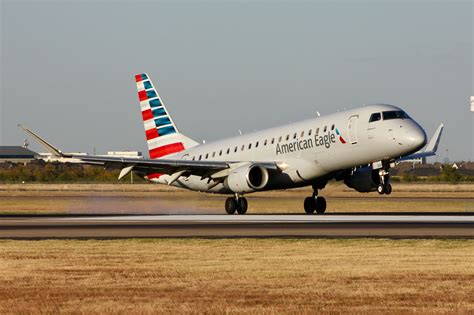
This legal move is the third in a series of lawsuits launched by the same group in recent years. Their previous legal action in December 2024 targeted the launch of American Eagle’s Phoenix service, also using the E175. The group raised similar objections, claiming that the aircraft’s approach speeds, wingspan, and noise levels made it incompatible with the airport’s design and community surroundings.
A Déjà Vu Moment: Echoes of American Airlines Dispute
The situation mirrors the controversy surrounding American Airlines’ introduction of E175 flights between McClellan-Palomar and Phoenix in early 2025. Operated by Envoy Air, the service began as a twice-daily connection and has since increased to as many as four daily flights during peak seasons. Despite a pending lawsuit, the service continues, signaling a possible precedent for United’s plans.
According to the ongoing litigation, the E175’s noise output exceeds that of previously permitted aircraft, such as the ERJ-135, ERJ-145, and turboprops. The lawsuit emphasizes that San Diego County’s airport master plan, while updated, does not explicitly account for the current scale or impact of these larger jet operations.
Connectivity vs. Compatibility: A Growing Divide
While residents and advocacy groups remain concerned about noise pollution, aircraft safety margins, and environmental integrity, others argue that the new routes will dramatically improve Carlsbad’s regional and international access. With Denver as a major domestic hub and San Francisco as a critical gateway to Asia-Pacific, passengers from North San Diego County could soon reach a wide array of global destinations with a single layover.
Yet, the unresolved legal challenges pose an ongoing risk to service stability. Should the court rule in favor of Citizens For A Friendly Airport, United could face delays or cancellation of the planned services. In the meantime, San Diego County must defend its airport governance practices amidst increasing scrutiny from both local stakeholders and national aviation entities.
A Legal Landscape in Flux
As of now, the City of Carlsbad has joined the lawsuit, signaling deeper political alignment with resident concerns. Meanwhile, United Airlines proceeds with its scheduled launch, anticipating that the legal process will not halt its operations.
This unfolding conflict exemplifies the broader tension between community advocacy and commercial aviation expansion, raising questions about how small regional airports can responsibly scale while preserving quality of life for nearby residents.
With United’s arrival imminent and the lawsuit progressing, McClellan-Palomar Airport once again finds itself in a high-stakes aviation debate—one that may well shape the future of regional air service policy in Southern California and beyond.