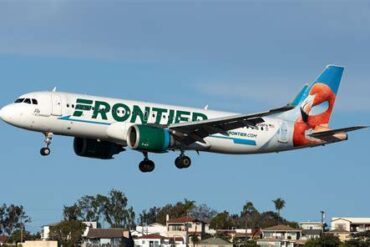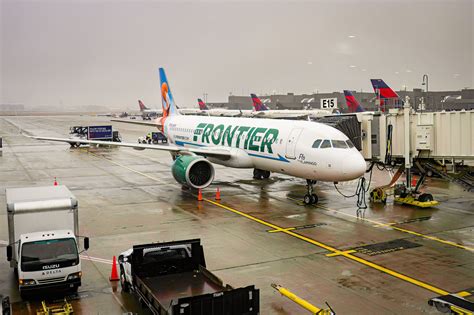
Frontier Airlines has taken a bold step forward in redefining the U.S. aviation landscape by launching an aggressive new phase of its ultra-low-cost expansion strategy. The airline’s latest wave of new routes from Hartsfield-Jackson Atlanta International Airport (ATL) and San Diego International Airport (SAN) marks a calculated strike at the heart of legacy carriers’ dominance—particularly Delta Air Lines, United Airlines, and American Airlines.
This move not only signals Frontier’s growing ambition but also intensifies the competitive dynamics within major airport hubs that have traditionally been monopolized by full-service giants. With fares starting as low as $49 from Atlanta and $59 from San Diego, Frontier is sending a clear message: ultra-affordable travel is no longer limited to underserved markets but is now penetrating core metropolitan routes.
Atlanta Becomes Ground Zero for Frontier’s Growth Playbook
The choice to focus heavily on Atlanta is not arbitrary. As the world’s busiest airport and Delta’s primary hub—handling over 80% of its flight operations—ATL is a symbol of the entrenched dominance of legacy carriers. By launching six new routes from Atlanta, Frontier is breaking into one of the most fortified territories in U.S. commercial aviation.
The new destinations include Columbus, Ft. Myers, Jacksonville, Palm Beach, San Pedro Sula (Honduras), and St. Louis. These flights, operating between two to three times per week, are strategically planned to capture the attention of price-sensitive passengers—especially those who are flexible with travel schedules and eager for lower fares.
Delta, with its extensive daily frequency model—like 12 daily departures to Jacksonville at average prices of $240—is at risk of losing the budget-conscious segment to Frontier’s more affordable $120 average fare for two weekly flights. In markets like San Pedro Sula, Frontier’s entry introduces new international options previously limited to expensive alternatives.
Despite the obvious disparity in frequency, Frontier isn’t attempting to match Delta’s volume, but rather seeks to undercut it on cost, exploiting the price elasticity of passengers who prioritize affordability over convenience. By doing so, Frontier taps into a lucrative yet underserved travel demographic—one that’s often overlooked by carriers focused on business travel and high-yield ticket sales.
San Diego: A Strategic West Coast Counterweight
While Atlanta steals headlines for its volume, San Diego represents a different battlefield—one defined by high-yield business routes and intense competition among legacy carriers. Before this expansion, Frontier already served key cities such as Denver, Dallas, Las Vegas, and Phoenix from San Diego. However, with the addition of Austin, Chicago O’Hare, and Salt Lake City, the airline is shifting into major trunk routes that have long been dominated by United, American, and Alaska Airlines.
Of these, the daily service to Chicago O’Hare is particularly significant. American and United each offer five daily flights on this route, often commanding fares above $300. Frontier’s entrance, priced significantly lower, adds pressure in a market where load factors regularly exceed 84% for competitors. This expansion provides budget alternatives in a corridor where premium carriers have long resisted pricing disruption.
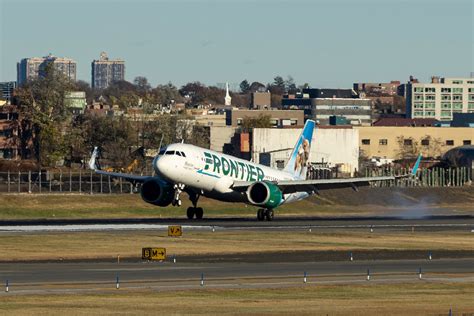
In contrast to Atlanta, Frontier’s new San Diego routes offer slightly higher frequencies:
- Austin – Four flights per week (A320neo)
- Salt Lake City – Three flights per week (A321neo)
- Chicago O’Hare – Daily service (A320neo)
These services are tailored for travelers looking to save without completely sacrificing frequency or reliability. It’s a nuanced approach that balances operational cost control with market relevance, especially in cities where travel demand remains robust but cost alternatives are scarce.
Ultra-Low-Cost Model vs. High-Frequency Dominance
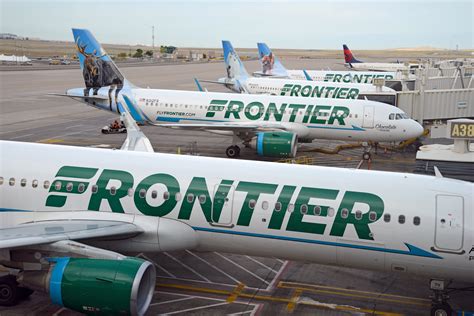
Frontier’s fleet of 82 Airbus A320neo family aircraft, with an average age under six years, gives it a competitive edge in operational efficiency. Each new route launched is part of a network planning strategy that prioritizes profitability over volume, sustainability over speed, and demand over density.
This model contrasts sharply with legacy carriers’ emphasis on daily frequency and corporate loyalty programs. Frontier’s value proposition hinges on providing basic, no-frills service at the lowest price point possible, while letting travelers build their own experience through optional add-ons. For flexible travelers—especially leisure passengers—this approach is not only acceptable but often preferable.
The expansion also reinforces a strategic trend seen at other airports, such as Denver International, where Frontier has successfully coexisted with United and Southwest. By identifying underserved niches within high-traffic corridors, the airline bypasses the need for costly head-to-head frequency battles, instead focusing on capturing marginal market share through aggressive pricing.

Frontier’s Gamble on Load Factors and Price Elasticity
For all its aggressiveness, Frontier’s long-term success depends on its ability to sustain high load factors with reduced frequency offerings. The airline is betting that the segment of U.S. travelers willing to trade flexibility for savings is large—and growing. With inflation affecting household budgets and a growing appetite for discretionary travel post-pandemic, the timing appears opportune.
The low-cost model also benefits from rapid scalability. With minimal operational infrastructure required at each airport, Frontier can shift capacity with speed based on route performance. If a newly launched route underperforms, the airline can redeploy aircraft with minimal disruption—unlike larger carriers burdened by gate contracts and alliance obligations.
This flexibility is especially important as Frontier wades into legacy-dominated hubs. In markets where entrenched competition can quickly drop prices to defend market share, Frontier must maintain a sharp eye on route profitability. However, it’s this very volatility that Frontier has shown it can exploit, often stepping in when competitors scale back on unprofitable frequency or retreat from marginal markets.
Implications for the Broader U.S. Airline Industry
Frontier’s moves in Atlanta and San Diego are emblematic of a larger structural shift occurring in American aviation. As legacy carriers continue to prioritize hub connectivity, corporate partnerships, and international alliances, there’s a growing blind spot in their domestic playbooks—one that Frontier appears eager to fill.
By targeting these blind spots with precision, Frontier is not only capturing budget travelers but also forcing competitors to revisit their domestic pricing strategies. In some cases, Frontier’s entry has already triggered fare drops from competitors, benefiting the consumer and leveling the playing field.
The strategic takeaway is clear: Frontier is no longer just a fringe player operating secondary routes. Its growth is now intersecting with primary airport infrastructure, business travel corridors, and high-profile destinations. Whether this leads to permanent market share gains or a wave of retaliatory pricing remains to be seen, but what’s certain is that the low-cost revolution is entering a bold new phase.
Conclusion: Disruption with a Purpose
Frontier Airlines’ expansion from Atlanta and San Diego is a calculated disruption, not a scattershot approach. By surgically inserting low-frequency, ultra-affordable flights into high-cost routes, the airline is reshaping market expectations and compelling legacy carriers to respond.
With every new city added, Frontier extends its influence in markets where travelers have long been held hostage by high fares and limited low-cost alternatives. Whether it’s challenging Delta’s fortress hub in Atlanta or facing off against multiple giants in San Diego, Frontier’s playbook reflects not only ambition but a deep understanding of where the U.S. air travel market is most vulnerable.
As the second half of 2025 unfolds, all eyes will be on Frontier to see whether its bold gambit translates into sustainable growth—or provokes a fierce backlash that tests the resilience of its model. Either way, one thing is clear: the airline wars in America just got a lot more interesting.