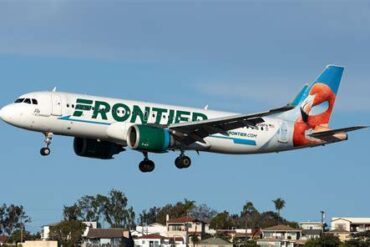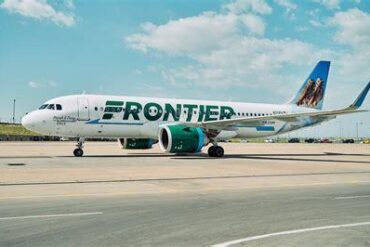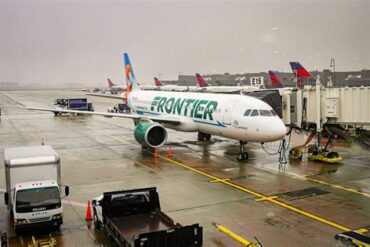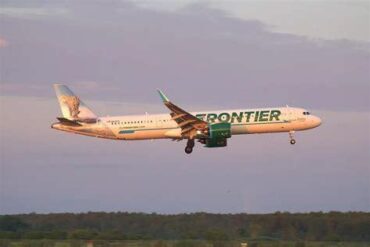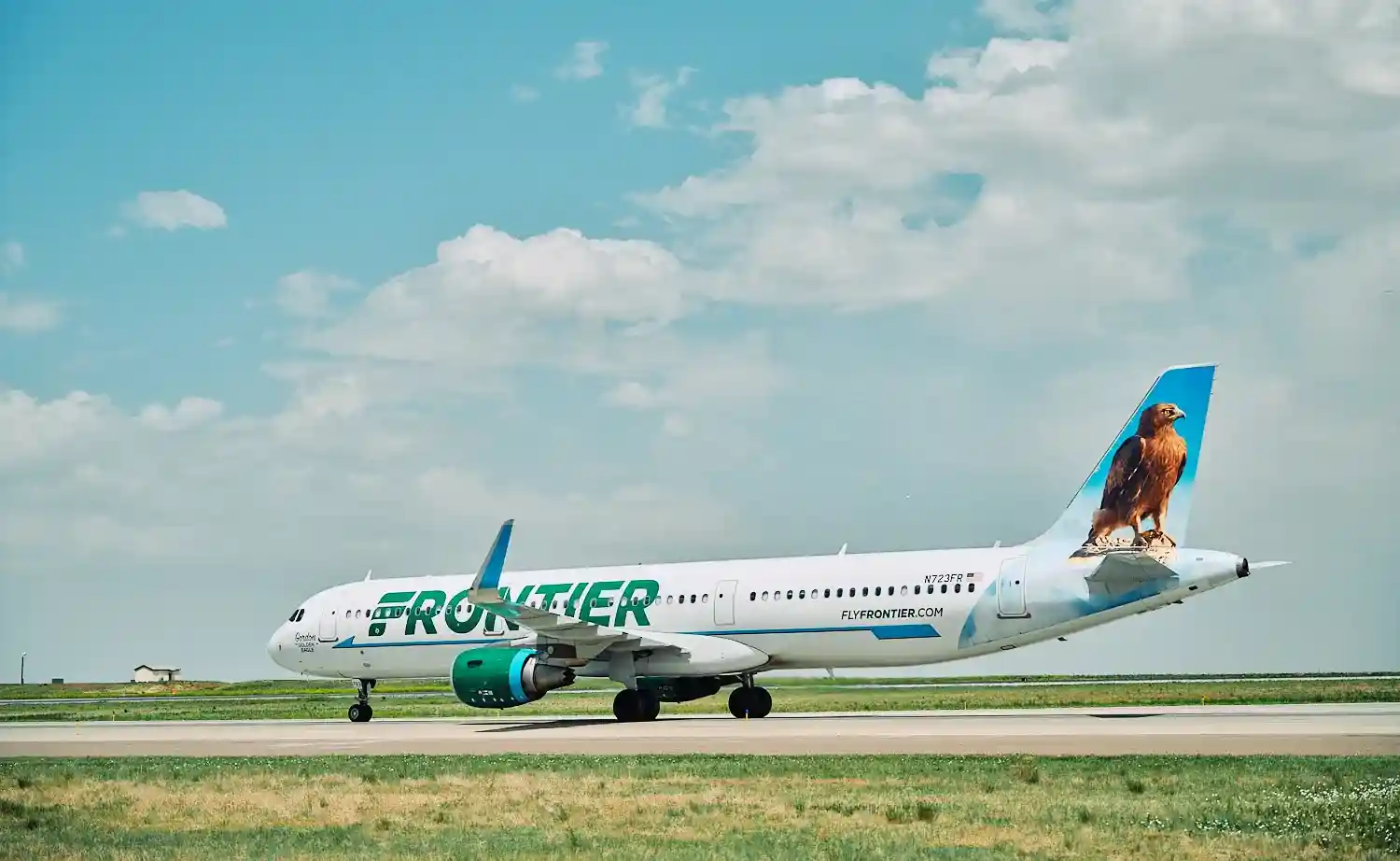
Frontier Airlines is executing a bold expansion strategy this June, launching twelve new routes across three critical markets: Atlanta, San Diego, and Seattle-Paine Field. As legacy carriers dominate traditional markets and economic pressures tighten around ultra-low-cost carriers (ULCCs), Frontier is reshaping its network footprint in a way that signals aggressive competition—and ambition.
Atlanta Takes Center Stage: Frontier’s Southeast Power Move
The busiest airport in the world—Hartsfield-Jackson Atlanta International Airport (ATL)—is witnessing a surge in ultra-low-cost travel options as Frontier adds six new routes from this southeastern powerhouse. On June 12 and 13, the carrier launched service to:
- Jacksonville International Airport (JAX)
- John Glenn Columbus International Airport (CMH)
- Palm Beach International Airport (PBI)
- San Pedro Sula Ramón Villeda Morales International Airport (SAP)
- Southwest Florida International Airport (RSW)
- St. Louis Lambert International Airport (STL)
With the exception of St. Louis (three times weekly), each route operates twice weekly. These additions boost Frontier’s direct route network from Atlanta to 52 airports, representing a 49.4% increase in weekly flights and a 49.9% rise in available seats year-over-year.
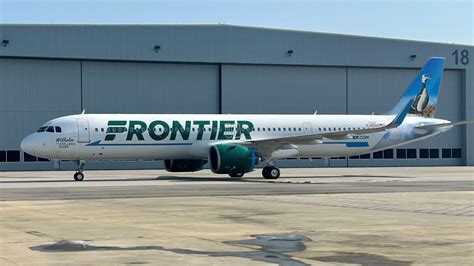
This growth reflects not only market penetration but also fleet optimization. By integrating five new Airbus A321neos into its operations in 2025, Frontier is leveraging higher seating capacity even with a 2.5% YoY reduction in total flight frequencies. As a result, the overall seat count has only slightly dipped by 0.1%, preserving supply amid operational constraints.
Josh Flyr, Vice President of Network and Operations Design at Frontier, emphasizes the focus on value: “This means more ultra-low-cost travel options for Atlanta-area consumers traveling throughout the United States, Latin America, and beyond.”
However, competitive turbulence is unavoidable. Routes like Atlanta to Columbus already face heavyweights such as Delta, Southwest, and Spirit. Delta alone flies the route 59 times weekly, compared to Frontier’s two. Despite Frontier’s price advantage—DOT data shows an average fare of $105 for Southwest vs. $180 for Delta—Delta still commanded 66.9% market share with a load factor nearing 91%. These are not markets left untouched but fiercely contested battlegrounds.
Sunshine & Struggles: San Diego Welcomes Three New Frontier Routes
From San Diego International Airport (SAN), Frontier launched three new routes:
- Chicago O’Hare International Airport (ORD) – Daily
- Austin Bergstrom International Airport (AUS) – Four times weekly
- Salt Lake City International Airport (SLC) – Three times weekly
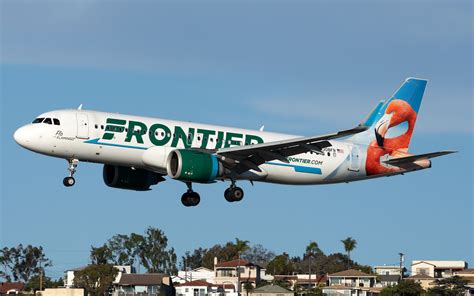
These markets aren’t new territories for the airline industry—but they are fiercely guarded. American and United dominate the San Diego–Chicago corridor with five daily flights each. Southwest adds further pressure by flying to Chicago Midway (MDW) three times daily. Combined, these carriers moved over 52,000 passengers in June 2024 with average load factors exceeding 86%.
Austin and Salt Lake City routes also feature entrenched competitors. Alaska Airlines and Southwest run 43 weekly flights to Austin alone, while Delta, Alaska, and Southwest share the Salt Lake City load. Alaska’s use of smaller Embraer E175s offers agility, but Frontier’s bet is volume, flying with 186-seat A320neos.
Frontier’s Executive Flyr reinforced the brand’s mission: “We are redefining ultra-low cost air travel, providing more comfort and convenience without compromising the affordability we’re known for.” That value proposition could attract budget-conscious travelers, particularly those disillusioned by the rising costs of traditionally full-service carriers.
Interestingly, the San Diego–Austin route marks a return for Frontier, having last operated the sector pre-pandemic between 2017 and March 2020. Load factors at that time fluctuated wildly, dipping to 50.1% in March 2020, but the relaunch reflects renewed confidence in post-COVID consumer demand.
Seattle-Paine: A Strategic Entry into a Boeing Stronghold
The most ambitious move yet may be Frontier’s debut at Seattle-Paine Field International Airport (PAE). Located roughly 30 miles north of Seattle-Tacoma, Paine Field is best known for its proximity to Boeing’s manufacturing hub. On June 2, Frontier began flying to:
- Denver International Airport (DEN)
- Las Vegas Harry Reid International Airport (LAS)
- Phoenix Sky Harbor International Airport (PHX)
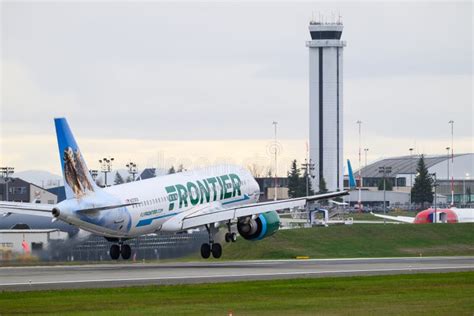
All three routes operate twice weekly with Airbus A320neo aircraft. The competition comes exclusively from Alaska Airlines, which maintains double-daily frequencies on both Las Vegas and Phoenix. Alaska utilizes a blend of E175s and 737-900ERs, offering flexibility in capacity management. Despite the new competition, Alaska posted load factors of 93% to LAS and 88.6% to PHX in June 2024.
Frontier already operates out of Seattle-Tacoma (SEA) with 36 weekly departures covering seven routes, including these new three now duplicated from Paine Field. The strategy, according to a March 4 announcement, is to complement SEA operations by offering more convenient northern access to the Seattle metro and wider Western Washington.
The move to PAE is also symbolic. Entering a Boeing-centric airport gives Frontier an intriguing foothold in an area usually overshadowed by major full-service carriers. Though only offering six weekly flights total from Paine Field, the symbolic presence could anchor future expansions if the market responds positively.
Balancing Fleet Efficiency with Market Risk
Frontier’s broader 2025 strategy appears aimed at consolidating seat capacity while pruning unproductive frequencies. While total flights are down 2.5% YoY, the addition of higher-capacity Airbus A321neos has effectively offset reductions in individual flight numbers. This dual approach allows Frontier to test new demand corridors without disproportionately inflating its cost base.
By deploying low-frequency, high-density aircraft on newly competitive routes, Frontier minimizes operational risk. However, it must prove that ultra-low fares, even with less frequent departures, can pull market share away from full-service incumbents who offer greater schedule flexibility.
Cirium Diio Mi and DOT data suggest that success will not come easily. Delta, Southwest, and Alaska dominate many of the same routes Frontier now enters, often with daily or multiple daily departures. To succeed, Frontier must achieve consistently high load factors without undercutting prices to unsustainable levels.
The Bigger Picture: Frontier’s June Gambit
By targeting key nodes like Atlanta, San Diego, and Seattle-Paine, Frontier is diversifying its network architecture beyond traditional ULCC strongholds. Each market comes with substantial challenges—entrenched legacy carriers, frequency disadvantages, and brand loyalty hurdles.
Yet the airline is betting on price-sensitive travelers, many of whom may now prefer cost over convenience amid economic uncertainty. Frontier’s competitive pricing, paired with improved fleet efficiency, may just make enough impact to sustain this bold expansion.
If consumer adoption meets expectations, Frontier’s June 2025 route blitz could signal a new era of market penetration, where ultra-low-cost carriers no longer orbit around legacy hubs—but punch straight through them.