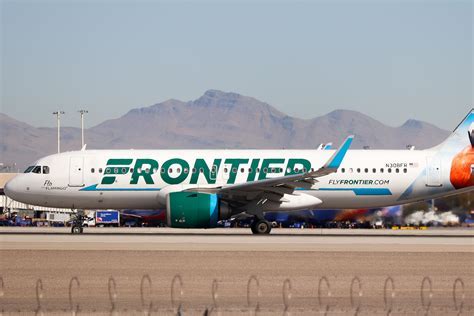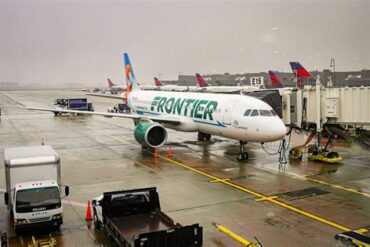
Frontier Airlines is once again making waves in the competitive US domestic airspace as it rolls out a bold new series of routes from two major airports — Atlanta’s Hartsfield-Jackson International Airport (ATL) and San Diego International Airport (SAN). These new additions are not merely route tweaks or seasonal adjustments. They represent a deliberate escalation in Frontier’s strategy to challenge the dominance of legacy carriers like Delta, United, and American in their fortress hubs. With introductory fares as low as $49 and $59, Frontier is signaling a clear intent: to give cost-conscious travelers more choices while chipping away at the oligopoly long held by the big players.
A Strategic Leap From Atlanta: Building a Low-Cost Foothold in Delta’s Fortress
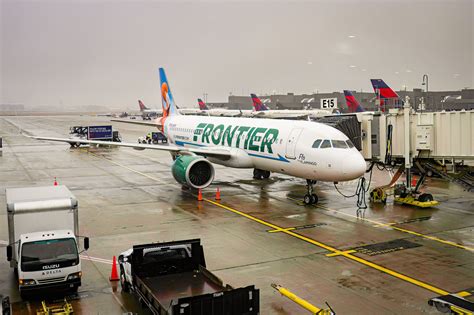
Atlanta Hartsfield-Jackson International Airport, the world’s busiest, has long been a bastion for Delta Air Lines, which commands over 80% of the market share at ATL. Enter Frontier Airlines, which, rather than shying away from this David-and-Goliath scenario, has doubled down with six new routes, including its first-ever service to San Pedro Sula, Honduras. This route not only opens up a new international frontier for the carrier but also reflects its broader goal to expand across Latin America and the Caribbean, where it already serves 10 destinations.
The six new routes from ATL are:
- Columbus (2x weekly)
- Ft Myers (2x weekly)
- Jacksonville (2x weekly)
- Palm Beach (2x weekly)
- San Pedro Sula (2x weekly)
- St Louis (3x weekly)
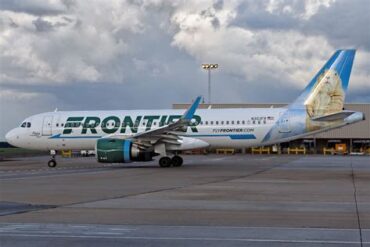
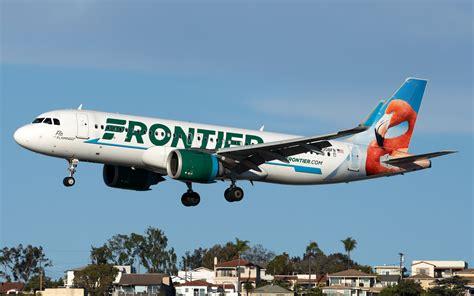
All routes are operated by the airline’s modern Airbus A320neo fleet, which currently consists of 82 aircraft with an average age of just 5.8 years. These flights add to Frontier’s already sizable presence at ATL, bringing its total destinations served from Atlanta to 52, a figure that includes numerous international gateways.
However, competition is fierce. On every domestic route launched, Delta already offers significantly more frequent service — as many as 10 daily flights to some destinations. That said, Frontier is betting on the price-sensitive segment of the market. According to Josh Flyr, VP of Network and Operations at Frontier:
“We are thrilled to launch these additional six routes from ATL this week, including our first ever service to the beautiful country of Honduras – just the latest in our growth in Atlanta. Our departures from ATL are up 40 percent year over year.”
Disrupting the West Coast: San Diego Gets a Frontier Upgrade
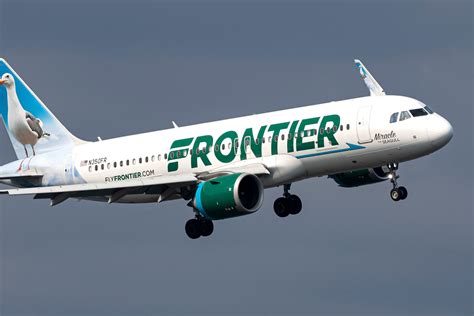
While Atlanta’s expansion leans heavily on strategic competition with Delta, the move in San Diego demonstrates Frontier’s ambition to scale on both coasts. Prior to this week, the airline maintained a modest footprint at San Diego International Airport, with just five routes — Denver, Dallas, San Francisco, Las Vegas, and Phoenix. Now, it’s adding three high-demand destinations:
- Austin (4x weekly)
- Chicago O’Hare (Daily)
- Salt Lake City (3x weekly)
Each of these routes directly confronts major airlines. Chicago O’Hare, in particular, is a daring choice, as both American and United operate up to five daily flights on the same route. Yet Frontier’s differentiator is its pricing power. With launch fares starting at $59, the airline positions itself as an accessible alternative for leisure and budget travelers.
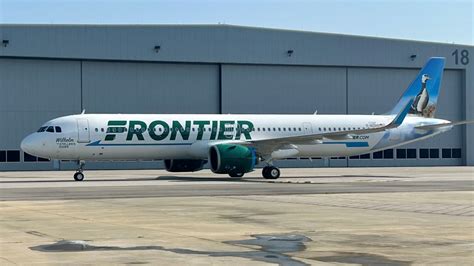
Operationally, the San Diego routes are being flown using the A320neo and A321neo aircraft, capitalizing on their fuel efficiency and seat density. These new additions are expected to gain traction quickly given the high load factors — above 84% — that other carriers were already seeing on these routes. However, until now, none of these routes were served by an ultra-low-cost carrier, giving Frontier a compelling opening.
Analyzing the Strategic Intent: Can Frontier Survive the Heat?
The decision to escalate service at Atlanta is as strategic as it is risky. On one hand, Frontier has proven its ability to coexist with legacy carriers at complex airports — its base at Denver International Airport is a textbook case. There, it successfully competes with both United and Southwest by leveraging lower fares and leisure-focused schedules. On the other hand, Delta’s grip on Atlanta is exceptional. For most routes Frontier is introducing, Delta has a far superior schedule. For example:
- Jacksonville: Delta operates 12 daily flights, compared to Frontier’s 2 per week.
- Ft Myers: Delta runs 7 daily flights; Frontier’s offering is biweekly.
So what is Frontier’s advantage? Quite simply, price. In a market where Delta can charge $240 round-trip for a main cabin seat to Jacksonville, Frontier can offer fares under $120. The catch is availability — low-cost carriers don’t cater to the business traveler who needs flexibility. Instead, they rely on leisure flyers willing to book specific days for major cost savings.
For those travelers, Frontier’s expansion means real value. And as airfare prices remain volatile, the opportunity to undercut legacy pricing remains powerful.
The Role of Aircraft Strategy in Frontier’s Expansion
Frontier’s expanding route map is supported by fleet strategy that emphasizes modern, efficient aircraft. The Airbus A320neo family, in particular, offers lower fuel burn and extended range, which is ideal for medium-haul domestic and international flights. The average age of the fleet — under six years — also helps Frontier maintain operational efficiency and reduce maintenance costs.
What’s more, Frontier’s use of uniform aircraft types simplifies crew training, ground handling, and scheduling. This model mirrors what other successful low-cost carriers like Ryanair and Southwest have done, and enables rapid, cost-effective route expansion.

Consumer Takeaway: What Passengers Can Expect
For passengers in both Atlanta and San Diego, the new routes provide a viable alternative to the big-name carriers. But as always with ultra-low-cost airlines, the appeal lies in the base fare — not necessarily the final price. Passengers should be aware that:
- Baggage, seat selection, and onboard services incur additional fees.
- Flights operate only a few times a week, so flexibility is key.
- Delays or cancellations may have limited rebooking options compared to legacy carriers.
Still, for those willing to travel light and plan ahead, Frontier’s pricing model is a clear winner. The addition of San Pedro Sula also gives diaspora communities and adventure travelers a much-needed budget connection to Honduras.
Conclusion: A Calculated Gamble With National Implications
The launch of nine new routes across two coasts is more than just another week of schedule changes. It reflects a deliberate, high-stakes strategy to challenge the status quo in major markets long dominated by legacy airlines. Whether Frontier can sustain and scale these new operations will depend on a delicate balance: price competitiveness, operational reliability, and the ability to cater to travelers who value cost over frequency.
As economic conditions continue to push more travelers toward value-focused flying, Frontier’s bet may pay off. The message to legacy carriers is unmistakable: No market is untouchable anymore.