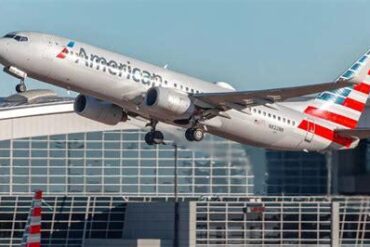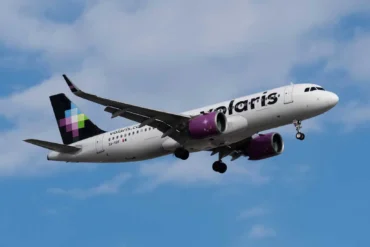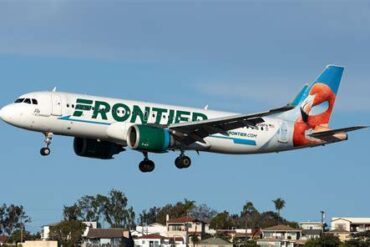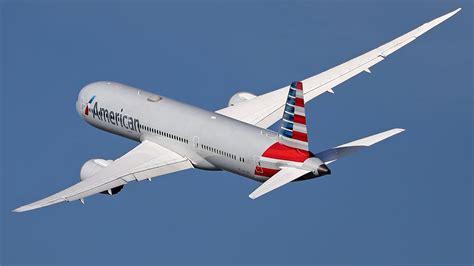
American Airlines is reinforcing its dominance in the U.S.-Mexico air travel corridor with a strategic expansion plan that includes new direct routes to Mexico City, Queretaro, and Puerto Escondido. These additions not only deepen the airline’s market penetration in Latin America but also intensify competition with other major players such as United Airlines, Aeromexico, Volaris, and Viva Aerobus.
Strengthening the Mexico City Connection
The centerpiece of American Airlines’ latest expansion is the new daily route between Chicago O’Hare International Airport (ORD) and Mexico City Benito Juárez International Airport (MEX), set to begin on October 26, 2025. This route puts American in direct competition with multiple airlines already operating in the corridor, signaling a confident push into an already crowded, yet lucrative, aviation lane.
Mexico City, a pulsating metropolis with robust tourism and business travel demand, holds a unique position in the Latin American airspace. By connecting it directly to Chicago — a major hub for both corporate headquarters and leisure travelers — American Airlines is making a calculated bet on high-frequency, high-volume traffic potential.
This new link will likely attract both corporate clients operating between the Midwest and Mexico, and tourists eager to explore one of Latin America’s cultural epicenters. With this move, American Airlines aims to capture a broader slice of the transborder business travel pie while providing a compelling choice for vacationers who value nonstop service.
Queretaro: Seasonal but Strategic
While Mexico City represents a year-round commitment, Queretaro enters American Airlines’ map as a seasonal jewel. From December 18, 2025, to January 5, 2026, American will operate a holiday-season daily service between Chicago O’Hare and Queretaro Intercontinental Airport. This route aligns perfectly with seasonal travel spikes when families, expatriates, and tourists travel to central Mexico to celebrate holidays or enjoy winter breaks.
Queretaro, known for its colonial architecture and tech-forward industrial base, is a dual-purpose city — welcoming both leisure and corporate traffic. American’s presence here will be particularly attractive to Mexican-American communities seeking efficient connections during peak holiday periods, as well as executives doing business in the region’s growing automotive and aerospace sectors.
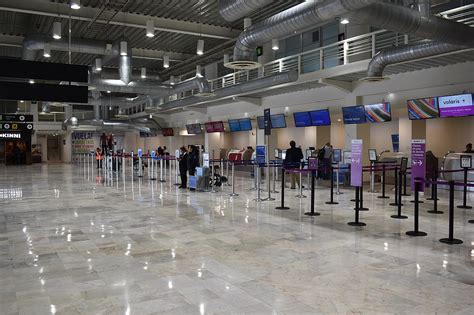
This targeted seasonal service helps American Airlines remain nimble and responsive to shifting travel demand without the fixed cost structure of year-round commitments.
Puerto Escondido: The Leisure Traveler’s Paradise
The inclusion of Puerto Escondido on the route map is a bold embrace of Mexico’s rising profile as an eco-tourism and surf destination. Starting December 3, 2025, American Airlines will begin twice-weekly flights from Dallas-Fort Worth International Airport (DFW) to this coastal jewel in Oaxaca.
Puerto Escondido, long favored by backpackers and surfers, is now entering mainstream tourism. With its relaxed atmosphere, stunning beaches, and emerging luxury resorts, the city is on track to become a significant player in Mexico’s leisure tourism sector.

This new connection from a major U.S. hub like DFW offers easy accessibility to travelers seeking off-the-beaten-path experiences without sacrificing comfort. As demand for coastal getaways and wellness tourism increases, this route stands to become a high-performing addition.
Moreover, with American Airlines now flying to 30 destinations across Mexico, the Puerto Escondido link underscores the carrier’s ambition to serve not just the most trafficked cities but also emerging tourism hotspots.
Tampico: Reinforcing the Northern Corridor
While Puerto Escondido expands American’s southern reach, its earlier launch of Tampico service in March 2025 reflects a parallel strategy to strengthen its presence in northern Mexico’s economic corridor. The Tampico-DFW daily route positions the airline to serve travelers linked to the Gulf Coast’s growing industrial base, energy sector, and U.S.-Mexico cross-border commerce.
As the airline’s 29th Mexican destination, Tampico’s inclusion adds weight to American’s broader approach of building a comprehensive national footprint in Mexico, connecting major economic regions with its U.S. hubs. These continuous additions help cement the airline’s role not just as a carrier of people, but as an essential component of North American business infrastructure.
Data-Driven Dominance in the U.S.-Mexico Market
According to CAPA – Centre for Aviation, American Airlines now commands a 19.8% share of two-way seat capacity between the U.S. and Mexico — a lead over United Airlines (16.2%) and Mexico-based carriers Volaris, Aeromexico, and Viva Aerobus. This lead is not incidental. It is the result of consistent investment, strategic route planning, and aggressive network expansion.
The latest expansion is a deliberate reinforcement of this lead. Every new service adds incremental seat capacity, widens American’s share of passenger demand, and erodes competitor market share, particularly in regions with growing tourism or business relevance.
This approach also gives American Airlines greater pricing leverage and scheduling flexibility, enabling it to shape traveler behavior and capture demand even before competitors react.
Expanding Horizons Beyond Mexico: Santo Domingo Adds Caribbean Strength
Complementing its Latin American focus, American Airlines is also bolstering its Caribbean network. On December 18, a new daily service from Philadelphia (PHL) to Santo Domingo, Dominican Republic (SDQ) will take flight. This route connects a major U.S. Northeast population center with the Caribbean’s cultural capital, known for its vibrant history, music, and all-inclusive resorts.
With Americans showing increased interest in beach destinations with cultural depth, this route is expected to attract high holiday-season volume and year-round tourism interest. It also allows American Airlines to better compete against JetBlue and Frontier, both of which have a strong Caribbean presence.
Strategic Vision and Network Growth
American Airlines’ ongoing investments align with a broader vision: to become the leading airline connecting the United States with Latin America and the Caribbean. With every new route added, the airline reinforces this goal, building on a legacy of transborder connectivity with greater depth, diversity, and destination variety.
This strategy is not just about launching flights but about creating scalable, profitable, and demand-driven networks that reflect the changing demographics of travelers and the evolving economic landscape across the Americas.
By combining year-round essential routes like Mexico City–Chicago with seasonal leisure service to Puerto Escondido and holiday-focused additions like Queretaro, American Airlines maximizes utility for different traveler segments while optimizing its aircraft usage and crew scheduling.
The Competitive Implication for Regional Players
These new routes also challenge Mexican carriers in their own backyard. Volaris, Aeromexico, and Viva Aerobus now face an increasingly encroaching American presence on both leisure and business-oriented routes. American’s superior global connectivity and loyalty programs give it a strong competitive advantage for travelers looking for one-ticket convenience across international itineraries.
Even United Airlines, which also offers Chicago-Mexico City service, will need to contend with American’s pricing strategy, customer base, and premium cabin offerings, especially given American’s ability to leverage codeshare and alliance partnerships more broadly.
Conclusion: A Calculated Ascent in Latin America
American Airlines’ latest moves underscore a clear and calculated ascent in the Latin American aviation sector. The carrier’s blend of strategic business routes, seasonal holiday options, and emerging destination links offers a comprehensive travel network that’s difficult to rival.
From business centers like Mexico City and Tampico to sun-drenched escapes like Puerto Escondido and Santo Domingo, American is positioning itself not just as a carrier of passengers but as a catalyst for transborder economic and cultural exchange.
As global travel recovers and evolves post-pandemic, American Airlines is proving that agility, timing, and targeted investments remain the core pillars of sustainable aviation dominance.