
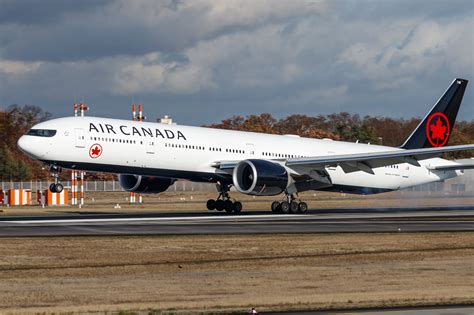
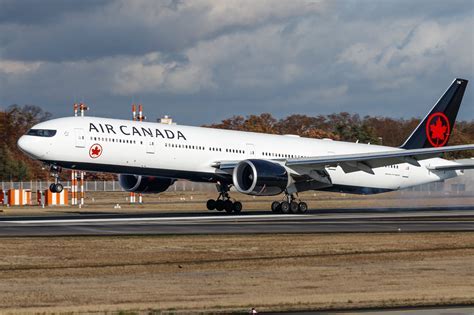
Canada’s flag carrier, Air Canada, has unveiled a sweeping expansion to its winter 2025-26 flight network, aimed at dramatically improving connectivity to South and Central America and Mexico. The headline-grabbing announcement centers around the reinstatement of nonstop service to Lima, Peru from both Montreal and Toronto, while also launching three fresh routes: Montreal to Belize, Toronto to Puerto Escondido, and Vancouver to Tepic, situated near the popular Riviera Nayarit. These flights are now open for booking, making it easier for travelers to plan their next warm-weather escape.
The expansion is not merely a growth in flight frequencies or additional seating capacity. It is a carefully crafted strategic move that positions Air Canada at the forefront of international leisure travel, aligning with current trends in post-pandemic wanderlust and demand for culturally rich, sun-drenched destinations.
Reconnecting Peru: The Return of Nonstop Flights to Lima
At the heart of this expansion is the resumption of direct flights to Lima, a key gateway to the Andean world and home to Peru’s bustling capital. For Canadians and Europeans alike, Lima acts as a primary point of entry to world-renowned sites such as Machu Picchu, the Sacred Valley, and the Nazca Lines. Starting in early December 2025, Air Canada will operate:
- Montreal to Lima on Wednesdays and Saturdays
- Toronto to Lima on Tuesdays and Fridays
These twice-weekly flights, running through late March 2026, are expected to cater not just to leisure travelers but also to the growing segment of business and VFR (Visiting Friends and Relatives) passengers who maintain strong personal and economic ties to Peru.
What sets this renewed service apart is its dual departure points, which allows the carrier to draw traffic from Eastern Canada, Quebec, and Ontario, streamlining the route’s appeal for multiple markets simultaneously.
Unlocking the Mystique of Mexico: New Routes to Puerto Escondido and Tepic
Equally exciting is Air Canada’s decision to spotlight Mexico’s evolving Pacific coastline by offering direct access to Puerto Escondido and Tepic, two destinations that until now were largely out of reach for North American travelers without tedious connecting itineraries.
Puerto Escondido, located on Oaxaca’s rugged coastline, is a surfer’s haven. Once a hidden gem known only to wave riders and digital nomads, it’s quickly becoming a bohemian luxury escape, merging raw natural beauty with boutique lodging and artisanal cuisine. Air Canada’s new Toronto to Puerto Escondido route, launching December 17, 2025, and running weekly until April 8, 2026, will bring Canadian travelers one step closer to Mexico’s best-kept secret.

Meanwhile, the new Vancouver to Tepic flight—also beginning December 17, 2025—ushers in direct access to Riviera Nayarit, a region poised for a tourism boom thanks to a major infrastructure milestone. Scheduled for completion in October 2025, a new highway will connect Tepic to Puerto Vallarta, shrinking travel time to popular beach towns like Sayulita, San Pancho, and Punta Mita to under an hour. This change alone transforms Tepic into a strategic low-density arrival hub, appealing to tourists eager to bypass busier airport terminals without compromising on experience.

A New Gateway to Central America: Nonstop from Montreal to Belize
For winter-weary travelers in Quebec, Air Canada’s new Montreal to Belize flight introduces a much-needed link to one of Central America’s most biodiverse paradises. The route launches on Monday, December 8, 2025, operating through April 6, 2026. Belize is a rising eco-tourism giant, drawing adventure seekers, divers, and cultural tourists to its rich blend of Caribbean flavor, ancient Mayan sites, and the world’s second-largest barrier reef.

Over 80,000 Weekly Seats and 52 Sun Destinations: Air Canada’s Largest Winter Network Ever
In total, Air Canada’s 2025-26 winter network will comprise more than 80,000 weekly seats spread across over 55 daily flights to 52 Latin American and Caribbean destinations. This marks the largest winter sun network in the airline’s history and signals a robust resurgence of international leisure travel.
This comprehensive schedule is designed to accommodate peak-season traffic while offering consistent service and reliability, ensuring that customers can fly with confidence across the network. With leisure travel making a sharp rebound post-pandemic, these destinations aren’t just routes—they are part of a strategic realignment meant to solidify Air Canada’s grip on transcontinental traffic.
Economic, Cultural, and Commercial Ripples: A Broader Impact
The implications of these new routes extend far beyond tourism. They are economic lifelines that will boost regional development in often-overlooked corners of Latin America. By introducing cargo capabilities on these routes, Air Canada also supports trade and small business exports, particularly from regions known for artisanal goods, seafood, and agricultural produce.
On a cultural level, these flights create bridges between Canadian cities and Latin communities, supporting diaspora travel and encouraging cross-cultural exchanges that enrich both ends of the journey. The direct flight to Lima, for example, will be particularly meaningful to Canada’s growing Peruvian community, as it eases access for family reunions, holiday visits, and cultural celebrations.
Timing and Competitiveness: Staying Ahead in a Heated Market
This expansion comes at a time when competition for Latin American routes is intensifying. Airlines such as WestJet, United, and Aeromexico are all vying for slices of the same leisure pie, often adjusting their own strategies based on where Air Canada plants its flag.
The strategic rollout—carefully aligned with seasonal high demand and coordinated with major infrastructure upgrades in destination countries—shows an acute awareness of the travel ecosystem and how timing can tip the scale. In the case of Tepic, for instance, launching flights just as the new highway to Puerto Vallarta opens creates first-mover advantage.
Challenges and Approvals
Of course, some hurdles remain. The Puerto Escondido and Tepic flights are still subject to final approval from Mexican authorities. However, given the robust diplomatic and aviation ties between Canada and Mexico, these routes are widely expected to proceed without delay.
Moreover, the airline will have to sustain passenger volume across relatively niche routes to ensure long-term viability. But Air Canada’s decision to offer once-weekly frequencies—a wise play in managing risk—indicates a cautious yet optimistic approach.
The Future of Sun Travel: Sustainable, Experiential, and Borderless
Air Canada’s 2025-26 winter expansion reflects a paradigm shift in travel behavior. Today’s travelers are increasingly drawn to destinations that offer authentic experiences, lower density, and a strong sense of place. By identifying and investing in emerging areas like Puerto Escondido, Tepic, and Belize, the airline positions itself as more than just a carrier—it becomes a curator of meaningful journeys.
This focus on off-the-beaten-path locales, paired with traditional gateways like Lima, suggests a dual approach: catering to mainstream travelers while also serving adventurers and culture seekers. The result is a diversified portfolio of routes that enhances Air Canada’s resilience and global reach.
Conclusion: New Horizons Take Flight
Air Canada’s latest move is more than a seasonal adjustment—it’s a bold statement of connectivity, ambition, and vision. By resuming and launching routes that link Montreal, Toronto, and Vancouver to some of the most evocative destinations in Latin America, the airline reshapes winter travel for Canadian and international passengers alike.
With new paths carved to Peru’s ancient ruins, Belize’s underwater wonders, and Mexico’s emerging Pacific retreats, travelers are offered not just convenience, but inspiration and opportunity. As booking portals light up and planes prepare for takeoff, this expansion is set to redefine what winter travel looks like in 2025 and beyond.