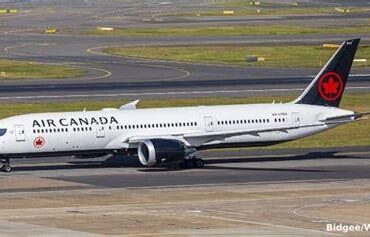
Only 54 minutes in the air may seem like an unlikely assignment for one of the world’s newest long-range narrowbody aircraft, but Air Canada is preparing to do exactly that. The Canadian flag carrier has updated its winter schedule to include an unusual deployment of the Airbus A321XLR, placing the advanced aircraft on the short domestic route between Montréal and Ottawa during the busy holiday travel season. While the aircraft was primarily acquired to strengthen transatlantic operations and thinner long-haul markets, the latest schedule filings demonstrate the airline’s operational flexibility as it gradually integrates the new fleet into its expanding network.
The temporary domestic assignment is only one part of a much broader strategy. Alongside the short Canadian sectors, Air Canada is increasing A321XLR services across North America while steadily expanding its presence on key European routes. The combination highlights how the airline intends to maximize aircraft utilization while introducing passengers to its newest onboard product before the fleet reaches full-scale international deployment.
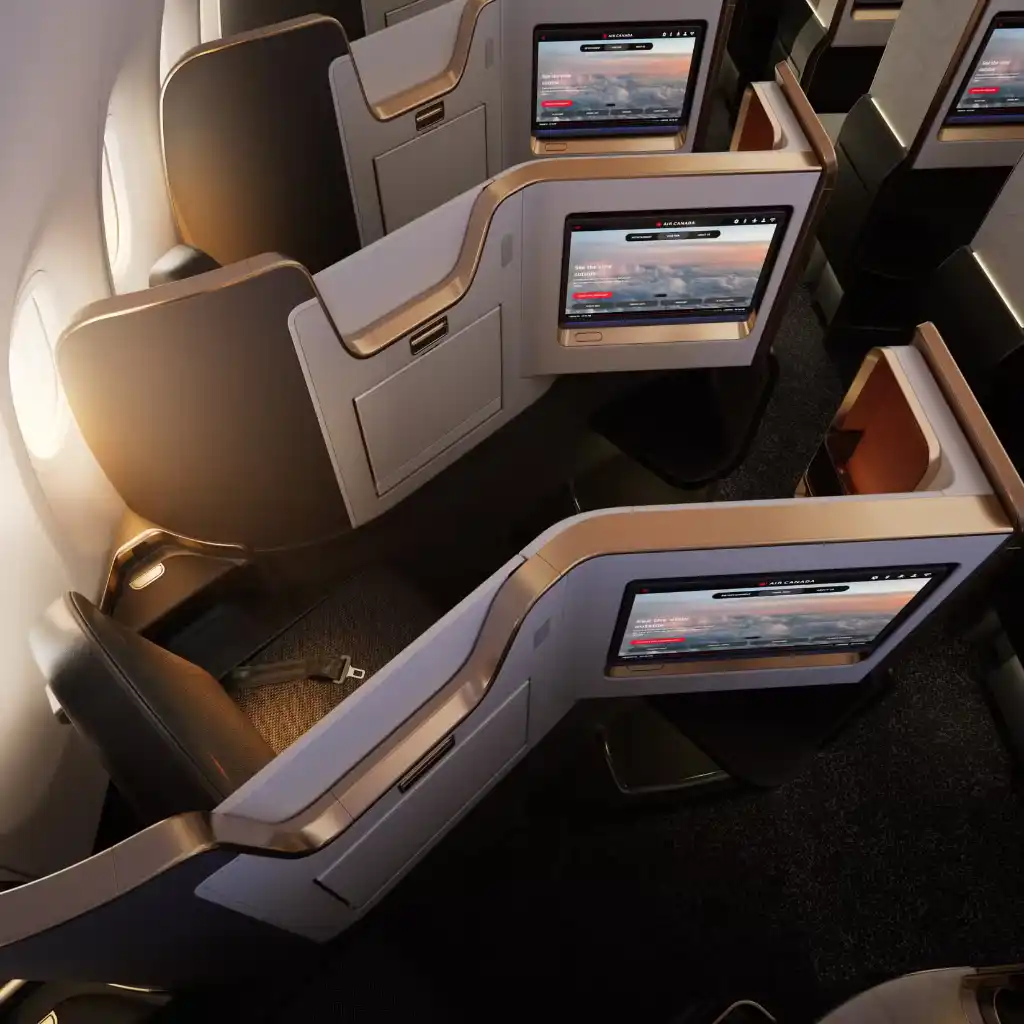
The airline has so far taken delivery of two Airbus A321XLRs from an order of 30 aircraft. Configured with 182 seats across two cabins, the aircraft introduces Air Canada’s latest premium experience, featuring lie-flat Business Class seating, upgraded entertainment systems, modern cabin interiors, and improved passenger comfort on routes that previously relied on more conventional narrowbody aircraft.
A 54-Minute Flight That Stands Out
Perhaps the most surprising addition to the winter timetable is the Montréal Pierre Elliott Trudeau International Airport (YUL) to Ottawa Macdonald-Cartier International Airport (YOW) service. The scheduled block time is only 54 minutes, making it one of the shortest flights ever planned for the Airbus A321XLR.
Rather than becoming a permanent fixture, the service is designed as a limited seasonal operation. The aircraft is expected to operate the route once each week between December 21, 2026, and January 5, 2027, coinciding with one of Canada’s busiest travel periods. Although passengers will spend less than an hour in the air, they will experience amenities typically reserved for long-haul international journeys.
Business Class travelers will enjoy fully lie-flat seats, a rarity on domestic Canadian flights and something unavailable on other Canadian airlines operating single-aisle aircraft. Even Economy Class passengers benefit from the aircraft’s modern cabin environment, quieter interior, updated lighting, and enhanced passenger comfort.
The brief deployment also provides Air Canada with additional scheduling flexibility during the holiday rush while familiarizing crews and maintenance teams with the aircraft before larger international expansions continue.
North American Network Receives Major A321XLR Expansion
Beyond the eye-catching Ottawa service, Air Canada is significantly increasing the Airbus A321XLR’s presence throughout North America. The aircraft is gradually replacing or supplementing existing narrowbody and widebody services on several important domestic and transborder routes.
Beginning December 16, daily flights between Toronto Pearson International Airport and Calgary International Airport will be operated by the A321XLR. The aircraft will also begin serving Toronto–Los Angeles on selected rotations starting December 15, bringing the premium cabin experience to one of Air Canada’s busiest U.S. markets.
Additional schedule changes include multiple weekly flights between Toronto and Montréal from late October through early January, allowing passengers on one of Canada’s busiest air corridors to experience the airline’s newest aircraft.
Montréal will become the primary operational hub for the aircraft during the winter schedule. From there, Air Canada plans to introduce daily service to San Francisco beginning January 15, 2027, while Los Angeles gains service from late October with additional frequencies added in mid-November.
The network expansion also briefly includes flights to Miami, alongside seasonal operations to Halifax and Bridgetown, Barbados, demonstrating the aircraft’s ability to efficiently serve markets with varying demand profiles.
These deployments showcase one of the A321XLR’s greatest strengths. Its combination of long range and relatively modest seating capacity allows airlines to operate profitable services where larger widebody aircraft may be oversized while still offering premium onboard amenities.
Airbus A321XLR Strengthens Air Canada’s European Strategy
While the domestic flights have generated headlines because of their unusually short duration, the aircraft’s primary mission remains transatlantic flying. Air Canada ordered the A321XLR specifically to open new long-haul opportunities while improving efficiency on established European routes.
Several adjustments have been made to the winter European schedule. The introduction of A321XLR service between Halifax and London Heathrow has been delayed until December 17, replacing previously scheduled Boeing 737 MAX 8 operations. Daily service is expected to begin in late March as seasonal demand increases.
Ottawa’s direct service to London Heathrow has also been revised. Rather than launching in early December, the aircraft will begin operating the route from December 16, replacing several Airbus A330 frequencies with three weekly A321XLR flights.
Other European network adjustments include changes from Montréal to Lisbon, where weekly A321XLR frequencies have been reduced from five to three while an Airbus A330 supplements overall capacity. Meanwhile, passengers departing Toronto for Copenhagen and Manchester will increasingly see the Airbus A321XLR replacing Boeing 787-8 aircraft from mid-November onward.
These route adjustments reflect Air Canada’s ongoing effort to optimize fleet deployment while matching aircraft size to passenger demand. Instead of relying exclusively on larger widebody jets, the airline can now operate long-range flights with lower operating costs and greater scheduling flexibility.
Premium Experience Meets Operational Efficiency
The Airbus A321XLR represents far more than another fleet addition for Air Canada. It introduces a new level of versatility capable of connecting secondary cities across the Atlantic while also providing premium service on high-demand domestic and North American routes.
Its ability to operate everything from a 54-minute holiday shuttle between Montréal and Ottawa to overnight flights across the Atlantic illustrates the remarkable flexibility of Airbus’ newest long-range narrowbody design. As additional aircraft join the fleet over the coming years, passengers can expect to see the A321XLR appearing on an even wider variety of destinations throughout Canada, the United States, and Europe, making it one of the airline’s most strategically important aircraft for the next decade.