easyJet is significantly expanding its winter network with the launch of 13 new and returning routes from the UK and the Isle of Man, reinforcing the carrier’s position as one of Britain’s largest airlines. The ambitious expansion spans destinations across Europe, North Africa, and the Arctic Circle, offering passengers greater access to Christmas markets, winter sun escapes, ski gateways, and Northern Lights adventures during the 2026/27 winter season.
The latest announcement further strengthens the airline’s extensive presence in the UK, the market where easyJet first began operations and where its corporate headquarters remain based. The newly unveiled routes will commence between November 2026 and January 2027, connecting travelers from ten departure airports to a diverse range of leisure destinations.
The expansion comes as easyJet continues to broaden its network despite industry consolidation pressures and increasing competition from both legacy airlines and ultra-low-cost rivals. Notably, ten of the thirteen routes are entirely new to easyJet’s route map, highlighting the carrier’s ongoing strategy of identifying underserved markets and stimulating fresh demand.
The new services will particularly appeal to passengers seeking seasonal experiences, with several routes timed specifically around Europe’s renowned Christmas market season.
easyJet’s 13 New and Returning UK Routes for Winter 2026/27
The newly announced routes will launch progressively throughout the winter schedule, providing direct connectivity from airports across England, Scotland, Northern Ireland, and the Isle of Man.
Key additions include:
- Manchester – Nuremberg: Two weekly flights from November 2.
- London Luton – Rabat: Two weekly flights from November 5.
- Glasgow – Kraków: Two weekly flights from November 13.
- Belfast International – Budapest: Two weekly flights from November 17.
- Bristol – Budapest: Two weekly flights from November 17.
- Liverpool – Budapest: Two weekly flights from November 19.
- London Gatwick – Nuremberg: Initially two weekly flights, increasing to four weekly from November 19.
- Manchester – Vienna: Four weekly flights from November 19.
- London Luton – Nuremberg: Two weekly flights from November 23.
- Edinburgh – Tromsø: Two weekly flights from November 30.
- London Southend – Lyon: Two weekly flights from December 3.
- Isle of Man – Geneva: Weekly flights from December 19.
- London Southend – Sharm el-Sheikh: Two weekly flights beginning January 4.
Many of these routes have been designed to capitalize on strong seasonal travel demand, particularly for festive city breaks and winter leisure holidays.
Christmas Markets Drive Several New European Services
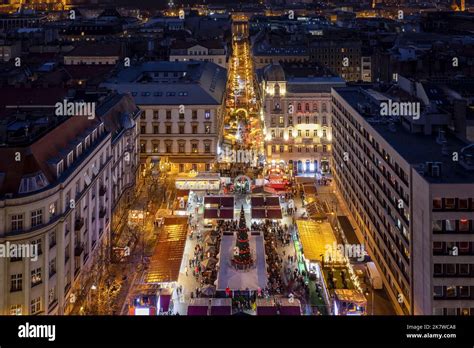
A substantial portion of easyJet’s winter growth strategy revolves around Europe’s increasingly popular Christmas market destinations. Cities such as Nuremberg, Budapest, Vienna, and Kraków consistently attract significant numbers of British travelers during the festive season.
Nuremberg, home to one of Germany’s oldest and most celebrated Christmas markets, emerges as a major beneficiary of the expansion. easyJet will serve the Bavarian city from both Manchester and London Luton, while also introducing flights from London Gatwick.
These services are expected to operate primarily during the peak winter tourism period, with many ending shortly after the New Year. The airline is effectively targeting short-break travelers seeking traditional European holiday experiences without requiring lengthy journeys or expensive fares.
Budapest also receives increased attention, with new links from Belfast International, Bristol, and Liverpool. The Hungarian capital remains one of Europe’s fastest-growing city-break destinations thanks to its historic architecture, thermal baths, festive markets, and competitive accommodation prices.
Several Routes Return After Years Away
Among the newly announced services, several routes represent the return of previously operated markets.
The most notable comeback is Bristol to Budapest, a route absent from easyJet’s network for approximately two decades. The airline initially launched the service in 2004 following Hungary’s accession to the European Union. At its peak, easyJet operated daily flights before eventually discontinuing the route in 2006.
The revived operation will differ considerably from its earlier incarnation. Instead of year-round service, flights will focus on seasonal winter demand, particularly travelers visiting Budapest’s festive attractions. The route will also face direct competition from Ryanair, which already maintains extensive operations between Bristol and the Hungarian capital.
Similarly, Manchester to Vienna returns after a six-year absence, having previously operated between 2015 and 2020. Meanwhile, London Southend to Lyon reappears after last being served by easyJet between 2015 and 2018.
Previously Unserved Airport Pairs Highlight Growth Ambitions
Perhaps the most strategically significant aspect of the announcement is the introduction of four entirely new airport pairs that have never previously enjoyed scheduled commercial service.
These include:
- London Luton – Rabat
- London Luton – Nuremberg
- Edinburgh – Tromsø
- London Southend – Sharm el-Sheikh
The Edinburgh-Tromsø route is particularly noteworthy. Tromsø has emerged as one of Europe’s premier winter tourism destinations, attracting visitors eager to witness the Northern Lights, participate in Arctic excursions, and experience snow-based activities.
Meanwhile, London Luton gains direct access to Morocco’s capital city, Rabat, expanding travel options to North Africa beyond traditional leisure destinations.

Southend’s Longest-Ever Scheduled Route
The launch of flights from London Southend to Sharm el-Sheikh marks a milestone for the Essex airport. Covering approximately 2,073 nautical miles (3,839 kilometers) each way, the route becomes Southend’s longest scheduled service in more than two decades and potentially the longest in the airport’s history.
The Egyptian Red Sea resort continues to grow in popularity among British travelers seeking reliable winter sunshine, diving opportunities, and resort-based holidays. The addition also further consolidates easyJet’s dominant position at London Southend, where it currently operates as the airport’s sole scheduled airline.
Collectively, these 13 routes underscore easyJet’s confidence in sustained leisure travel demand and reinforce the carrier’s commitment to expanding connectivity from regional UK airports throughout the winter season.