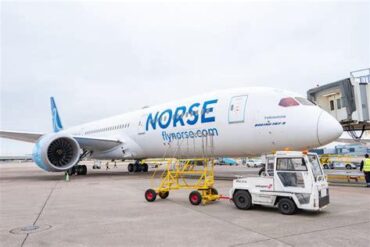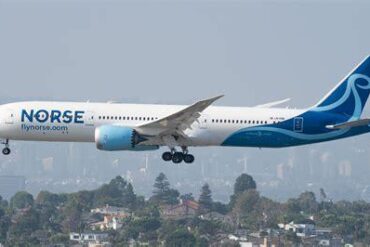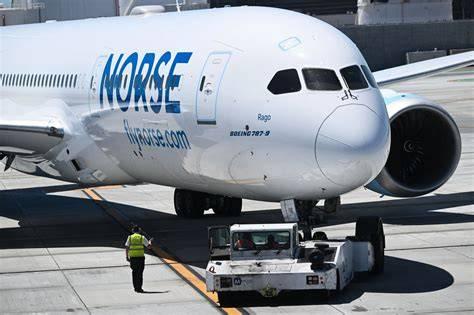
Norse Atlantic Airways is exploring a new strategy to put up to six Boeing 787-9 Dreamliners to work with other airlines as the Norwegian long-haul low-cost carrier continues to navigate financial pressure, rising fuel costs, and a difficult international operating environment. The airline is reportedly in discussions with Pakistan International Airlines (PIA) and Biman Bangladesh Airlines over potential long-term leasing arrangements, offering a possible new source of recurring revenue for aircraft that Norse may no longer need for its own network.
The discussions come at a particularly important moment for Norse Atlantic. The airline built its business around the idea that the Boeing 787-9 Dreamliner could make low-cost long-haul flying commercially viable, particularly across the North Atlantic. Yet the model has encountered significant challenges, forcing Norse to reduce capacity and reconsider how its fleet is deployed. Leasing aircraft to established carriers could therefore represent a pragmatic shift from relying exclusively on its own passenger network.
The development follows IndiGo’s decision to end its damp-lease arrangement with Norse Atlantic, involving six Boeing 787-9 aircraft. The agreement is expected to conclude on October 31, leaving Norse with additional aircraft capacity to place elsewhere. Rather than allowing those aircraft to remain underutilized, the Norwegian carrier is seeking new partners that could provide more predictable income and improve fleet utilization.
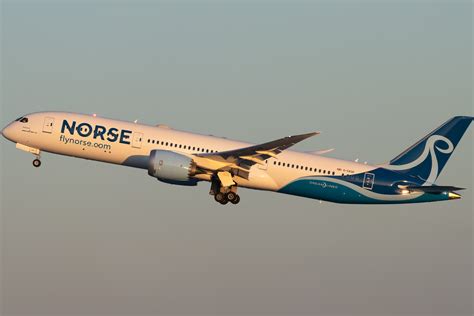
Norse Atlantic Turns to Aircraft Leasing
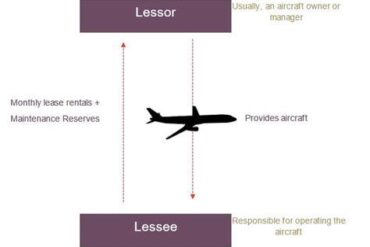
According to the reference reports, PIA and Biman Bangladesh Airlines are negotiating with Norse Atlantic for leases covering as many as six Boeing 787-9s. The precise commercial structure has not been disclosed, meaning the arrangements could ultimately take several forms. A dry lease would provide the aircraft alone, while a wet lease could include the aircraft, crew, maintenance, and insurance.
A leasing strategy could be particularly valuable for Norse because it changes the way the airline earns money from its expensive widebody assets. Operating a 787-9 on scheduled passenger services exposes a carrier to fluctuating demand, fuel prices, airport costs, crew expenses, and geopolitical disruptions. A long-term lease can offer greater revenue visibility, even if the financial return per aircraft is different from operating the aircraft directly.
For an airline dealing with limited cash reserves, that predictability matters. Norse has already been cutting routes and restructuring its operations as it attempts to improve its financial position. Converting surplus aircraft capacity into contractual leasing income could reduce the amount of capital tied up in aircraft while giving management additional flexibility to reshape the airline.
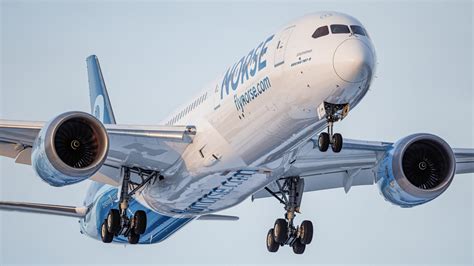
Why PIA Wants More Boeing 787 Capacity
For Pakistan International Airlines, the potential arrangement fits into a broader effort to strengthen its widebody fleet and expand international operations. The airline has indicated that it wants additional widebody aircraft to increase capacity, particularly on long-haul routes to Europe.
Leasing ready-to-fly Boeing 787-9s could provide PIA with a considerably faster route to additional capacity than waiting for newly ordered aircraft. The Dreamliner is already designed for long-range operations, offering an established platform for international expansion without requiring the carrier to develop an entirely new aircraft type.
The timing could therefore benefit both sides. PIA needs aircraft, while Norse needs reliable ways to generate revenue from aircraft that are becoming less essential to its own reduced network. A successful lease would allow PIA to increase capacity while giving Norse an opportunity to monetize its fleet.
Biman Bangladesh Faces Its Own Fleet Shortage
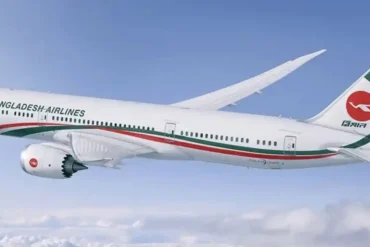
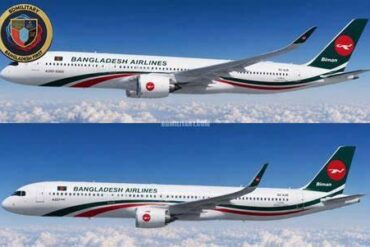
Biman Bangladesh Airlines has another compelling reason to consider Norse’s 787-9s. The Bangladeshi flag carrier reportedly needs additional aircraft to address a fleet shortage and support plans for new international routes.
Biman already operates Boeing 787-8 and 787-9 Dreamliners, making additional 787-9 aircraft particularly attractive from a fleet-commonality perspective. The airline has two more 787-9s and eight 787-10s on order, but deliveries are not expected quickly enough to solve its immediate capacity requirements.
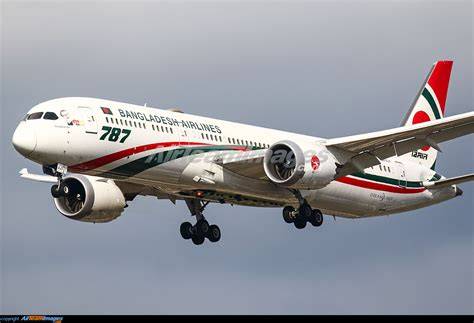
Leasing aircraft from Norse could bridge that gap. Instead of waiting years for factory-built aircraft, Biman could obtain additional widebody capacity relatively quickly and deploy it on routes where demand already exists or where the airline wants to expand.
The Bigger Problem Facing Norse Atlantic
The potential leases highlight a much larger challenge facing Norse Atlantic Airways: the difficulty of making low-cost long-haul aviation consistently profitable. The concept is attractive to passengers because affordable intercontinental fares can stimulate demand, but the economics are far more complicated than those of short-haul low-cost airlines.
Long-haul aircraft spend many hours in the air, yet they also carry substantial costs. Fuel consumption is significant, maintenance requirements are expensive, and crews require extended rest periods. Airlines must also contend with airport charges, currency movements, seasonal demand, geopolitical restrictions, and rapidly changing international travel patterns.
Norse has already reduced its US flying substantially compared with the previous year. That retrenchment illustrates how difficult it can be for an independent low-cost carrier to compete against large network airlines with established loyalty programs, extensive connecting networks, corporate contracts, and multiple revenue streams.
Could Leasing Become Norse’s Strongest Option?
Leasing its Boeing 787-9s does not necessarily mean Norse is abandoning its long-haul ambitions. Instead, it could provide the airline with a more flexible fleet strategy while reducing exposure to weak markets.
The history of low-cost long-haul aviation demonstrates why flexibility matters. Norwegian Long Haul, WOW Air, Primera Air, and PLAY Airlines all struggled or ceased operations, while carriers such as Cebu Pacific, ZIPAIR Tokyo, and Jetstar have demonstrated that selected low-cost long-haul models can work under the right circumstances.
For Norse, the negotiations with PIA and Biman could therefore become more than simple aircraft-placement deals. They could provide a financial lifeline at a time when the airline needs dependable cash generation.
If agreements covering six Boeing 787-9s are finalized, Norse would gain another avenue for monetizing its fleet while its own network remains under pressure. PIA and Biman, meanwhile, could secure valuable widebody capacity without waiting for future deliveries. The proposed leases consequently offer both airlines a potentially useful solution—but for Norse, they also underscore just how dramatically its original low-cost long-haul strategy is being forced to evolve.