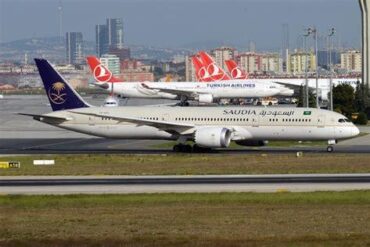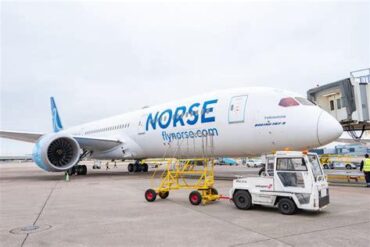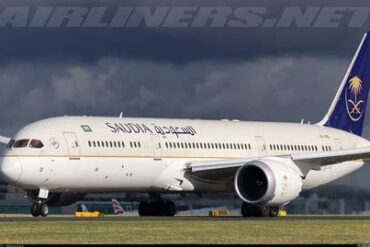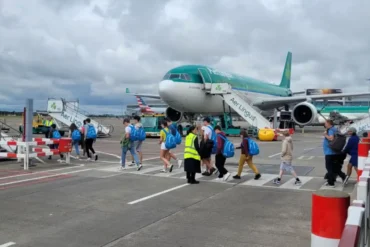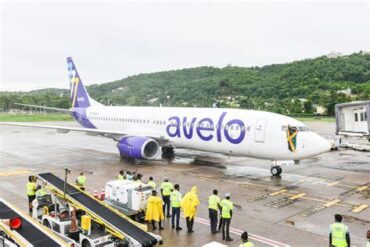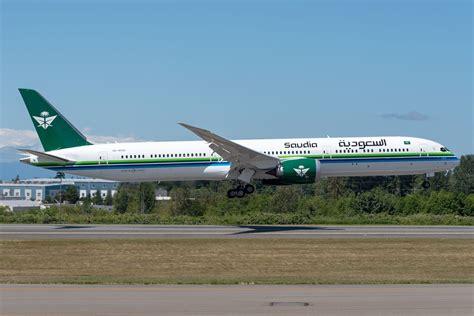
Saudi Arabia’s national carrier Saudia is advancing a bold, strategic move that signals a significant new chapter in transatlantic aviation. The airline’s latest filing to operate a direct route between Jeddah (JED) and Detroit Metropolitan Wayne County Airport (DTW) marks a potentially game-changing shift aimed at outpacing rivals like BermudAir, Norse Atlantic, Avelo, Allegiant Air, and Aer Lingus. Armed with the fuel-efficient Boeing 787 Dreamliner, Saudia’s calculated foray into the U.S. Midwest is more than just another route. It represents a key plank in powering Saudi Arabia’s Vision 2030, with aviation poised to drive national transformation in tourism, business, and global connectivity.
The decision to target Detroit is far from arbitrary. It reflects deep analysis of cultural ties, commercial potential, and alliance synergies that could give Saudia an upper hand in a fiercely competitive transatlantic market. As Saudia’s ambitions take wing, the move threatens to redraw the competitive map for mid-tier airlines serving U.S.–Europe routes, while also reshaping how Midwest travelers access the Middle East.
Why Detroit Emerged as Saudia’s Midwest Gateway
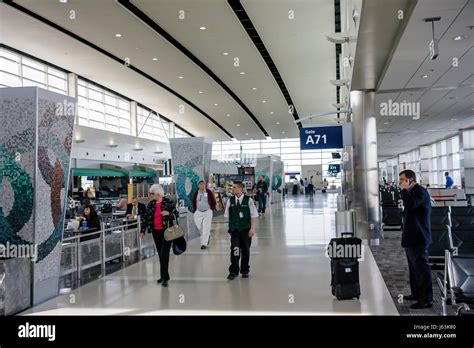
Detroit offers a strategic advantage that few U.S. cities can match in this context. Home to one of the largest Arab-American populations in the country, Detroit—and neighboring Dearborn, Michigan—stands as a cultural and economic bridge between the U.S. and the Middle East. For decades, the region’s Arab diaspora has nurtured ties to Saudi Arabia and beyond, creating a ready market for direct air service that connects family, business, and faith.
Moreover, Detroit’s status as a major hub for Delta Air Lines—a fellow member of the SkyTeam alliance—gives Saudia a crucial partner for onward domestic connections. Passengers arriving from Jeddah will gain seamless access to Delta’s vast U.S. network, allowing Saudia to offer comprehensive service coverage without the need for additional aircraft or infrastructure investment. This leverages alliance strength and amplifies the Detroit route’s potential impact far beyond its initial footprint.
The Power of the Boeing 787 Dreamliner in Saudia’s Expansion
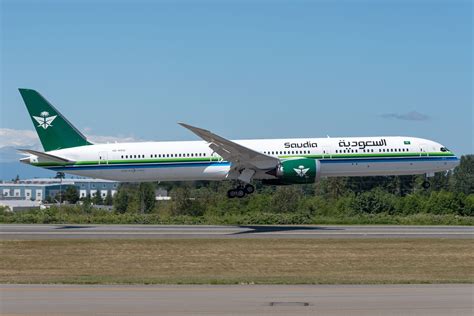
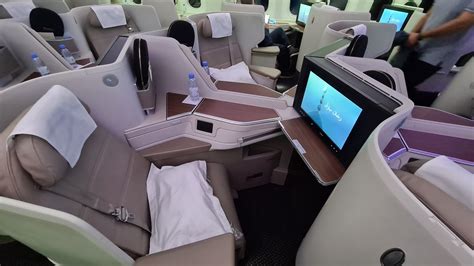
Central to Saudia’s U.S. expansion strategy is the Boeing 787 Dreamliner, specifically the 787-9 variant. With its combination of long-range capability, fuel efficiency, and passenger comfort, the Dreamliner is tailor-made for launching new transcontinental routes where risk mitigation is key. The aircraft’s two-class configuration, seating nearly 300 passengers, is designed to serve both premium and economy segments effectively on the 6,600-mile journey from Jeddah to Detroit.
Saudia’s international fleet already includes more than 50 Boeing 787s across the -9 and -10 series, giving the airline substantial operational flexibility. The choice of aircraft underscores Saudia’s commitment to deploying modern, efficient jets capable of supporting the Kingdom’s Vision 2030 mission of transforming Saudi Arabia into a global aviation and tourism hub.
Vision 2030 and the Strategic Importance of U.S. Market Expansion
Saudia’s Detroit move aligns seamlessly with the Kingdom’s broader Vision 2030 objectives. Vision 2030 is not merely a domestic development plan; it is a bold blueprint to reposition Saudi Arabia as a destination for business, tourism, and global commerce. Aviation, as a key pillar, plays an outsized role in achieving these goals by improving connectivity, attracting foreign investment, and facilitating cultural exchange.
Expanding into underserved U.S. regions like the Midwest reflects Saudia’s commitment to this vision. Detroit’s inclusion would fill a critical gap in the airline’s North American network, complementing existing service to New York (JFK), Washington D.C. (IAD), Los Angeles (LAX), and Toronto (YYZ). Such expansion not only increases the airline’s competitive edge but also supports religious tourism by offering new options for pilgrims from the Midwest heading to Mecca.
A Calculated Bet: Community, Commerce, and Connectivity
Detroit represents a synergistic target for Saudia because of its blend of cultural significance and commercial opportunity. The city’s Arab-American community is one of the most established and economically vibrant in the U.S., with longstanding ties to the Kingdom. This pre-existing relationship ensures that demand for the Jeddah-Detroit route will not have to be built from scratch; rather, Saudia can tap into an eager base of passengers who already see value in direct service.
In addition, the collaboration with SkyTeam partner Delta will enable Saudia to offer integrated itineraries, making Detroit an effective launching point for travelers destined for other parts of the U.S. The planned route embodies a smart, low-risk growth strategy: leveraging cultural affinity and alliance partnerships to minimize operational uncertainty while maximizing market penetration.
The Competitive Challenge: Outpacing BermudAir, Norse Atlantic, Avelo, Allegiant, and Aer Lingus
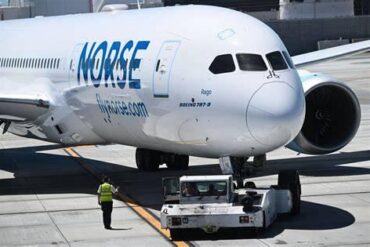
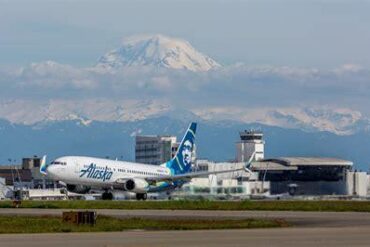
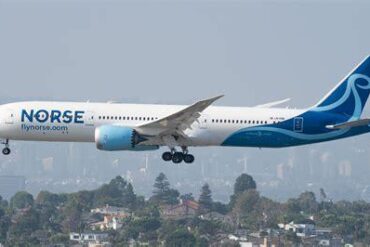
Saudia’s proposed Detroit service could prove disruptive for several competing airlines, especially those targeting the value-conscious transatlantic market. BermudAir, Norse Atlantic, Avelo, Allegiant Air, and Aer Lingus have sought to fill the demand for affordable transatlantic travel between mid-tier U.S. cities and Europe. However, none currently offer direct service linking the Midwest to the Middle East with the scale, comfort, or network advantages Saudia can bring to bear.
Where low-cost transatlantic players rely heavily on price to attract passengers, Saudia’s offering will combine competitive fares with the superior onboard experience of the Dreamliner and the added value of SkyTeam’s extensive network. This could lure passengers who previously opted for indirect routings via European or Gulf hubs, positioning Saudia as the preferred carrier for Midwest–Middle East travel.
Slot Filings and Market Realities: From Intent to Implementation
It is important to note that Saudia’s filing for Detroit service represents an intention, not yet a confirmed launch. Airlines routinely apply for airport slots as part of broader planning strategies, and Saudia itself has previously filed for cities like Atlanta and Miami without ultimately inaugurating service. Nevertheless, the Detroit filing stands out for how well it aligns with Vision 2030, alliance strategies, and regional demand characteristics.
The upcoming Winter 2025 season will be pivotal. Should Saudia proceed with the launch, Detroit will mark a milestone in the carrier’s North American growth story—one that reflects both ambition and calculated risk. If successful, it could serve as a template for future expansions into other underserved U.S. regions where cultural and commercial ties to the Kingdom are strong.
The Road Ahead: Saudia’s Detroit Route as a Catalyst for Broader Change
The potential Detroit route symbolizes more than just the addition of another dot on Saudia’s route map. It represents a deliberate attempt to reshape global aviation patterns, offering Midwest passengers direct access to the Kingdom and beyond. For Detroit, the route promises fresh opportunities in tourism, business, and cultural diplomacy—strengthening the city’s position on the global stage.
For Saudia, it marks another step toward redefining the Kingdom’s aviation sector, fulfilling Vision 2030’s promise, and demonstrating that the airline is not just following the trends of global aviation but setting them. As the industry watches closely, Saudia’s strategy offers a compelling case study in how national carriers can blend modern fleet technology, alliance strength, and cultural connectivity to outmaneuver competitors and capture new markets.
Eyes now turn to whether the airline will greenlight this visionary route, ushering in a new era of connectivity between Detroit and the Middle East—an era powered by the Dreamliner and driven by the ambition of a Kingdom in transformation.