Iberia, Spain’s flagship airline, has unveiled an ambitious €6 billion investment under its Flight Plan 2030, charting a transformative course for growth and operational excellence over the next several years. This strategic initiative aims to achieve an annual profitability between 13.5% and 15%, positioning Iberia to compete vigorously in the global aviation arena while enhancing its service offerings and customer experience.
Fleet Expansion and Renewal
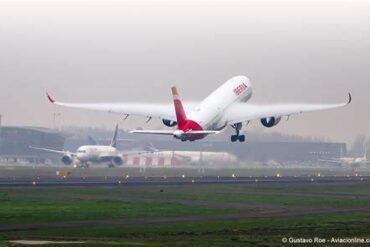
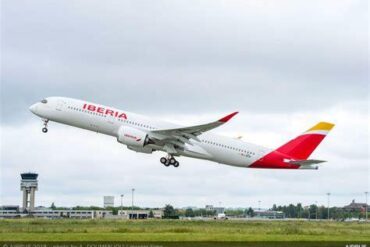
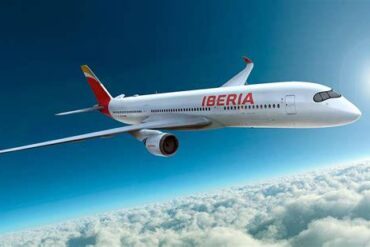
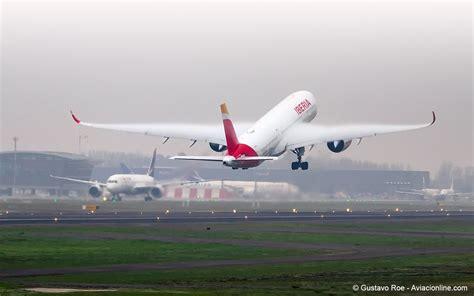
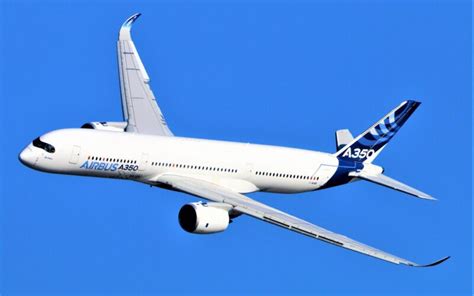
At the heart of Iberia’s Flight Plan 2030 is a significant expansion of its long-haul fleet. Currently operating 45 long-haul aircraft, Iberia plans to bolster this number to 70 by the end of the decade. This ambitious fleet expansion will be realized through orders for new Airbus A350s, A321XLRs, and potentially A330NEOs, all of which will be incorporated into the larger International Airlines Group (IAG) fleet. These modern aircraft are not only designed to increase capacity but also to reduce emissions and enhance fuel efficiency, aligning with Iberia’s commitment to achieving net-zero emissions by 2050.
Moreover, the airline is set to modernize its short- and medium-haul operations. By replacing older aircraft with the latest A320 and A321 NEOs, Iberia is taking significant strides toward sustainability and reducing its carbon footprint, in accordance with European aviation standards and global environmental objectives.
Network Expansion and New Routes
As part of its ambitious growth strategy, Iberia is focused on expanding its global network significantly. The introduction of new destinations such as Toronto, Philadelphia, and Monterrey will complement recent expansions to cities like Recife, Fortaleza, and Orlando. These new routes are strategically chosen to enhance Iberia’s connectivity between Spain and key regions in North America and Latin America. Furthermore, the enhancement of Madrid-Barajas Airport is pivotal in solidifying its status as a major hub for international travel.
Iberia’s expanded network promises improved connectivity, allowing passengers not only to access Iberia’s own destinations but also benefiting from the broader IAG network and its numerous airline partnerships. This strategic move will provide travelers with enhanced options and seamless connections across continents.
Customer Experience Enhancements
Enhancing the passenger experience is a cornerstone of Iberia’s Flight Plan 2030. The airline is dedicated to investing heavily in digitalization and artificial intelligence (AI) to personalize services and streamline operations, ultimately enriching the overall customer journey. As part of this initiative, Iberia plans to renovate 100% of its long-haul cabins, upgrading seating, in-flight entertainment, and connectivity to ensure that passengers enjoy the most comfortable and seamless experience possible.
The narrow-body aircraft will also see substantial upgrades, including an increase in carry-on baggage capacity through the introduction of XL luggage compartments. This enhancement addresses a common traveler concern and marks a significant improvement in the overall travel experience. Additionally, Iberia is expanding its ground services, which includes the opening of a new Premium lounge at Terminal 4 of Madrid-Barajas Airport, elevating the experience for premium passengers seeking comfort and exclusivity.
Development of Ciudad Iberia
In line with its ambitious expansion plans, Iberia is channeling resources into the development of Ciudad Iberia, a cutting-edge aeronautical innovation center located in La Muñoza. This state-of-the-art facility will not only serve as Iberia’s corporate headquarters but will also function as a hub for research and technological development, fostering innovation within the aviation sector.
The establishment of Ciudad Iberia is a strategic move aimed at enhancing operational efficiency, enabling the airline to better serve its customers and maintain competitiveness in a rapidly evolving global market. This innovative approach positions Iberia as a forward-thinking leader in the industry, dedicated to pushing the boundaries of aviation technology and service.
Job Creation and Economic Impact
Iberia’s Flight Plan 2030 is poised to have a profound impact on Spain’s economy. The airline plans to hire an average of 1,000 new employees per year, which is projected to contribute to the creation of approximately 250,000 direct, indirect, and induced jobs. This initiative is expected to inject around €19 billion annually into Spain’s GDP, marking a 42% increase compared to current economic contributions.
This significant investment in workforce development underscores Iberia’s commitment to boosting employment and actively contributing to the country’s economic growth. By prioritizing job creation, Iberia is not just enhancing its operational capabilities but also playing a crucial role in driving the broader economic landscape of Spain.
Social Responsibility: The Iberia Foundation
In a bid to further its positive social impact, Iberia is set to launch the Iberia Foundation coinciding with the airline’s centenary in 2027. This foundation will focus on initiatives aimed at supporting sustainability, education, and community development. The creation of this foundation emphasizes Iberia’s dedication to corporate social responsibility and its desire to make a meaningful contribution to society beyond its core business operations.
Conclusion
The Flight Plan 2030 represents a transformative chapter in Iberia’s storied history. With strategic investments in fleet expansion, enhancements in customer experience, technological innovation, and robust social responsibility initiatives, Iberia is positioning itself for sustained growth and success in the global aviation industry. The airline’s vision to strengthen Madrid-Barajas Airport as a leading hub, improve service offerings, and significantly contribute to Spain’s economy and job market solidifies Iberia’s status as a key player in the future of both European and global aviation.