ITA Airways has unveiled an ambitious 2026–2030 Business Plan aimed at transforming its long-haul capabilities and deepening its commitment to environmental sustainability. As Italy’s flag carrier positions itself for the next era of aviation, the strategy places emphasis on international growth, fleet modernization, and strategic alignment with Lufthansa Group, all while doubling down on its responsibility to the environment and society.
The airline’s approach is not merely incremental; it’s a decisive pivot toward a future-forward aviation model that acknowledges the shifting dynamics of passenger expectations, regulatory frameworks, and competitive landscapes.
Reasserting Market Leadership Through Strategic Expansion
At the heart of ITA Airways’ 2026–2030 vision is a clear objective: to secure its place as Italy’s leading international airline, reflecting a dual focus on efficiency and innovation. By leveraging Italy’s robust tourism and trade sectors, the airline aims to amplify its market presence across key intercontinental destinations.
The company’s blueprint identifies Rome Fiumicino as the pivotal hub for this expansion. From this base, ITA Airways will launch new long-haul routes to North America, South America, Asia, and Africa, capitalizing on Italy’s position as a global crossroads of commerce and culture. These connections are not simply about passenger volume—they’re about stitching Italy more tightly into the global economic fabric.
Each new route represents more than expanded reach; it also reflects a calculated move to access high-growth regions. For example, direct routes to Asia’s booming tech markets, South America’s emerging economies, and Africa’s resource-driven hubs all hold promise for commercial aviation growth. These corridors will help catalyze two-way exchanges—economic, cultural, and human.
Next-Generation Fleet: The Backbone of a Greener Airline
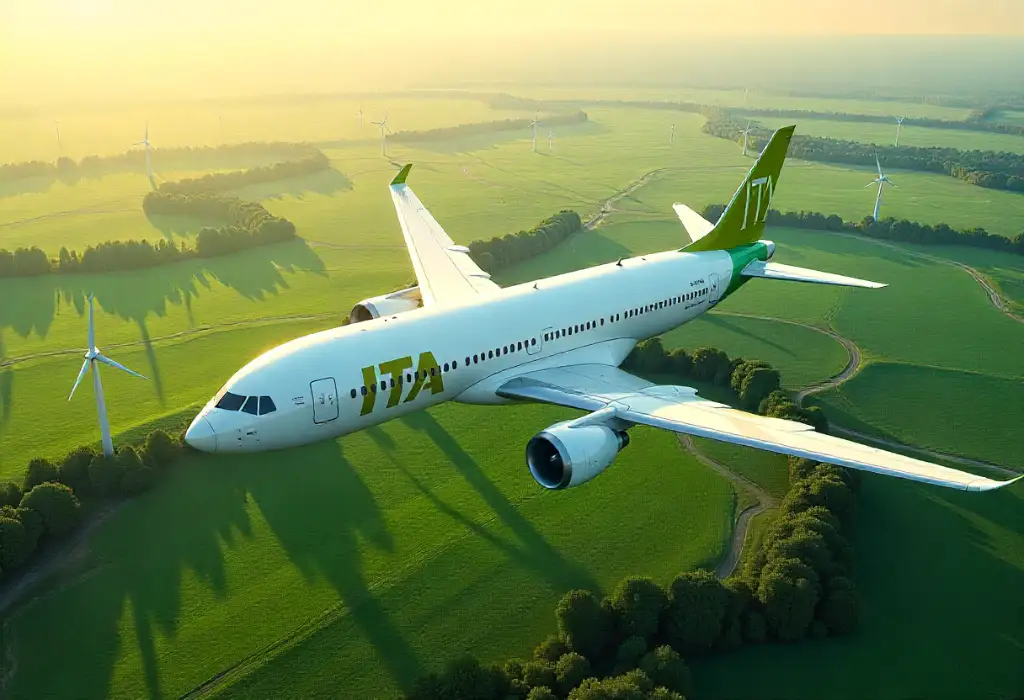
In line with its eco-conscious ethos, ITA Airways is making aggressive investments in fleet modernization. Starting in 2026, the airline will induct one new long-haul aircraft per year, targeting a fully upgraded intercontinental fleet by 2030. These aircraft will be next-generation models, significantly more fuel-efficient and designed to curb carbon emissions.
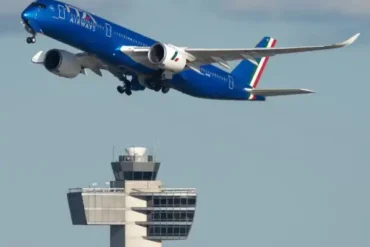
This transformation will be anchored by aircraft like the Airbus A350-900, which ITA has already started deploying. These jets offer up to 25% less fuel burn and CO2 output compared to older long-haul aircraft, aligning with the company’s goals of climate responsibility and cost efficiency.
In tandem, ITA Airways is also working to enhance ground operations and maintenance practices to complement airborne efficiency. By integrating new digital tools and predictive maintenance, the airline will reduce aircraft downtime and further lower its environmental footprint.
Sustainability as a Corporate Imperative
Environmental stewardship is no longer optional—it’s imperative. ITA Airways is embedding sustainability across its business functions, from aircraft acquisition to catering services. The goal is not only to comply with EU regulations but to lead by example in a high-emission industry.
Key elements of ITA’s sustainability strategy include:
- Fleet renewal with lower-emission aircraft
- Optimized flight paths to reduce fuel consumption
- Use of Sustainable Aviation Fuels (SAF) where available
- Reduction in single-use plastics onboard
- Enhanced recycling and waste management systems
These initiatives feed into the broader EU aviation roadmap, supporting Italy’s national climate commitments while ensuring the airline remains competitive in eco-conscious consumer markets.
Tapping into Lufthansa Group Synergies
An essential pillar of the 2026–2030 strategy is the deepening partnership with Lufthansa Group. This collaboration provides ITA Airways with access to advanced aviation infrastructure, joint procurement systems, and shared innovation platforms. More importantly, it offers a robust route-sharing architecture that dramatically enhances global reach.
Lufthansa’s expertise in managing large-scale international operations will complement ITA’s ambitions, while ITA brings a strong southern European footprint to the table. The result is a mutually reinforcing alliance, optimized for both scale and specialization.
Integration into the Star Alliance network, expected by early 2026, will further accelerate this process. The move allows for expansive codeshare agreements and seamless interline connections. Passengers will benefit from unified check-ins, harmonized loyalty programs, and greater global consistency in service.
Loyalty programs, particularly Volare and Lufthansa’s Miles & More, will merge at operational levels to create tiered incentives for frequent flyers. This expanded rewards ecosystem aims to improve customer retention and increase the airline’s share of premium travelers.
Human Capital and Organizational Modernization
A modern airline requires a modern workforce. ITA Airways is initiating a comprehensive talent development program to support its rapid operational scale-up. Beginning in 2026, the company will expand its workforce, focusing on recruiting and training in areas such as digital systems, customer experience, and sustainable aviation technologies.
The goal is to foster a culture of inclusivity, technical excellence, and mission alignment, especially as the airline begins operating more complex long-haul schedules. Employees will receive ongoing upskilling opportunities, with performance incentives aligned with both operational outcomes and sustainability metrics.
By nurturing a skilled and motivated workforce, ITA aims to improve service delivery and fuel internal innovation—two aspects essential to surviving in a hypercompetitive aviation landscape.
Positioning Italy as a Global Aviation Powerhouse
ITA Airways’ transformation is more than an internal evolution—it’s a national strategy for connectivity. By expanding Italy’s access to global destinations, the airline plays a vital role in strengthening the country’s economic diplomacy, cultural exports, and international investments.
The airline’s capacity to link Italian cities to emerging and established global markets supports tourism, enables trade logistics, and builds new alliances. With Rome Fiumicino at the center of its long-haul architecture, Italy is poised to become a more influential gateway to Europe—and from Europe to the world.
Furthermore, these efforts align with broader EU aviation goals, particularly the Fit for 55 package, which mandates sweeping reforms in airline carbon footprints. ITA Airways’ preemptive alignment with such frameworks places it ahead of regulatory curves, a tactical advantage in years to come.
2026–2030: A Decisive Half-Decade for ITA Airways
The five-year business plan sets ITA Airways on a course that is as bold as it is necessary. Facing global competition, evolving passenger expectations, and ecological pressures, the airline is placing long-term bets on sustainability, fleet modernization, and network expansion.
Each strategic move—from acquiring low-emission aircraft to partnering with Lufthansa and entering Star Alliance—creates a synergistic framework that builds resilience and scale. The careful attention to workforce development ensures these ambitions are backed by operational readiness.
As ITA Airways lifts off into its 2026–2030 trajectory, it does so not just as an airline but as an engine of Italian innovation, diplomacy, and sustainability. The roadmap is audacious, yet grounded in tactical realism—exactly the combination needed to thrive in the new age of global aviation.