Mauritius, an idyllic island in the Indian Ocean, has emerged as a leader in sustainable tourism, successfully combining eco-friendly practices with growth in the hospitality sector. Despite global challenges, the island continues to attract eco-investment due to its collaborative efforts between the government, industry players, and the real estate sector. Here’s an overview of Mauritius’ sustainable tourism initiatives and future plans.
Government Commitment to Sustainability
The government of Mauritius has set a clear path for the country to become a “green destination” by 2030. This long-term goal includes:
- Reducing Environmental Impact: Efforts are focused on minimizing the negative effects of tourism, including pollution and the overuse of natural resources.
- Enhancing Positive Contributions: Key areas include promoting nature conservation, cultural preservation, and supporting local communities. These initiatives align with global sustainability goals, positioning Mauritius as a responsible and forward-thinking tourism destination.
The commitment to sustainability is not merely a matter of policy but is deeply integrated into the national identity of Mauritius. The government actively engages in dialogues with various stakeholders, ensuring that every action taken resonates with the overarching goal of environmental stewardship. This proactive approach has garnered international attention, encouraging foreign investments in eco-friendly projects that will benefit both the economy and the environment.
Real Estate Developments and Green Building Practices
Real estate and infrastructure projects in Mauritius are also aligning with sustainability goals. New developments, particularly in the tourism sector, incorporate energy-efficient designs and renewable energy sources, significantly reducing the carbon footprint. The trend towards green building principles is transforming the landscape of the island, creating a harmonious balance between development and nature.
Eco-Friendly Accommodations
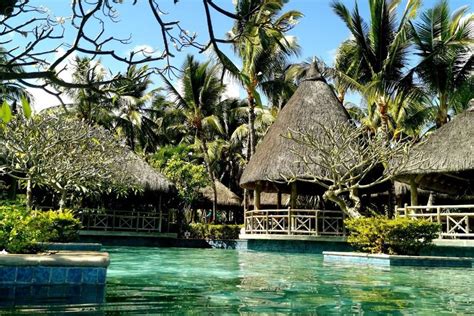
Sustainable resorts and hotels are being built with eco-conscious travelers in mind, attracting those seeking green luxury experiences. These accommodations not only support the tourism industry but also contribute to reducing environmental impacts. By integrating elements such as solar panels, rainwater harvesting systems, and sustainable materials, these establishments are setting new standards for what it means to provide a luxury experience in an environmentally responsible manner.
Promoting Eco-Tourism
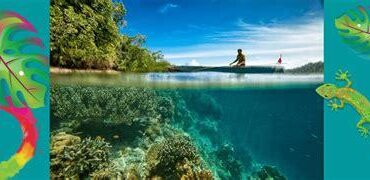
Mauritius has made eco-tourism a central part of its tourism strategy. This approach focuses on preserving the island’s unique natural resources while offering visitors a sustainable travel experience. The government actively encourages practices that ensure both visitors and locals can benefit from the island’s breathtaking environment without compromising its integrity.
Cultural Preservation
Efforts are made to respect and protect local culture through community-based tourism and authentic local experiences. By engaging with local communities, the government ensures that tourism contributes positively to the social fabric of the island. Visitors are encouraged to immerse themselves in the rich cultural heritage of Mauritius, which not only enhances their travel experience but also provides economic benefits to local artisans and businesses.
Eco-Label Certifications
Hotels and resorts are encouraged to obtain certifications like Green Globe, ensuring they meet sustainable tourism standards. These certifications act as a badge of honor for establishments that prioritize eco-friendly practices, making it easier for travelers to choose accommodations that align with their values.
Government Initiatives for Sustainability
Mauritius’ government continues to implement various initiatives to support sustainable practices. Among these initiatives are:
- Banning Single-Use Plastics: This measure aims to significantly reduce pollution and waste, particularly in coastal areas that are vital to marine life.
- Promotion of Renewable Energy: The government encourages the use of solar and wind power in hotels, resorts, and other tourism-related infrastructure, aiming for a significant reduction in reliance on fossil fuels.
- Local Sourcing: Encouraging businesses to source locally reduces carbon emissions linked to imported goods and supports the local economy.
- Eco-Label Support: Hotels that adhere to sustainability standards, such as Green Globe, are promoted and supported.
These efforts not only contribute to environmental protection but also help maintain Mauritius’ status as a responsible tourism destination, showcasing its commitment to sustainable practices on a global stage.
Industry Collaboration: Key Players in Sustainable Hospitality
The hospitality sector is a crucial part of Mauritius’ sustainable tourism strategy, with major hotel chains aligning with eco-conscious practices. Marriott International and Radisson Hotel Group are at the forefront of this movement.
Marriott International
Jugal Khushalani, Senior Director of Development for Sub-Saharan Africa, notes that Mauritius has evolved into a high-value destination, offering luxury experiences alongside wellness programs and environmental initiatives. The brand’s commitment to sustainability is evident in its operations, where eco-friendly practices are integrated into every aspect of the guest experience.
Radisson Hotel Group
Ramsay Rankoussi, Vice President of Development, emphasizes the opportunity for eco-certified hotels and community-integrated experiences. Radisson is committed to expanding its sustainable offerings in Mauritius and other Indian Ocean islands, providing travelers with options that align with their environmental values.
These industry leaders are helping set the standard for sustainable hospitality in the region, responding to the growing demand for eco-conscious travel. As consumers become increasingly aware of their environmental impact, the importance of sustainable practices in hospitality cannot be overstated.
Ecotourism Focus for 2025-2029
Mauritius’ government program for 2025-2029 emphasizes ecotourism as a key component of the island’s future. The focus is on:
- Encouraging Eco-Friendly Practices: Local businesses and hotels are encouraged to adopt sustainable practices that benefit the environment and the community.
- Community-Based Tourism: The program promotes tourism that directly benefits local communities, offering visitors authentic experiences while supporting the island’s economy.
Through these programs, Mauritius aims to boost its ecotourism sector while ensuring the sustainability of its tourism industry. By fostering partnerships between local governments, businesses, and communities, the island is paving the way for a future where tourism thrives alongside environmental preservation.
Conclusion: Mauritius as a Sustainable Tourism Leader
Mauritius has firmly established itself as a leader in sustainable tourism, with government policies, industry support, and real estate developments all aligned toward making the island a “green destination” by 2030. The country’s focus on eco-tourism, luxury eco-resorts, and community-based experiences is helping it stand out as a responsible, forward-thinking destination for travelers. As the world becomes more eco-conscious, Mauritius is set to lead by example, proving that tourism can be both profitable and sustainable. The collaborative efforts between the government, hospitality sector, and local communities exemplify what can be achieved when a shared vision for sustainability is pursued with determination and passion.