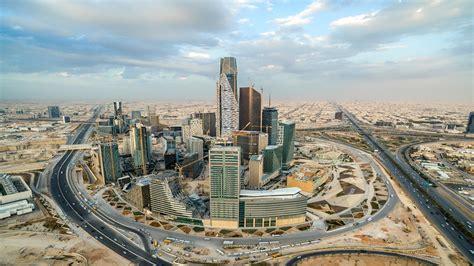
Riyadh’s commercial real estate market continues to demonstrate impressive resilience and growth in the second quarter of 2025, fueled by strong economic fundamentals, increasing foreign investments, and a growing interest from global companies seeking prime office spaces. This remarkable momentum highlights the city’s position as a central hub for business activity in Saudi Arabia, bolstered by both domestic expansion and international attention.
A Snapshot of Riyadh’s Office Market in Q2 2025
According to the latest Riyadh Office Market in Minutes report by Savills, the city’s Grade A office space occupancy rate remains at an impressive 98%. In addition to this high occupancy, the market has experienced a notable year-on-year increase in average rents, which have risen by 10%. This growth signals a positive trajectory for Riyadh’s office market, driven by the city’s rapidly expanding commercial landscape.
A significant trend observed in the leasing activity is the growing demand for larger office spaces. In Q2 2025, 50% of leasing enquiries were for office spaces exceeding 1,000 square meters. This figure marks a sharp increase from just 28% of leasing enquiries in Q1 2025. This shift indicates that businesses are increasingly looking for more expansive office environments to accommodate their growing operations and larger teams.

The Dominance of the BFSI Sector in Leasing Activity
The banking, financial services, and insurance (BFSI) sector remains a dominant player in Riyadh’s office leasing market, accounting for 50% of all leasing transactions in Q2 2025. Legal services and pharmaceutical firms combined accounted for the remaining 50%, showcasing the diverse range of industries seeking office space in the capital. These sectors are leading the charge in Riyadh’s office leasing market, reflecting the city’s status as a critical business center for both local and multinational firms.
Interestingly, nearly 46% of Savills’ leasing enquiries in Q2 2025 came from companies based in the United States and the United Kingdom, underlining Riyadh’s rising profile among international businesses. This growing foreign interest further confirms Riyadh’s attractiveness as a strategic location for regional operations, supported by the city’s stable economic environment and ambitious long-term development plans.
Strong Economic Fundamentals Driving Market Demand
Saudi Arabia’s robust economic performance is playing a crucial role in supporting the strength of Riyadh’s office market. The Kingdom’s non-oil gross domestic product (GDP) saw an impressive rise of 4.9%, contributing to an optimistic outlook for the country’s economy. With an overall growth forecast of 3.5% for 2025, the Saudi economy remains resilient and positioned for sustained expansion.
In June 2025, the Purchasing Managers’ Index (PMI) reached its highest level since 2011, recording a value of 57.2. This strong figure indicates that the private sector is thriving, with hiring momentum building and business activity remaining strong. These factors contribute to the rising demand for office space in Riyadh, as companies look to expand their operations to capitalize on the country’s positive economic outlook.
Surge in Foreign Direct Investment
Another key driver of Riyadh’s commercial real estate market is the significant increase in foreign direct investment (FDI). In Q1 2025, Saudi Arabia attracted SAR 22.2 billion in FDI, a substantial increase from the SAR 15.5 billion recorded during the same period in 2024. This surge in foreign investments highlights Riyadh’s growing appeal to multinational companies looking to establish or expand their presence in the region.
As part of this trend, several high-profile multinational corporations, including BNY Mellon, the London Business School, ASPEN, and Globant, established regional headquarters in Riyadh during Q2 2025. These companies’ decision to set up operations in the city further demonstrates Riyadh’s attractiveness as a business hub and underscores the growing demand for premium office space in the capital.
Infrastructure Upgrades Enhancing Connectivity
Riyadh’s expanding infrastructure also plays a pivotal role in supporting the city’s office market. The Riyadh Metro, for example, recorded over 25 million passengers in Q1 2025, highlighting the growing importance of public transportation in improving connectivity across the city. These upgrades are enhancing access to key commercial zones, such as the King Abdullah Financial District (KAFD) and Olaya, making it easier for businesses and employees to navigate Riyadh’s bustling commercial landscape.
The increased accessibility to these key areas through the metro system not only supports the demand for office space but also bolsters the overall appeal of Riyadh as a business destination. As new developments continue to take shape, the city’s improved infrastructure will only enhance its status as a prime location for both local and international firms.
Rental Growth Remains Strong in Key Zones
Rental growth in Riyadh’s commercial real estate market continues to remain robust, with the highest rental increases observed in key locations across the city. For instance, Zone C experienced an impressive 15% year-on-year increase in rental rates, while Zone A followed closely behind with a nearly 11% rise in rents. These areas have seen strong demand due to their prime location, accessibility, and the overall economic momentum driving the office market.
Despite the sharp upward trend in rents, it is expected that the market may experience a slight softening of rental growth by late 2026. This potential slowdown is largely attributed to the influx of new Grade A office space, with more than 900,000 square meters of office space expected to be delivered through major developments such as Diriyah Gate and Misk City. While this increase in supply may place some downward pressure on rents, the overall market sentiment remains positive, and demand is expected to continue as businesses remain confident in the future of Riyadh’s economy.
Outlook for Riyadh’s Office Market: A Key Pillar of Vision 2030
Looking ahead, Riyadh’s office market is well-positioned to remain a central pillar of Saudi Arabia’s Vision 2030 ambitions. With strong business confidence, tight office supply, and growing multinational interest, the demand for office space in the city is expected to continue. Furthermore, as the Kingdom diversifies its economy and focuses on the development of non-oil sectors, Riyadh will increasingly play a pivotal role in attracting global companies and fostering a vibrant business ecosystem.
The government’s ongoing investment in infrastructure, economic diversification, and regulatory reforms is expected to further enhance Riyadh’s attractiveness to international businesses and investors. As more multinational companies establish operations in the city, the demand for Grade A office space will remain strong, supporting the long-term stability and growth of Riyadh’s commercial real estate market.
Conclusion: A Resilient Market Poised for Growth
Riyadh’s commercial real estate market in Q2 2025 reflects a dynamic and resilient economy, supported by robust demand for office space, increasing foreign investment, and a growing influx of multinational companies. With strong economic fundamentals, infrastructure improvements, and rising international interest, Riyadh’s office market looks set to remain a key component of Saudi Arabia’s broader economic transformation. As the city continues to evolve, the demand for high-quality office spaces will undoubtedly persist, solidifying Riyadh’s position as a leading business hub in the region.