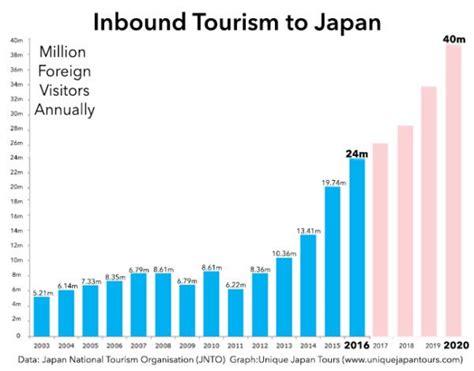
Japan has witnessed a remarkable surge in international tourism, reaching new heights in May 2025. The total number of overseas visitors soared to 3,693,300, marking an impressive 21.5% increase compared to the same month last year. This historic spike not only sets a new record for May but also emphasizes Japan’s growing allure as a premier travel destination in Asia, captivating the attention of global travelers eager to explore its rich cultural heritage and stunning landscapes.
This surge in visitor numbers is indicative of Japan’s strong recovery from the global travel restrictions imposed during the pandemic. With a cumulative count of 18,140,100 international tourists from January to May 2025, the country has significantly surpassed the previous high of 14,641,780 recorded during the same period in 2024. Such numbers highlight a revitalized interest in travel to Japan, reflecting both the country’s robust tourism infrastructure and the eagerness of international travelers to experience its unique offerings.

The primary contributors to this remarkable growth include travelers from mainland China, Taiwan, and the United States. Many of these visitors arrived for leisure vacations or as part of cruise ship itineraries, further showcasing Japan’s appeal. The influx of tourists has rejuvenated local economies, providing a much-needed boost to businesses reliant on tourism. As more people venture to Japan, the country is solidifying its position as one of the most sought-after destinations, characterized by its diverse attractions ranging from vibrant cityscapes to serene natural vistas.
While the overall trend is overwhelmingly positive, there are nuances to consider. Notably, the number of visitors from Hong Kong experienced an unexpected decline of 11.2%, dropping to 193,100 in May. This downturn appears to stem from social media rumors regarding potential seismic activity in Japan, demonstrating how misinformation can impact tourism. The situation serves as a reminder of the delicate balance between public perception and travel behavior, emphasizing the importance of maintaining a positive image in the digital age.
In terms of individual contributions from various countries, South Korea led the charge with 825,800 visitors, marking an 11.8% increase. Close behind was mainland China, with 789,900 visitors—a staggering 44.8% rise compared to the previous year. Other notable contributors included Taiwan, with 538,400 travelers (up 15.5%) and the United States, sending 311,900 visitors—a 26.3% increase from last year. These figures illustrate the geographic diversity of Japan’s inbound tourism, underscoring the country’s broad appeal across different regions.
The implications of this tourism surge extend beyond mere numbers; they are poised to reshape the entire travel industry. Airlines, cruise operators, and hospitality businesses are gearing up to meet the escalating demand, potentially leading to expanded services and increased flight routes. This growth is particularly pronounced among neighboring Asian countries and North America, reaffirming Japan’s role as a central hub in the region for international travelers. Furthermore, other global destinations may be prompted to reassess their tourism strategies to remain competitive in light of Japan’s resurgence.
Another noteworthy aspect of this influx is the increasing importance of cruise tourism in Japan. A significant portion of the new visitors arrived via cruise ships, highlighting the rising prominence of Japan’s port cities on the global cruise circuit. As cruise tourism continues to flourish, Japan can expect enhanced port infrastructure, more frequent cruise stops, and a broader distribution of tourist traffic across its coastal regions. This shift will help alleviate the burden on major tourist hotspots while fostering economic growth in lesser-known areas.
For travelers worldwide, Japan’s burgeoning popularity translates into a plethora of benefits. Increased flight routes, diverse accommodation options, and tailored tourist services are set to enhance the overall travel experience. However, with rising demand also comes the potential for challenges, such as overcrowding at popular attractions and increased prices during peak seasons. This new wave of interest may encourage travelers to explore off-the-beaten-path destinations within Japan, contributing to a more balanced tourism economy that offers richer experiences beyond the typical tourist trail.
As Japan’s tourism infrastructure adapts to accommodate this growth, travelers can anticipate smoother transportation networks and improved hospitality services, reflecting the nation’s commitment to providing high-quality visitor experiences. Moreover, this rebound in tourism mirrors a larger global trend of returning to normalcy in international travel after years of uncertainty. Such renewed confidence is likely to inspire a wave of adventurous travel, encouraging people to discover destinations that had previously felt inaccessible.
In conclusion, Japan’s record-breaking visitor numbers in May 2025 signify a significant resurgence in international tourism. Driven by substantial contributions from key markets like China, Taiwan, South Korea, and the United States, the country’s status as a global travel hotspot is stronger than ever. Despite some setbacks, such as the decline in Hong Kong tourism, the overall outlook remains optimistic. The ripple effects of this trend will undoubtedly influence future travel strategies and how people plan their journeys in the months and years to come. Japan’s ability to attract such a diverse range of visitors underscores its unique blend of tradition and modernity, making it a destination that continues to captivate hearts and minds around the globe.