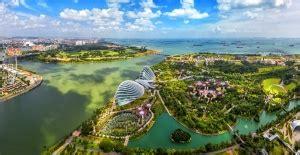
Singapore’s tourism sector has roared back to life, with over 1.37 million international visitors recorded in May 2025, a remarkable 7.6% increase from the same month last year. This surge reflects the success of the nation’s strategic tourism planning and underscores the continued importance of China, India, and Indonesia as core regional contributors to Singapore’s post-pandemic tourism rebound.
This growth momentum, supported by targeted travel incentives, world-class infrastructure, and Singapore’s enduring appeal as a premium destination, places the city-state firmly on track to exceed 16 million international visitors by year-end, surpassing its pre-pandemic benchmarks.
China Leads the Charge in Visitor Recovery
China remains the top source market for Singaporean tourism in 2025, benefiting from a robust travel corridor built upon strong diplomatic and logistical links. The mutual 30-day visa exemption agreement between Singapore and China has significantly eased travel for Chinese citizens, stimulating a marked increase in inbound travel.
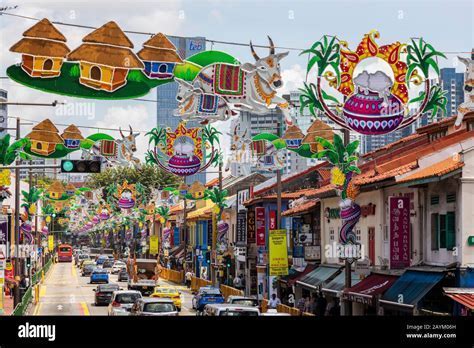
Between January and May 2025, Chinese visitor numbers reached 91.2% of 2019 levels, showcasing a near-complete recovery. More notably, these visitors are reshaping their travel behavior. Instead of traditional shopping sprees, a growing share of Chinese tourists now seek authentic, experiential travel — from culinary adventures in hawker centers to heritage walks through Chinatown and Kampong Glam.
Their economic impact remains profound, especially in the hospitality, retail, and food and beverage sectors, where Chinese tourists consistently rank among the top spenders. Their presence not only fuels demand across service sectors but also drives the expansion of multilingual offerings and curated experiences in Mandarin.
India and Indonesia: Steadfast Regional Allies in Tourism Growth
India and Indonesia maintain their positions as Singapore’s second and third largest visitor markets, contributing to a robust flow of tourists that stabilizes and sustains inbound numbers.
India’s numbers saw a slight year-on-year dip of 1.4% in May 2025, yet the market’s value remains high. Indian travelers often favor longer stays, with the average duration at 6.37 days, the highest among major source countries. This trend fuels sustained economic contributions across lodging, entertainment, and luxury retail sectors.
Meanwhile, Indonesia continues to thrive as a reliable tourism partner. Shared cultural affinities and a wealth of direct flight connections make travel between the two countries both convenient and frequent. Indonesian visitors balance both business and leisure motives, further expanding the demand for hotels, fine dining, and corporate event venues in Singapore.
The strategic proximity of these neighboring giants ensures a steady baseline of regional tourism activity, allowing Singapore to buffer against fluctuations from long-haul markets and global uncertainties.
Visitor Volume Surpasses 7 Million by May: A Steady Climb
From January to May 2025, Singapore recorded 7.09 million arrivals, representing a 2.3% increase from the same period last year. This trajectory reflects a stable, upward path driven by the nation’s deep focus on sustainability, innovation, and cultural integration in tourism planning.
More than just a numerical rebound, this resurgence signifies a qualitative evolution in travel behavior. Today’s tourists increasingly seek eco-conscious choices, immersive local interactions, and wellness-centric getaways. Singapore’s ability to deliver on these fronts through green urban design, community tourism, and world-renowned hospitality gives it a decisive edge.
Event-Driven Tourism and the Road to 16 Million Visitors
With the second half of 2025 packed with major international events, Singapore’s tourism outlook is poised for continued acceleration. The World Travel & Tourism Council (WTTC) forecasts a total of 16 million international arrivals by year-end — a 9.6% increase over 2019’s peak levels.
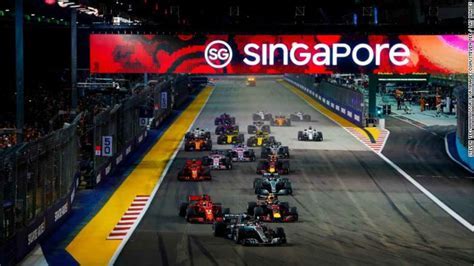
Driving this surge are world-class events like the Formula 1 Singapore Grand Prix, which draws tens of thousands of international spectators each year. Alongside global music festivals, trade exhibitions, and high-profile conventions, these occasions transform Singapore into a magnet for both leisure and business travelers.
The dual-purpose appeal of Singapore — as both a premier leisure hotspot and a global business hub — allows it to tap into multiple visitor segments. It continues to appeal to digital nomads, family travelers, luxury seekers, and event participants alike.
Transformative Infrastructure: A Foundation for Tourism Excellence
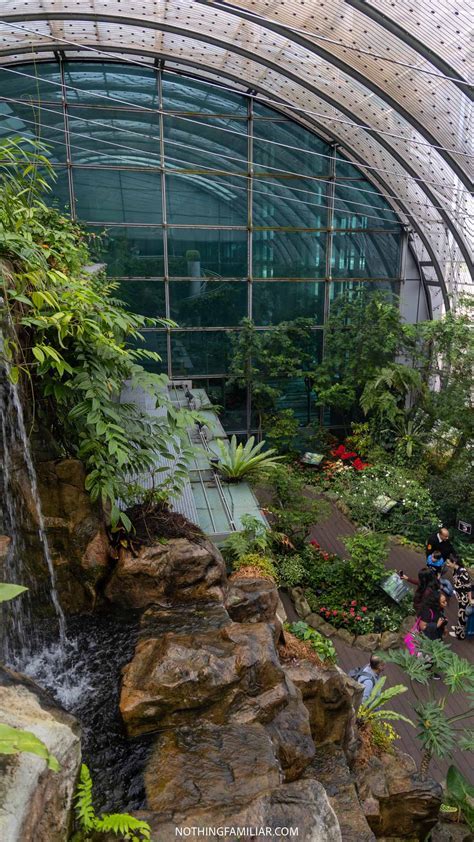
Singapore’s infrastructure keeps pace with its rising global profile. Central to this is Changi Airport, which remains one of the world’s highest-rated airports for cleanliness, convenience, and user experience. From automated immigration clearance to immersive retail zones and themed gardens, Changi is often a destination in itself.
A series of hospitality sector upgrades also signal the city’s readiness for the future. Several high-end hotel openings and property refurbishments in 2025 now cater to the evolving tastes of digital-savvy, wellness-oriented travelers. From rooftop infinity pools to AI-enhanced concierge services, Singapore’s hospitality scene balances luxury with personalization.
Meanwhile, the ambitious Resorts World Sentosa 2.0 development is unfolding as a multi-billion-dollar transformation that aims to revamp the integrated resort’s offerings. Set to introduce new attractions, immersive dining, and experiential entertainment zones, this megaproject will further enhance Sentosa’s draw as a lifestyle and tourism epicenter.
Singapore’s Tourism Strategy: Resilience and Reinvention
The sustained success of Singapore’s tourism sector is not accidental. It is the product of a strategic national approach, centered on resilience, regional cooperation, and constant reinvention. The Singapore Tourism Board’s (STB) commitment to diversifying tourism products, strengthening international partnerships, and fostering innovation ensures the country remains ahead of the curve.
By leveraging emerging travel trends, such as sustainable tourism, digital experiences, and wellness journeys, Singapore has built a multi-dimensional tourism offering that resonates with modern global travelers. Initiatives like eco-certifications for hotels, smart city integrations, and support for heritage preservation further elevate the city’s value proposition.
Moreover, the STB’s targeted campaigns — such as influencer partnerships, localized content marketing, and multilingual digital outreach — enable Singapore to remain top-of-mind for diverse audience segments across Asia and beyond.
Confidence in Singapore: Safety, Trust, and Efficiency
In a post-pandemic world where trust and reliability are paramount, Singapore continues to shine. It boasts a low crime rate, world-leading public hygiene standards, and efficient governance, all of which are deeply valued by international travelers.
Families, in particular, favor Singapore for its cleanliness, green spaces, and child-friendly attractions, while business travelers appreciate the seamlessness of transport, digital infrastructure, and world-class MICE (Meetings, Incentives, Conferences, and Exhibitions) facilities.
As a result, Singapore has built an image not only as a place to visit — but a place where travelers feel safe, welcome, and valued. This confidence translates directly into high satisfaction scores, repeat visits, and word-of-mouth recommendations.
Conclusion: A Resurgent Lion City on the Global Stage
With over 1.37 million visitors in May 2025, Singapore is not just recovering — it is redefining regional travel excellence. Anchored by powerhouse neighbors China, India, and Indonesia, and amplified by visionary planning and world-class execution, the city-state is carving out a commanding position in the global tourism landscape.
As the rest of 2025 unfolds, all indicators point toward a record-breaking year, backed by infrastructure expansion, event-driven momentum, and a tourism strategy that embraces the future. From first-time travelers to seasoned globetrotters, Singapore offers not just a destination, but an experience — immersive, efficient, and unforgettable.