Spain’s domestic tourism landscape is undergoing a significant transformation as escalating costs force locals to seek alternative vacation spots away from traditional coastal and urban hotspots. While foreign visitors continue to flock to Spain, the increase in hotel prices and rental rates has created a widening gap between local residents and international tourists. Recent statistics reveal a stark decline in domestic tourism, with 800,000 fewer Spaniards visiting the country’s top 25 coastal destinations in 2024 compared to the previous year, alongside a drop of 400,000 visitors to major Spanish cities. This shift underscores a growing crisis in domestic tourism, prompting many Spanish families to explore less-traveled regions in search of affordability.
The surge in foreign tourism is notable, with 1.94 million additional international tourists arriving in Spain’s coastal areas, resulting in a total increase of 3 million more visitors to Spanish cities. This influx underscores Spain’s position as the second most visited country in the world, trailing only France. However, this dynamic creates a paradox where locals find it increasingly challenging to enjoy their own country’s offerings. The primary driver behind this change in travel habits is the dramatic rise in lodging costs. Over the past three years, the average price for a night’s stay in a Spanish hotel has increased by 23%, now averaging 136 euros ($159). In parallel, short-term rental prices along the coast have soared by 20.3% since 2023, making traditional beach vacations prohibitively expensive for many.

As summer approaches, beach rentals are disappearing rapidly, often booked out by March, leaving locals with limited options. Consequently, popular yet costly regions like Catalonia and the Balearic Islands are witnessing a decline in domestic visitors, while areas such as Andalucía and Castile and León are experiencing an influx of tourists seeking more affordable alternatives. This trend highlights a significant shift in how Spaniards approach their holiday plans, as they gravitate towards lesser-known destinations that offer more value.
The accessibility of remote areas has encouraged this exodus from congested urban centers, allowing families to discover the charm of Spain’s rural landscapes and agricultural regions. As the government aims to promote these hidden gems, the Minister of Tourism, Jordi Hereu, has initiated campaigns encouraging both domestic and international travelers to explore lesser-visited locales. “If we want to continue leading in international tourism, we need to spread the visitors out more among our destinations,” Hereu stated, emphasizing the importance of decentralizing tourism.
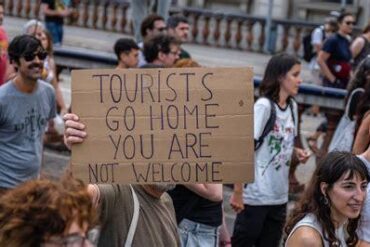
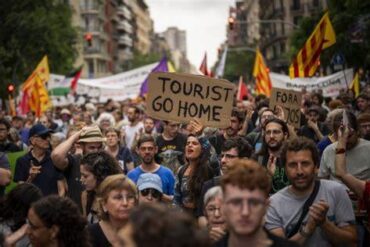
Despite these efforts, the challenge remains in making these inland destinations accessible and appealing to tourists. Demonstrations against overtourism have largely focused on the impacts of overcrowding and the commercialization of local cultures, leaving the struggle of local residents to afford vacations in their own country largely unaddressed. For instance, expatriates in areas like Moraira have noted that many homes remain vacant for most of the year, with rentals predominantly occupied by foreign visitors. It is estimated that during peak season, up to 70% of beachgoers in some areas are non-Spanish, exacerbating the feelings of disconnection among locals.
In a broader context, this phenomenon is not unique to Spain. Similar trends are observed in countries like the UK, where rising holiday costs have made local vacations unaffordable for many. Increasingly, travelers are exploring destinations abroad, with some finding that trips to countries like Turkey can be cheaper than domestic options. Reports indicate that the cost of a seven-day holiday abroad can now be less than a three-day weekend in the UK, prompting families to consider international alternatives.
This crisis reflects deeper issues within the tourism industry, characterized by year-on-year price increases and the marginalization of local communities. Despite Spain’s aggressive promotional campaigns that have positioned tourism as a vital part of the economy—responsible for 13% of GDP—the benefits have not been equitably shared with local populations. Seasonal workers in the hospitality sector, who often earn basic wages around €1,000 per month, are particularly affected, facing challenges in finding affordable housing close to their workplaces.
As lodging prices escalate, many Spanish residents are being pushed towards less frequented areas, while foreign tourists continue to fill the most popular destinations. This situation exemplifies a domestic tourism crisis, highlighting the stark contrast between the experiences of locals and the influx of international visitors. The disparity is increasingly visible as locals struggle to maintain their connection to Spain’s rich history and stunning landscapes, which are becoming inaccessible to them.
In the wake of the pandemic, the inability of locals to afford domestic holidays amidst an influx of tourists willing to pay premium prices serves as a poignant reminder of the adverse effects of over-tourism. The sentiment echoed by many locals, including experts like Jurado, suggests that even the most celebrated aspects of tourism can have detrimental consequences when the focus shifts solely towards attracting international visitors at the expense of local enjoyment. As Spain continues to grapple with the implications of its booming tourism sector, the challenge remains to ensure that the treasures of this beautiful country are not lost to those who call it home.