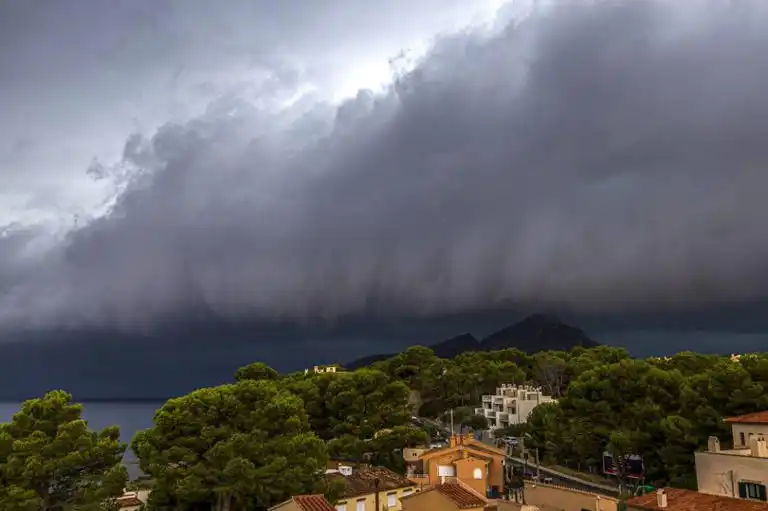
As travelers consider a visit to Spain, it is essential to be aware of the severe storms and flood risks currently affecting the nation. The Spanish State Meteorological Agency (AEMET) has issued urgent warnings across 25 provinces, including key tourist hotspots such as Huesca, Zaragoza, Barcelona, Girona, and Tarragona. These areas are experiencing intense weather conditions characterized by heavy showers, flash flooding, and the potential for hailstorms, creating hazardous travel circumstances and resulting in significant damage to local communities. Tourists planning to visit northeastern Spain should brace themselves for persistent rain and tumultuous weather patterns. According to AEMET’s latest reports, some regions may encounter rainfall exceeding 50mm, heightening the risk of flooding. It is crucial for travelers to stay informed by checking regular updates on official weather reports, especially when visiting affected regions like Aragon, Catalonia, and the Valencian Community.
Regions Under Severe Weather Alerts
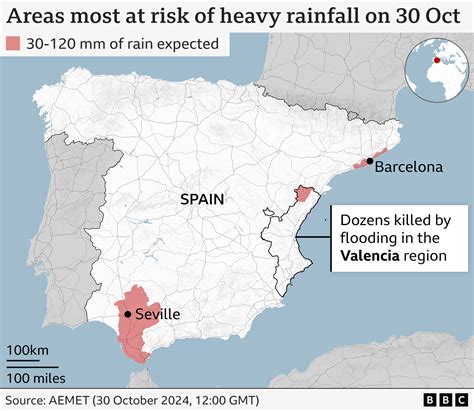
The alerts issued by AEMET range from red to orange and yellow, indicating varying levels of storm intensity across numerous regions in Spain. The most severely impacted areas include:
- Catalonia and Aragon: Provinces such as Zaragoza, Teruel, Lleida, Tarragona, Barcelona, and Huesca are under orange warnings due to severe storms and torrential rains.
- Valencian Community: The provinces of Valencia, Alicante, and Castellón are bracing for heavy rainfall, which could lead to localized flooding.
- Cantabrian Coast and Balearic Islands: Though less severely affected, tourists should still prepare for sudden weather shifts, including strong winds and rainfall.
Travelers should exercise caution, particularly in Zaragoza and other areas previously hit hard by flooding along the Ebro River. It is advisable to avoid flooded zones, remain indoors during inclement weather, and prepare for potential hailstorms.
Potential Impact on Travel Plans
Visitors to the affected regions may encounter significant disruptions to their travel plans. Many regional roads, especially those within Zaragoza and surrounding areas in Catalonia, are being closed due to flooding, fallen trees, and other obstructions. Reports indicate that vehicles have been submerged under floodwaters, leading to widespread urban flooding following intense rainfalls. Additionally, the threat of hailstorms looms over various parts of these regions, posing dangers for outdoor activities and excursions. Travelers are encouraged to remain vigilant and adaptable to changing conditions.
Safety Tips During Severe Weather
To ensure safety during these turbulent weather conditions, follow these essential tips:
- Stay Informed: Regularly monitor official weather forecasts from reliable sources, such as AEMET and local government websites. Weather patterns can change rapidly, making timely information crucial.
- Avoid Flooded Areas: Do not attempt to walk or drive through flooded roads. Flooding can occur suddenly, with water levels rising quickly and unpredictably.
- Seek Shelter: If you hear the unmistakable sound of hailstones striking the ground, seek immediate shelter to protect yourself from potential injuries.
- Know Emergency Numbers: Familiarize yourself with local emergency contact numbers. In Spain, you can reach the emergency services by dialing 112.
Understanding the DANA Storm
The current storm affecting Spain is classified as DANA—an isolated upper-atmospheric depression. This phenomenon occurs when warm, humid air from the Mediterranean collides with colder air masses aloft. The clash between these temperature gradients generates turbulence, leading to the development of severe thunderstorms and substantial rainfall. Travelers to Spain should prepare for challenging weather conditions throughout the weekend, with Saturday projected to be particularly severe. While certain areas will experience torrential downpours, others, especially in the southeastern regions like Alicante and Murcia, will contend with extreme heat reaching 40°C (104°F), creating a stark contrast to the stormy conditions prevalent on the north and east coasts.
Preparing for Varied Weather Conditions
If your travel itinerary includes southern regions of Spain such as Alicante, Murcia, or Andalusia, it is vital to prepare for the possibility of heatwaves. While the northern and eastern coasts grapple with storms, the southern parts will likely endure sweltering temperatures. If you plan to venture to the coast or inland areas of Andalusia, expect scorching conditions that could push the mercury above 40°C, making outdoor activities particularly challenging. Conversely, visitors to the Canary Islands should anticipate a cooling trend in the coming days, highlighting the need for adaptable travel plans based on regional weather variations.
Conclusion: Stay Safe and Plan Accordingly
The ongoing storm season in Spain has resulted in widespread disruptions, necessitating that travelers remain informed and prepared. Torrential rain, hailstorms, and flash floods pose significant risks to both locals and tourists, particularly in popular destinations like Barcelona, Zaragoza, and Tarragona. If you find yourself in these areas, prioritize checking official updates from local authorities and AEMET to stay safe and informed. Severe weather not only impacts travel itineraries but also overall safety, prompting travelers to adjust their plans and take necessary precautions. Always have emergency contact information readily accessible, steer clear of flooded areas, and seek shelter during stormy weather. By staying well-informed and adequately prepared, you can still enjoy your time in Spain, despite the challenges presented by the current weather conditions. Travel safely, and enjoy your adventures in this beautiful country!