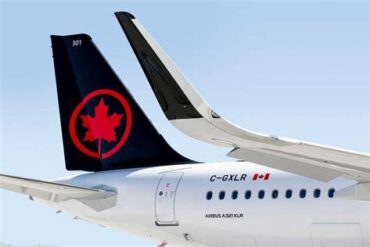
Air Canada is preparing to make an interesting change to its transatlantic network in spring 2027, introducing the Airbus A321XLR on flights between Montréal and Lyon. At first glance, the move looks like another major step in the airline’s growing use of long-range narrowbody aircraft. However, there is an important catch: these new flights are strictly temporary, with the A321XLR scheduled to operate the route for only a little over one month.
The change will see the Airbus A321XLR replace larger widebody aircraft during the shoulder season, giving Air Canada a more flexible way to match capacity with demand. The aircraft is scheduled to fly between Montréal Pierre Elliott Trudeau International Airport (YUL) and Lyon Saint Exupéry Airport (LYS) five times per week from March 29 through April 30, 2027.
For passengers, this is particularly notable because the westbound journey can take almost nine hours, pushing a single-aisle aircraft deep into traditional long-haul territory. Yet the A321XLR has been designed precisely for missions like this, combining long range with a smaller cabin than the A330 and Boeing 787 aircraft normally associated with transatlantic operations.
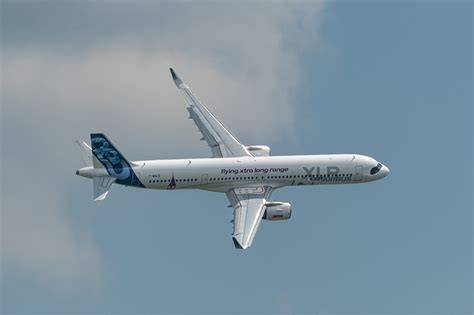
Air Canada’s Temporary A321XLR Lyon Schedule
According to scheduling information reported by AeroRoutes, Air Canada will operate the A321XLR on the Montréal–Lyon route between March 29 and April 30, 2027. The aircraft is planned to operate five weekly rotations, providing substantial coverage without committing the airline to a year-round narrowbody operation.
The westbound AC876 service will depart Montréal at 10:15 p.m. and arrive in Lyon at 11:40 a.m. the following day. Its scheduled block time is an impressive eight hours and 45 minutes. The return AC877 flight will leave Lyon at 12:55 p.m. and arrive back in Montréal at 3:40 p.m., with a shorter block time of seven hours and 25 minutes.
The difference between the two directions is largely explained by prevailing winds across the North Atlantic. Eastbound flights generally benefit from stronger tailwinds, while westbound services can face headwinds that add considerable time to the journey. Consequently, passengers traveling from Lyon to Montréal should experience a noticeably shorter scheduled flight.
Why Air Canada Is Using a Narrowbody
The decision makes sense when viewed through the lens of shoulder-season capacity management. Montréal–Lyon does not necessarily require a large widebody aircraft throughout the year, particularly during periods when demand softens between major travel peaks. Deploying an A321XLR allows Air Canada to preserve the nonstop connection while reducing the number of seats offered on each flight.
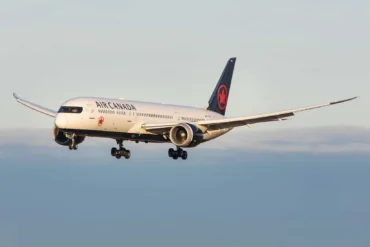
Air Canada typically uses the Airbus A330-300 on this corridor, with the widebody scheduled several times per week during parts of the winter season. The airline has also used Boeing 787-8 and 787-9 Dreamliners on the route. These aircraft provide considerably more capacity than the A321XLR, making them better suited to periods of stronger demand but potentially less efficient when passenger numbers decline.
The A321XLR therefore gives Air Canada another tool between regional aircraft and large long-haul widebodies. Rather than abandoning a route or operating a larger aircraft with weaker load factors, the carrier can maintain the connection with a smaller, longer-range aircraft.
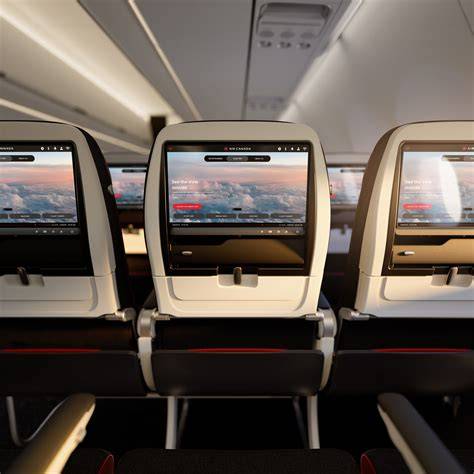
A321XLR Brings Premium Long-Haul Capability
The most interesting part of this aircraft deployment is not simply its range. Air Canada’s A321XLR introduces a premium-focused configuration that makes the aircraft considerably more suitable for transatlantic flying than a conventional narrowbody.
The airline’s configuration contains 182 seats, including 14 in Signature Class and 168 in economy. The business-class cabin uses a 1-1 arrangement with lie-flat seats, giving premium passengers a genuine bed during overnight Atlantic crossings.
That feature is particularly important for Air Canada because the A321XLR allows the airline to offer lie-flat seating on a single-aisle aircraft. The carrier has highlighted this as a distinctive proposition for Canadian travelers, particularly those connecting between North America and Europe.
The economy cabin is considerably more conventional, with seats offering approximately 31 inches of pitch and five inches of recline. Although the cabin is narrower than an A330 or 787, the aircraft’s smaller size can be an advantage when the objective is to serve a secondary international market without committing a large widebody.
Lyon Is Already a Competitive Market
Air Canada is not alone on the Montréal–Lyon route. Air Transat also serves the city pair, using a mixture of Airbus A321LR and A330 aircraft. This creates an interesting competitive environment because both Canadian airlines can offer nonstop access between Québec’s largest city and France’s second-tier international market.
Lyon is an important business and tourism destination, but it does not generate the same level of transatlantic demand as Paris. That makes aircraft selection especially important. Air Canada can target higher-value passengers with its premium cabin while avoiding the capacity risk associated with deploying a much larger aircraft.
Montréal also has particular strategic importance because it is currently the only North American city with a nonstop air connection to Lyon. Maintaining that link gives Air Canada a valuable position in the French market, even if aircraft capacity changes throughout the year.
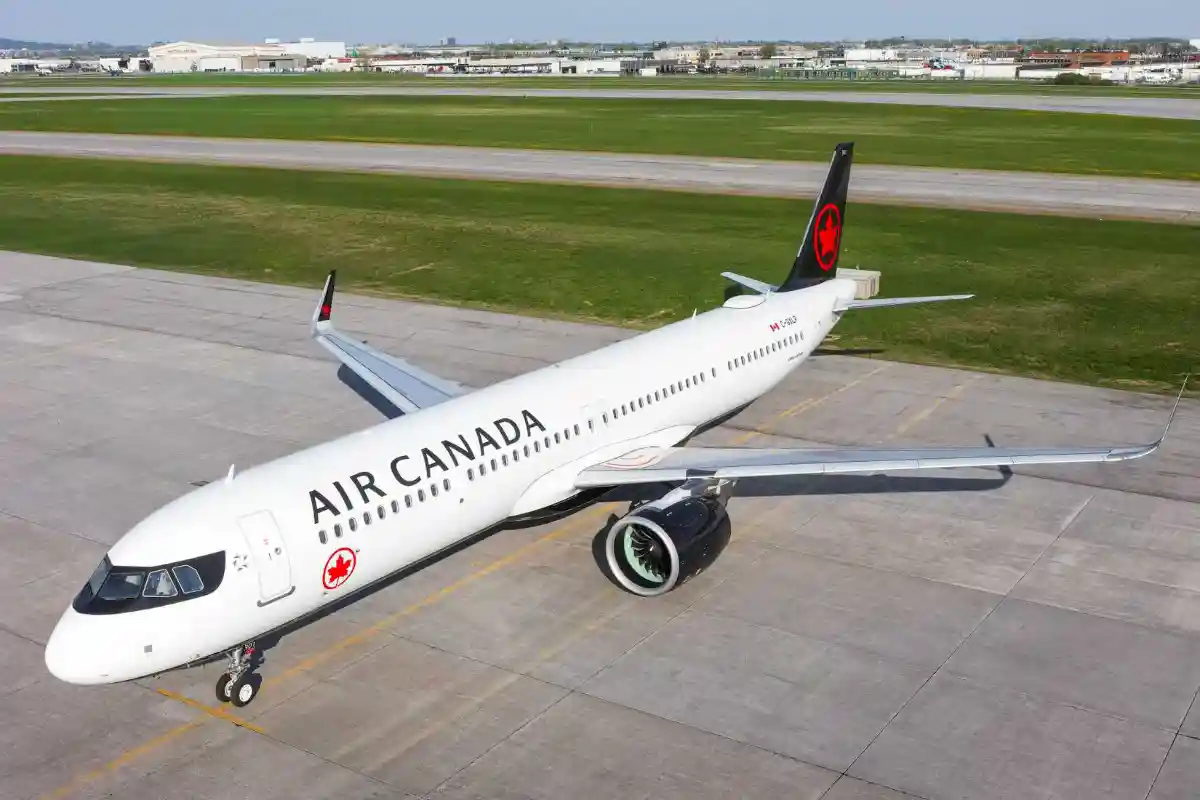
Air Canada Is Building Its A321XLR Fleet
The temporary Lyon deployment also provides a glimpse into Air Canada’s broader narrowbody strategy. The airline currently has only two A321XLRs in service, but its order book is expected to expand the fleet substantially.
Air Canada has another 28 aircraft on order, which would bring the total A321XLR fleet to 30 aircraft. That represents a significant commitment to a type capable of serving routes that sit between traditional narrowbody missions and widebody long-haul operations.
For Air Canada, this flexibility could prove increasingly valuable. The airline can use the A321XLR to open thinner transatlantic routes, adjust seasonal capacity, and potentially serve markets that would not support a daily widebody operation.
The Catch: It Lasts Only One Month
Despite the excitement surrounding almost nine-hour A321XLR flights, passengers should not assume that Montréal–Lyon is permanently switching to the aircraft. The A321XLR deployment is scheduled only from March 29 through April 30, 2027.
That limitation is the key detail behind the headline. Air Canada is testing the aircraft where it makes operational and commercial sense during a shoulder-season period rather than replacing the widebody strategy across the entire year.
Still, the experiment matters. A nine-hour transatlantic flight on a single-aisle aircraft demonstrates how dramatically the A321XLR is changing airline network planning. For Air Canada, the aircraft offers the ability to keep important international links alive while matching capacity more closely to demand.
In that sense, the temporary Lyon deployment may be more significant than its short duration suggests. Air Canada’s A321XLR strategy is not about replacing widebodies everywhere. It is about giving the airline another option—and on thinner long-haul routes, that option could be extremely powerful.