Singapore Airlines Opens Doors to Air India Pilots Amidst Growing Regional Aviation Ties
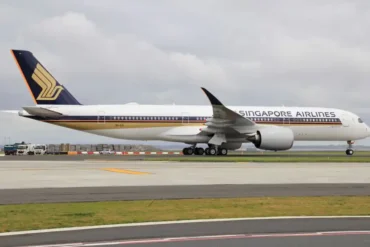
In a bold and strategic maneuver reflecting the evolving landscape of regional aviation, Singapore Airlines (SQ) has announced the offer of deputation roles to more than 100 pilots from Air India (AI) for positions within its low-cost carrier, Scoot (TR). This initiative is not merely a hiring spree but a carefully crafted collaboration designed to mutually enhance operational capabilities and pilot expertise between two of Asia’s prominent carriers.
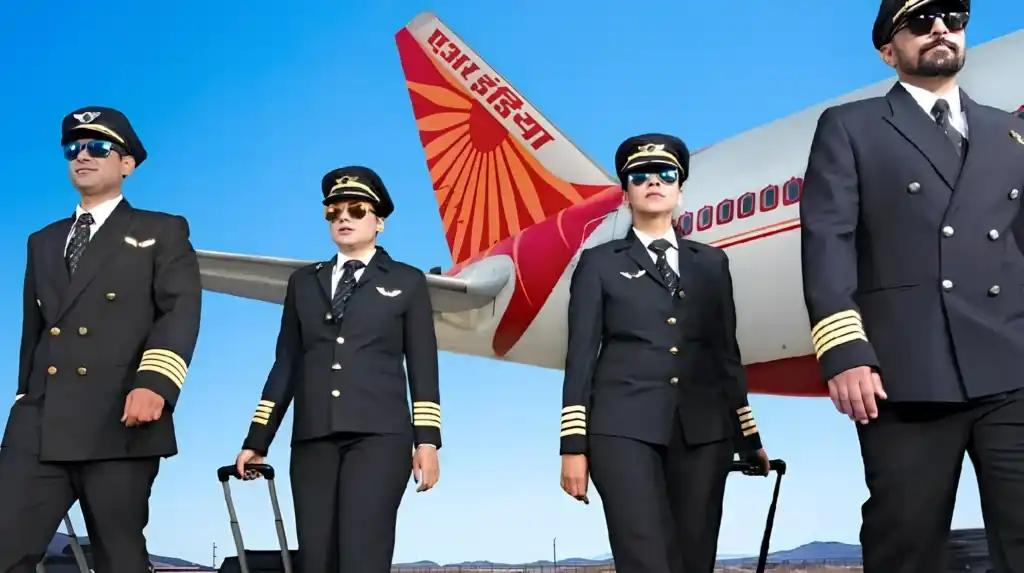
The deputation roles, based at the world-renowned Singapore Changi Airport (SIN), provide Air India pilots with an invaluable opportunity to gain international exposure and advanced training on Embraer aircraft—aircraft models that are notably absent from Air India’s current fleet. This deployment is set to broaden the pilots’ skill sets and enable Air India to elevate its human capital in line with its ambitious post-privatization transformation strategy.
Singapore Airlines’ approach is far from conventional. While the prospect of international career growth is attractive, there is a catch embedded within this arrangement that pilots and industry observers should note. The deputation is voluntary, with terms spanning one to two years, and pilots remain Air India employees on secondment. This means their career progression, salary structure, and benefits continue to be governed by Air India policies, even as they operate under Scoot’s operational framework.
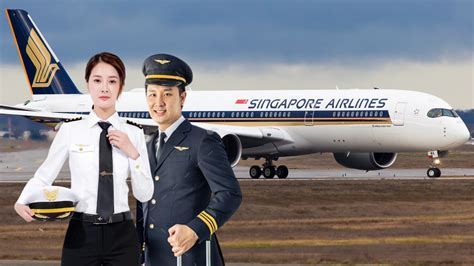
Deepening the Strategic Partnership Between Singapore Airlines and Air India
This unprecedented move underscores the deepening synergy between Singapore Airlines and Air India, catalyzed by SIA’s 25.1% equity stake in the merged Air India and Vistara entity. Headquartered in Delhi, Air India is nominating a select cadre of qualified captains and first officers for these deputation roles, aligning with a broader vision to modernize and globalize its workforce.
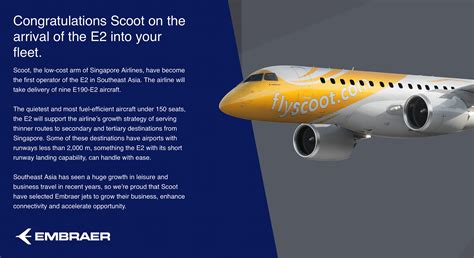
This collaboration transcends typical codeshare agreements and route-sharing arrangements. It incorporates hands-on knowledge transfer and personnel exchange that serves as a practical platform for Air India’s pilots to familiarize themselves with international service standards, operational efficiency, and newer aircraft technology—specifically the Embraer E190-E2 jets that Scoot is introducing into its fleet.
Singapore Airlines executives, including key figures like CEO Goh Choon Phong and Scoot management, have emphasized the long-term benefits this relationship promises. It strengthens the airlines’ competitive positions along one of the busiest aviation corridors in Asia: India to Singapore and onward to Southeast Asia and Oceania. The Indian market remains a crucial focus under Singapore Airlines’ multi-hub strategy, and this partnership is a cornerstone of their vision to capture growth in the region.
The Operational and Market Implications of the Pilot Deputation
For Scoot, the immediate advantage lies in alleviating pressing pilot shortages as the airline gears up for rapid expansion, including launching Embraer E190-E2 services starting May 2024. These jets will serve high-demand regional routes like the upcoming Explorer 3.0 flight to Krabi, Thailand, enhancing Scoot’s regional connectivity and competitiveness.
Air India pilots, meanwhile, stand to gain more than just flight hours. Exposure to Scoot’s rigorous international operational standards and the opportunity to work on different aircraft types are invaluable career accelerants. However, the catch remains that their return to Air India after deputation may come with challenges, including reintegration and alignment with Air India’s own evolving fleet and operational standards.
The arrangement also subtly highlights the complex regulatory environment governing international aviation employment. While pilots gain cross-border experience, the deputation structure ensures that all legal and employment obligations remain with Air India, mitigating risks for Singapore Airlines but possibly limiting pilots’ flexibility during the tenure.
Strengthening Human Capital Amidst Air India’s Transformation
Air India’s CEO and Managing Director, Campbell Wilson, has publicly described this pilot deputation as a “win-win” scenario. From Air India’s perspective, it supports the airline’s broader transformation post-privatization by upgrading pilot competencies, improving exposure to international aviation standards, and enhancing operational readiness.
Moreover, the initiative dovetails with Tata Sons’ vision for Air India’s revival, leveraging strategic partnerships to inject professionalism and innovation into its workforce. The engagement with Singapore Airlines executives Basil Kwauk and Hamish Maxwell reflects a hands-on approach by SIA to support Air India’s turnaround through shared expertise and capacity building.
Singapore Airlines’ investment is not merely financial; it represents a transfer of operational excellence, service quality benchmarks, and safety protocols, areas where Air India has traditionally faced challenges. By deputing pilots to Scoot, Air India ensures that its personnel are on the frontline of this knowledge exchange.
The Broader Competitive Landscape and Future Prospects
The India–Singapore aviation route is one of the highest traffic corridors in the region, with Singapore Airlines carrying over 2.4 million passengers annually. Roughly 65% of these travelers connect onward to destinations in Southeast Asia and Oceania, making this corridor pivotal for regional transit traffic.
Singapore Airlines faces stiff competition from carriers like Malaysia Airlines, Thai Airways, and Qantas, all vying for the lucrative connecting passenger market. The strategic alliance with Air India, facilitated through the pilot deputation and codeshare expansion, strengthens SIA’s ability to capture a larger share of this market by ensuring operational resilience and high service standards.
Scoot’s focus on sourcing skilled pilots both locally and internationally signals an aggressive growth trajectory. The Embraer fleet addition, supported by Air India’s deputed pilots, is a clear message that Scoot is not only expanding its route network but also enhancing the quality of its crew to match the ambitions of a modern low-cost carrier in a highly competitive environment.
Looking ahead, this pilot deputation program may serve as a blueprint for deeper integration, potentially including joint training academies, shared maintenance operations, and synchronized fleet management strategies. Such collaboration would optimize cost efficiencies and service consistency across the two airlines’ overlapping networks.
The Catch: Pilots’ Career Considerations and Regulatory Complexities
While the deputation offers undeniable professional growth, pilots must weigh several important factors. The temporary nature of the assignment means career continuity and seniority within Air India could face disruption. Differences in remuneration, contractual terms, and working conditions between Air India and Scoot might also present challenges.
Furthermore, as pilots operate under different regulatory frameworks, including Singapore’s Civil Aviation Authority requirements, they must adapt quickly to new compliance standards and operational procedures. This demands flexibility and a strong commitment to continuous learning.
Ultimately, this pilot deputation is a strategic lever for both airlines but also a test of adaptability for the pilots themselves. Success will depend on effective communication, clear career pathways post-deputation, and ongoing support from both carriers.
Conclusion: A Bold Step Towards a New Era of Regional Aviation Collaboration
Singapore Airlines’ offer to deputize over 100 Air India pilots to Scoot symbolizes a significant shift in regional aviation partnerships. It blends operational necessity with strategic foresight, harnessing shared strengths to capture growth opportunities in one of the world’s fastest-growing aviation markets.
While the arrangement carries a notable catch, it represents a compelling opportunity for pilots and airlines alike to build resilience, skill, and competitive advantage. As both Singapore Airlines and Air India continue to navigate the complexities of post-pandemic recovery and market expansion, such innovative collaborations will be pivotal in shaping the future of air travel in Asia and beyond.