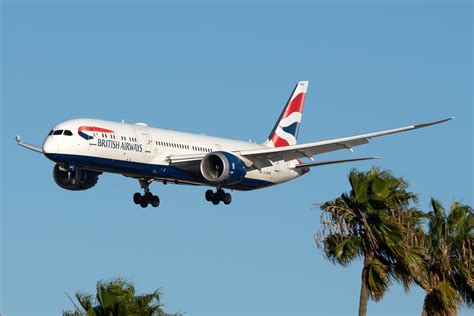
British Airways has opened one of the aviation industry’s most unusual pilot recruitment campaigns, offering experienced aviators up to $100,000 per year for a role that never actually leaves the ground. Instead of flying passengers across oceans, successful applicants will spend their shifts repositioning widebody aircraft between terminals at Chicago O’Hare International Airport.
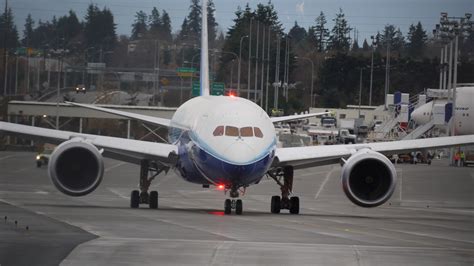
The position sounds almost fictional at first glance: fully licensed commercial pilots operating Boeing 777 and Boeing 787 Dreamliner aircraft solely for short taxi movements measured in hundreds of meters rather than thousands of miles. Yet the role reflects the increasingly complex operational realities facing major international airlines at some of the world’s busiest airports.
British Airways believes the strategy could save significant money, reduce missed passenger connections, and streamline ground operations inside one of North America’s most congested aviation hubs.
The airline’s latest recruitment push has also sparked wider discussion across the aviation industry about pilot shortages, airport congestion, and the growing value of operational efficiency over traditional cost-cutting measures.
After years of focusing heavily on airborne performance, airlines are increasingly discovering that what happens on the ground can have just as much impact on profitability.
British Airways Created the Role Because of Chicago O’Hare’s Unique Layout
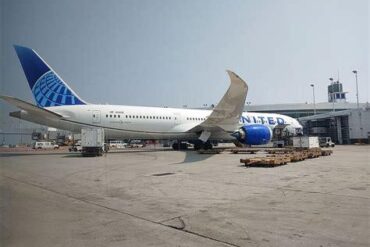
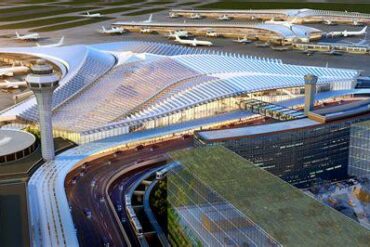
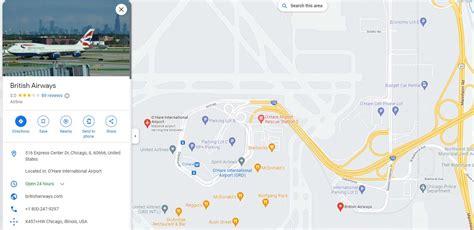
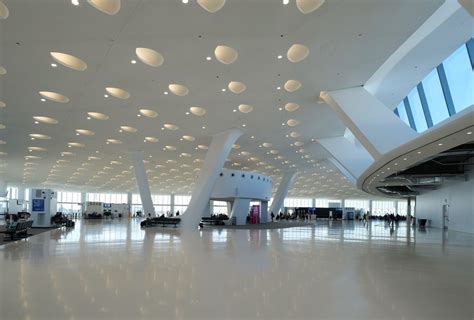
British Airways currently operates three daily services between London Heathrow and Chicago O’Hare using its fleet of Boeing 777 and Boeing 787 aircraft. Every flight arrives at Terminal 5, the airport’s designated international arrivals facility where customs and immigration procedures are handled for overseas passengers entering the United States.
Once passengers disembark and clear immigration, the aircraft itself faces an operational problem.
British Airways and its transatlantic partner American Airlines rely heavily on connecting traffic flowing between domestic US routes and long-haul international services. American Airlines operates primarily from Terminal 3, making it strategically important for British Airways aircraft to reposition there after arrival.
Instead of leaving the aircraft parked at the international terminal, British Airways moves each aircraft from Terminal 5 to Terminal 3 after unloading passengers.
That repositioning process improves connection times, simplifies baggage transfers, and significantly reduces the risk of passengers missing onward flights.
At large hub airports, even small disruptions can trigger expensive chain reactions. Delayed passengers may require hotel accommodations, meal vouchers, rebookings, compensation payments, and additional customer service resources. For airlines operating large alliance networks, minimizing missed connections has become a major financial priority.
British Airways appears to have concluded that employing highly trained pilots specifically for these short repositioning movements costs less than handling frequent passenger disruptions caused by disconnected terminal operations.
Why British Airways Cannot Simply Tow the Aircraft
At many airports around the world, aircraft repositioning is typically performed using specialized tow vehicles known as tugs. Ground crews attach the tug to the aircraft’s nose gear and slowly tow the plane between gates or maintenance areas.
Chicago O’Hare operates differently.
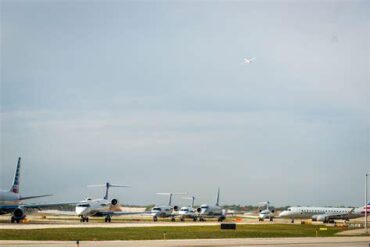
The airport generally discourages large-scale towing operations in active movement areas because of the intense congestion across its taxiways and terminal infrastructure. O’Hare consistently ranks among the busiest airports in the United States, handling enormous volumes of aircraft movements every day.
Using tugs introduces operational limitations that become problematic in such a high-density environment.
Towed aircraft move more slowly than aircraft operating under their own engine power. Tug operations also require additional personnel, more complex coordination with air traffic control, and reduced maneuverability during movement.
Controllers at O’Hare already manage aircraft activity occurring almost continuously throughout the day. Introducing frequent tug movements would add additional layers of communication and increase the risk of ground delays.
Aircraft operating under their own power can react faster, maneuver more flexibly, and integrate more naturally into standard taxi traffic flows.
British Airways therefore requires licensed pilots capable of operating the aircraft safely during these repositioning procedures, even though the journey itself lasts only minutes.
The concept may sound simple, but taxiing a Boeing 777 or 787 at O’Hare remains a highly technical responsibility. Pilots must navigate crowded taxiways, comply with detailed ATC instructions, maintain strict situational awareness, and safely maneuver aircraft worth hundreds of millions of dollars through one of the world’s most demanding airport environments.
The Role Targets Retired and Semi-Retired Pilots
British Airways is specifically targeting experienced aviators who may no longer wish to operate full long-haul schedules.
According to recruitment information tied to the role, the airline is seeking applicants with an Air Transport Pilot Licence (ATPL) and recent operational experience on either the Boeing 777 or Boeing 787 Dreamliner.
The position is particularly attractive for recently retired pilots or those approaching retirement who still want to remain involved in aviation without enduring the physical demands of international flying.
Long-haul airline operations can be exhausting. Pilots routinely cross multiple time zones, face irregular sleep schedules, and spend extended periods away from home. For senior aviators seeking a slower pace while maintaining a connection to commercial aviation, the Chicago taxi role presents an unusual middle ground.
The workload itself is relatively limited.
British Airways only needs to reposition three aircraft daily between terminals, meaning the total operational time may amount to just a few hours per day. Despite that relatively light schedule, the airline is still offering a salary between $90,000 and $100,000 annually depending on qualifications and experience.
Why the Salary Still Makes Sense for British Airways
At first glance, paying six figures for short taxi operations may appear excessive. However, airline economics rarely revolve around appearances alone.
Modern airline networks depend heavily on punctuality and smooth passenger connectivity. A single missed long-haul connection can trigger cascading operational costs far exceeding the daily expense of dedicated taxi pilots.
When passengers miss onward flights, airlines often absorb costs including:
- Hotel accommodations
- Rebooking expenses
- Meal vouchers
- Compensation claims
- Additional baggage handling
- Crew rescheduling disruptions
For a major international carrier transporting thousands of passengers daily, preventing even a small number of misconnected travelers can generate substantial savings over time.
There is also a reputational factor involved.
Passengers increasingly expect seamless transfers between domestic and international flights. Efficient terminal coordination helps British Airways and American Airlines maintain the appearance of a unified transatlantic operation, strengthening customer loyalty within the Oneworld alliance network.
Operational reliability has become one of the aviation industry’s most important competitive advantages.
The Position Highlights a Changing Aviation Industry
The unusual British Airways vacancy also reflects broader trends shaping commercial aviation in 2026.
The airline industry continues facing pilot shortages in several markets, especially among experienced widebody captains and senior first officers. At the same time, airports are becoming more congested as global travel demand rebounds strongly.
Rather than focusing exclusively on expanding fleets or launching new routes, airlines are increasingly investing in operational efficiency improvements that maximize the performance of existing infrastructure.
Ground operations now receive far more attention than they did a decade ago.
Airlines understand that reducing delays by even a few minutes can improve aircraft utilization, strengthen passenger satisfaction, and protect tightly coordinated schedules.
Chicago O’Hare represents one of the clearest examples of this operational balancing act. The airport’s intricate taxiway system, multiple terminals, and relentless traffic volumes create a challenging environment where efficiency matters enormously.
For British Airways, assigning experienced pilots to reposition aircraft may ultimately represent a surprisingly logical solution to a very modern aviation problem.
A Rare Pilot Job That Never Leaves the Ground
Despite the technical complexity of the role, the position remains one of the aviation world’s strangest career opportunities.
Pilots will sit inside the cockpit of some of the most advanced commercial aircraft ever built, communicate with air traffic controllers at one of America’s busiest airports, and operate multimillion-dollar jets daily — all without ever taking off.
In an industry traditionally defined by altitude, distance, and international travel, British Airways has effectively created a six-figure pilot position centered entirely around movement on the ground.
For retired aviators seeking lower stress, predictable schedules, and continued involvement in commercial aviation, the role may prove surprisingly attractive.
And for British Airways, every successful taxi movement could represent another avoided delay, another protected connection, and another example of how modern airlines increasingly win through operational precision rather than simply flying more airplanes.