British Airways is reshaping traditional pilot responsibilities with a bold operational move at one of the world’s busiest airports. At Chicago O’Hare International Airport (ORD), the airline is actively recruiting specialized “taxi pilots” with salaries reaching up to $100,000 per year, a figure that rivals or even exceeds some regional airline cockpit roles. This initiative is not about flying aircraft across the Atlantic—it is about mastering the complex, often overlooked art of moving them efficiently on the ground.
The strategy reflects a growing reality in global aviation: ground operations are becoming just as critical as airborne performance. At congested hubs like O’Hare, where more than 70 million passengers pass through annually and aircraft movements number in the thousands daily, even minor inefficiencies on taxiways can ripple into widespread delays. British Airways is betting that specialization on the ground can unlock measurable gains in punctuality, fuel savings, and passenger satisfaction.
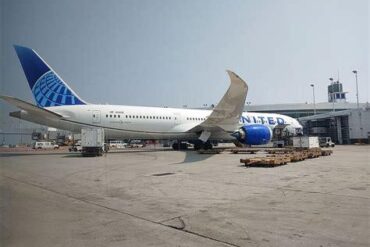
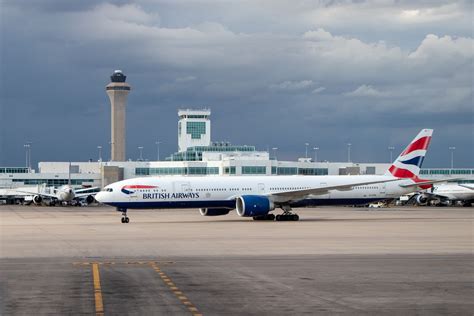
Unlike conventional pilot roles, these taxi crew members will not handle takeoffs or landings. Instead, they will focus exclusively on maneuvering widebody aircraft—primarily the Boeing 777 and Boeing 787 Dreamliner—between gates and runway holding points. It is a task that demands precision, situational awareness, and seamless coordination with ground control, particularly during peak traffic periods or challenging weather conditions.
Why Chicago O’Hare Is the Perfect Testing Ground
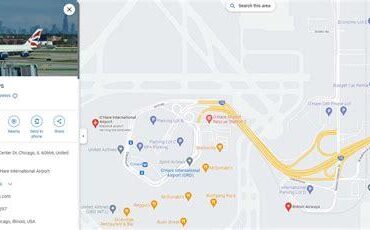
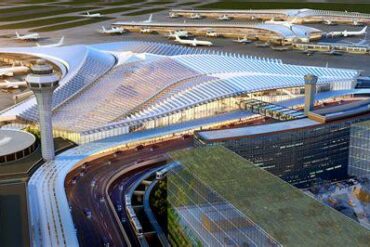
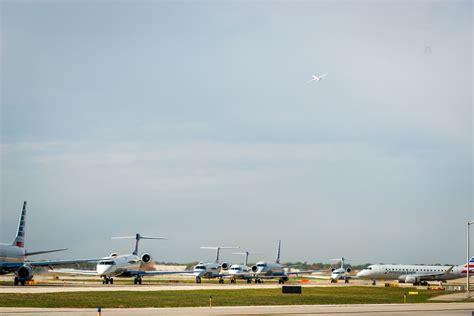
Chicago O’Hare is not just busy—it is notoriously complex. Its intersecting runways, sprawling taxiway network, and unpredictable Midwest weather create a high-pressure environment where delays are almost inevitable. During winter months, the addition of de-icing procedures further complicates ground movement, often extending taxi times significantly.
In this context, British Airways’ taxi pilot program is less of a novelty and more of a targeted solution to a persistent bottleneck. Aircraft can spend a substantial portion of their total journey time simply moving between gates and runways. By assigning dedicated professionals to handle this phase, the airline aims to reduce congestion, shorten turnaround times, and maintain tighter schedules.
This approach also aligns with broader industry trends emphasizing operational efficiency at major hubs. Airlines are increasingly recognizing that optimizing ground handling can yield immediate, tangible benefits without requiring large-scale infrastructure changes.
Inside the Taxi Pilot Role: Skills, Pay, and Responsibilities
The role itself is far from entry-level. Candidates must already hold a valid Air Transport Pilot (ATP) certificate or an equivalent qualification, along with relevant type ratings or experience. These are seasoned aviation professionals, not trainees, and their expertise ensures that safety standards remain uncompromised.
Responsibilities include conducting pre-taxi checks, communicating continuously with air traffic control, and executing precise aircraft movements in tight, high-traffic environments. While the absence of takeoff and landing duties might seem like a simplification, the reality is that taxiing widebody aircraft in congested areas requires exceptional technical skill and concentration.
Compensation is a major draw. With base salaries ranging from $90,000 to $100,000 annually, the position offers competitive pay alongside standard benefits such as healthcare and retirement contributions. The shift-based schedule—covering early mornings, late nights, and weekends—ensures that taxi operations remain supported during peak flight windows.
Operational Impact: Faster Turnarounds and Reduced Delays
From an operational standpoint, the introduction of taxi pilots could deliver immediate improvements. Aircraft turnaround time—the interval between arrival and departure—is a critical metric for airlines. Delays during taxiing can cascade into missed slots, disrupted connections, and dissatisfied passengers.
By delegating ground movement to specialized crews, British Airways effectively reduces the workload on primary flight crews, allowing them to focus on pre-flight preparation and in-flight operations. This division of labor enhances efficiency without fundamentally altering the structure of flight operations.
Moreover, smoother taxiing translates into better aircraft utilization. When planes spend less time idling on taxiways, airlines can maintain tighter schedules and maximize the productivity of their fleets. At a hub like O’Hare, even marginal gains can produce significant cumulative effects over time.
Fuel Efficiency and Environmental Considerations
Taxiing is not just a logistical challenge—it is also a financial and environmental concern. Large aircraft like the Boeing 777 can burn hundreds of kilograms of fuel per hour while on the ground. Inefficient taxi patterns or prolonged waiting times contribute directly to higher operating costs and increased emissions.
Dedicated taxi pilots have the potential to optimize engine usage, minimize unnecessary movement, and coordinate more effectively with ground control. These improvements can lead to noticeable reductions in fuel consumption, aligning with the aviation industry’s broader push toward sustainability.
At the same time, airports and airlines are exploring complementary solutions, such as electric towing vehicles and semi-autonomous taxiing systems. While these technologies are still evolving, human-operated taxi crews offer an immediate, practical way to enhance efficiency without waiting for full-scale automation.
A New Path for Pilots in a Changing Industry
The timing of this initiative is particularly interesting given the ongoing pilot shortage in North America. While demand for pilots remains high, roles like taxi crew introduce a new career pathway for experienced aviators who may prefer a more stable, ground-based position.
This could be especially appealing to pilots seeking predictable schedules or reduced time away from home, while still remaining actively involved in aviation operations. At the same time, it allows airlines to retain valuable expertise within their workforce.
Historically, pilots have managed both ground and flight operations as a single, unified responsibility. However, increasing complexity at major airports is challenging that model. The emergence of specialized roles like taxi pilots suggests a gradual shift toward greater task segmentation within aviation careers.
What This Means for the Future of Aviation Operations
British Airways’ experiment at Chicago O’Hare could have implications far beyond a single airport. If the program proves successful, it may serve as a blueprint for other congested hubs such as New York JFK or Los Angeles International Airport (LAX), where similar challenges exist.
The concept also fits into a larger narrative of aviation evolution, where technology, efficiency, and workforce flexibility intersect. As ground radar systems improve and automation becomes more viable, the role of the pilot—both in the air and on the ground—will continue to evolve.
For now, the taxi pilot initiative stands as a pragmatic, human-centered solution to a complex operational problem. It addresses immediate inefficiencies while laying the groundwork for future innovation.
British Airways is not just hiring pilots to move aircraft—it is redefining how airlines think about time, precision, and specialization. And at an airport where every minute counts, that shift could make all the difference.