The competition among the busiest airports in the United States has taken an unexpected twist heading into the third quarter of 2026. While the nation’s largest aviation hubs have largely maintained their positions, the latest schedule data reveals meaningful shifts that highlight changing airline priorities, evolving passenger demand, and a growing focus on operational efficiency rather than simply increasing flight numbers. Instead of dramatic post-pandemic expansion, airlines are now carefully deploying capacity where profitability and network performance are strongest.
Unlike passenger traffic statistics, these rankings are based on scheduled one-way departures, offering a clearer picture of how airlines are distributing aircraft across their domestic and international networks. Even relatively small percentage changes represent thousands of flights, making every gain and loss significant in one of the world’s most competitive aviation markets.
The biggest headline belongs to Chicago O’Hare International Airport, which strengthened its lead with remarkable growth despite previous operational constraints. Meanwhile, Boston Logan International Airport quietly climbed into the top nine, pushing Houston George Bush Intercontinental Airport down a position. At the same time, several iconic airports—including Los Angeles and New York JFK—experienced noticeable declines in scheduled departures.
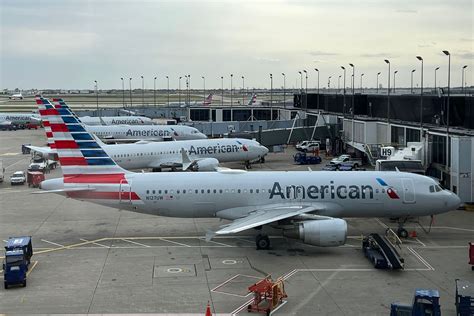
Chicago O’Hare Dominates America’s Busiest Airport Rankings
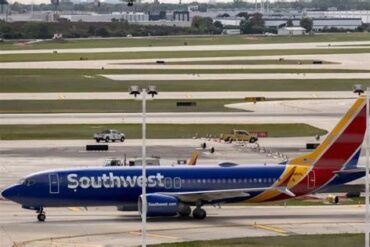
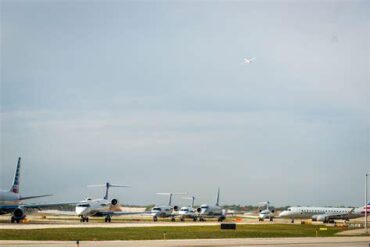
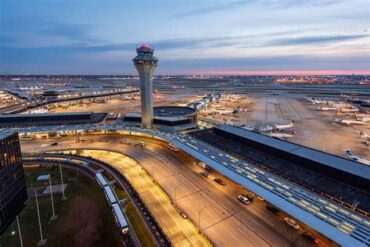
Chicago O’Hare has once again secured its position as the largest airport in the United States by scheduled departures. During the third quarter of 2026, airlines scheduled 119,467 one-way flights, representing an impressive 8.9% year-over-year increase compared with the same period in 2025. That growth is easily the strongest among the nation’s ten busiest airports.
The increase is particularly noteworthy because O’Hare has spent years battling congestion and air traffic delays. Previous Federal Aviation Administration measures encouraged airlines—especially United Airlines—to trim schedules in an effort to improve operational reliability. Instead of limiting long-term growth, carriers appear to have optimized operations while continuing to strengthen one of America’s most valuable connecting hubs.
O’Hare’s extensive domestic network, combined with expanding international services and its strategic Midwest location, continues to make it indispensable for airline network planning. As international travel accelerates ahead of the busy summer season and major sporting events attract global visitors, airlines clearly see Chicago as a cornerstone of their operations.
The Top Four Airports Hold Their Positions
Although Chicago widened its lead, the rest of the top four remained unchanged.
Atlanta Hartsfield-Jackson International Airport retained second place with 100,059 scheduled departures, although growth was virtually flat at 0.1%. As the world’s largest hub for Delta Air Lines, Atlanta continues to generate enormous traffic volumes despite limited schedule expansion.
Dallas/Fort Worth International Airport remained comfortably in third place with 93,597 departures, recording a modest 0.4% increase. Its central location and American Airlines’ massive connecting operation continue to support stable growth.
Denver International Airport strengthened its position in fourth with 91,069 scheduled flights, growing 1.5% year over year. Denver has steadily evolved into one of America’s fastest-growing mega-hubs thanks to its geographic location, expanding population, and increasing role in coast-to-coast connectivity.
Rather than adding flights aggressively, these airports demonstrate how mature airline networks now prioritize maximizing aircraft utilization and profitability.
Boston Logan Quietly Climbs the Rankings
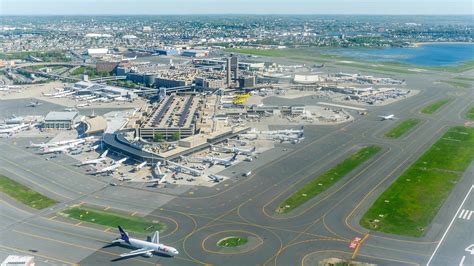
Perhaps the most surprising ranking change occurred near the bottom of the top ten. Boston Logan International Airport overtook Houston George Bush Intercontinental Airport to claim ninth place after increasing scheduled departures by 2.1%.
Although the numerical difference between both airports remains relatively small, Boston’s steady momentum reflects broader industry trends. Airlines continue expanding premium international services from the city, particularly across the Atlantic, while business and leisure demand remains resilient. Investments by several major carriers have also strengthened Boston’s role as a gateway between North America and Europe.
Meanwhile, Houston slipped to tenth after scheduled departures declined 2.3%. The change illustrates just how competitive airport rankings have become, where only a few hundred flights can alter national standings.
Several Major Airports Are Flying Fewer Scheduled Routes
One of the most revealing aspects of the latest rankings is that five of America’s ten busiest airports actually recorded fewer scheduled departures than a year earlier.
The airports experiencing declines include:
- Los Angeles International Airport (LAX): -2.0%
- Charlotte Douglas International Airport (CLT): -3.3%
- Seattle-Tacoma International Airport (SEA): -0.2%
- New York John F. Kennedy International Airport (JFK): -3.5%
- Houston George Bush Intercontinental Airport (IAH): -2.3%
Among them, JFK posted the steepest reduction, losing 3.5% of scheduled one-way departures.
These declines should not automatically be interpreted as weaker travel demand. Instead, airlines are increasingly replacing smaller aircraft with larger models, improving seat capacity without necessarily increasing flight frequency. Carriers are also refining schedules to improve punctuality, reduce operating costs, and concentrate aircraft where returns are strongest.
This strategy allows airlines to transport more passengers while operating fewer flights—a trend becoming increasingly common across mature aviation markets.
Airline Network Strategies Are Reshaping the Aviation Landscape
The latest rankings reveal a broader transformation occurring throughout the U.S. aviation industry. The rapid expansion that characterized the years immediately following the pandemic has largely given way to disciplined capacity management.
Rather than spreading additional flights evenly across every airport, airlines are selectively investing in hubs that deliver stronger financial performance, operational reliability, and strategic connectivity.
Chicago O’Hare perfectly illustrates this shift. Despite previous congestion concerns, airlines continue increasing schedules because its extensive connecting opportunities remain difficult to replicate elsewhere. Its ability to efficiently link passengers across North America and international destinations makes additional investment worthwhile.
Denver tells a similar story. Continued population growth throughout the Mountain West, combined with its central geographic position, allows airlines to build highly efficient connecting banks while serving expanding regional demand.
Boston’s rise also reflects changing priorities. Premium international travel, growing corporate demand, and expanded long-haul services have elevated the airport’s strategic value well beyond its traditional role as a regional gateway.
Summer 2026 Signals a More Competitive Future
The Q3 2026 airport rankings demonstrate that America’s aviation landscape is entering a new stage of maturity. Instead of dramatic increases in flight schedules, airlines are carefully balancing capacity, profitability, and operational performance. Small percentage changes now carry far greater significance because the industry’s largest hubs are operating with increasingly optimized networks.
Chicago O’Hare’s remarkable expansion stands out as the biggest success story, while Boston’s steady rise shows that strategic growth can quietly reshape national rankings. Conversely, declines at established giants such as Los Angeles, JFK, Charlotte, Seattle, and Houston illustrate that even the country’s largest airports are not immune to changing airline priorities.
As international travel strengthens and summer demand continues climbing, these rankings provide an early glimpse into how airlines intend to compete in one of the world’s busiest aviation markets. Rather than chasing sheer volume, carriers are building smarter, more efficient networks—ensuring that every scheduled flight plays a larger role in maximizing profitability, improving connectivity, and meeting evolving passenger expectations.