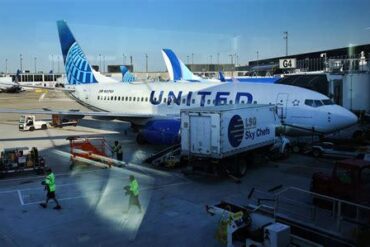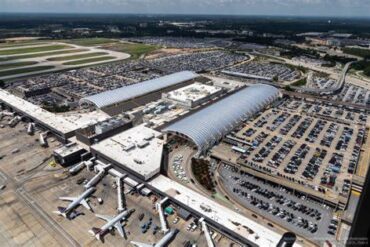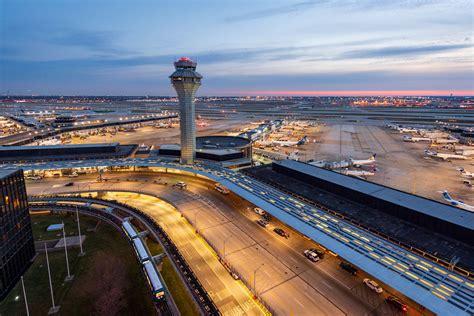
Chicago’s aviation landscape is undergoing a pivotal shift as United Airlines has officially secured five additional gates at O’Hare International Airport, dramatically reinforcing its already dominant presence at one of the busiest and most strategically vital transportation hubs in the United States. The Chicago Department of Aviation (CDA), following established lease-based allocation protocols, determined that United’s growth trajectory and operational footprint at O’Hare warranted this expansion.
This gate reallocation is not just a bureaucratic adjustment—it’s a strategic realignment of airport capacity, underscoring the evolving dynamics of airline competition in Chicago. Per the CDA’s 2018 lease agreement framework, gates at O’Hare are reassigned annually, based on the number of flights an airline operates and how efficiently it utilizes its current gate assignments. In essence, performance and expansion—not tenure—determine space at O’Hare.
United, having steadily grown its operations at the airport over the past few years, was the clear beneficiary of this policy. Airlines that currently operate from the five reassigned gates must vacate by October 1, a deadline that marks a significant logistical shift within the terminal’s ecosystem. The CDA has pledged to coordinate closely with the displaced carriers to ensure a seamless transition, although the specifics of these accommodations remain under wraps.
United’s Gate Expansion: A Reflection of Strategic Growth
United Airlines now controls 95 gates across multiple concourses at O’Hare, more than any other airline operating from the airport. This new total represents not just an operational milestone, but a tangible manifestation of the airline’s broader ambitions. In a public statement responding to the CDA’s decision, United emphasized that this reallocation is a recognition of their long-standing commitment to Chicago and their operational efficiency.
“We are pleased that United’s strong growth and long-standing commitment to our hometown hub of O’Hare has been rightfully recognized through this process,” the airline noted. “Over the past several years, United has made significant investments in growing our operation, our fleet and our team at our hometown hub.”
That investment is extensive. In just the past year, United has hired over 2,000 local employees, pushing its Chicagoland workforce to over 18,000. The airline also projects the addition of 5,400 new employees by 2027, aligning human capital with physical infrastructure growth.
A Critical Summer: Record-Breaking Capacity and Connectivity
The timing of this expansion could not be more advantageous. According to internal data released by United, Summer 2025 will see the airline flying more seats out of Chicago than in the past two decades. This massive surge in capacity is expected to have widespread effects across both domestic and international networks, creating new opportunities for travelers and solidifying Chicago’s role as a primary nexus in United’s global operations.
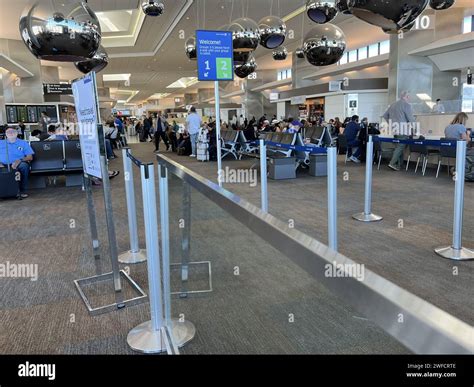
With these additional gates, United is better positioned to manage increased traffic, reduce gate delays, and streamline operations across its network. More importantly, the extra capacity provides the logistical flexibility needed to add new routes, scale seasonal service, and accommodate the carrier’s next-generation aircraft, many of which require updated infrastructure that United has been systematically introducing to O’Hare terminals.
The Political and Legal Backdrop: Opposition from American Airlines
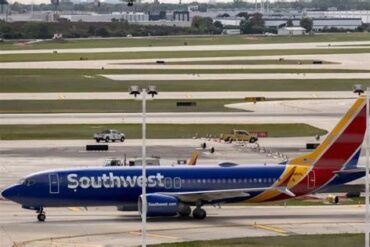
While the CDA’s decision followed the rules outlined in the 2018 lease agreement, it did not proceed unchallenged. American Airlines, United’s primary domestic rival at O’Hare, launched a legal effort to prevent the gate reallocation. The lawsuit, filed in early May, argued that the gate reassignment process unfairly favored United and could potentially result in market imbalance.
American currently controls 59 gates at O’Hare, significantly fewer than United. The lawsuit was widely viewed as a defensive maneuver to protect market share in a region that both carriers regard as critical to their national networks. However, the courts declined to intervene, allowing the CDA’s determination to move forward.
While American has not commented extensively on the loss, sources within the aviation industry suggest the carrier is now focusing on optimizing its existing gate allocation and exploring collaborative solutions with the CDA for future expansions.
Strategic Implications for O’Hare and Beyond
This reallocation does more than just shift five gates—it alters the strategic calculus of air travel in the Midwest. With more gates, United Airlines is positioned to increase frequency on key routes, introduce new destinations, and solidify lucrative business and international connections. As O’Hare prepares for its multi-billion-dollar expansion under the O’Hare 21 modernization program, United’s dominance gives it considerable influence over the airport’s future infrastructure and operations design.
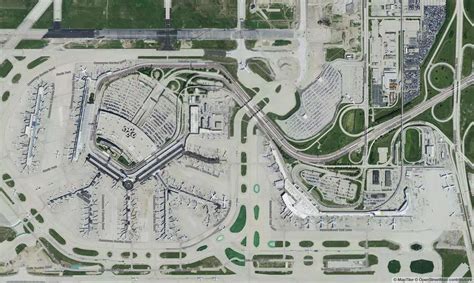
Moreover, the allocation underscores Chicago’s role as a primary hub not only for United but also for American aviation more broadly. United’s ability to offer more flights to more destinations than any other airline in Chicago gives it a compelling value proposition for both leisure and business travelers. With additional gates now under its control, United is expected to increase operations to underserved secondary markets and enhance transcontinental and transatlantic service.
The Workforce Component: Local Economic Impact
Beyond air routes and terminal space, the gate expansion has substantial implications for local employment and economic development. United’s ongoing hiring push and infrastructure investments signal confidence in Chicago as a long-term base of operations.
This surge in workforce demand contributes to a ripple effect across the local economy—ranging from ground services and logistics to hospitality and retail. Airport vendors, maintenance providers, and transit systems all benefit from the increased foot traffic and operational complexity that come with an expanded gate portfolio.
Moreover, with Chicago’s strong aviation-related education and training infrastructure, including institutions like Olive-Harvey College’s Aviation program and partnerships with Chicago Public Schools, there is a clear pipeline of talent to support United’s projected growth.
United’s Vision: Scaling for the Next Generation of Aviation
This latest milestone is not an endpoint but a step toward a broader transformation United envisions for itself and for O’Hare. The airline’s strategy hinges on upgrading terminals, integrating sustainable technologies, and transitioning to larger, more fuel-efficient aircraft. The new gates are expected to accommodate these ambitions, offering the physical infrastructure necessary for 21st-century aviation.

With the additional gates, United is also better equipped to handle disruptive weather events, a frequent challenge in the Midwest. Greater gate availability enables more flexible reassignments and tighter turnaround times—improving reliability metrics that matter deeply to both business travelers and operational planners.
Simultaneously, United continues to work with the CDA and federal partners on sustainability initiatives, such as integrating electric ground support equipment and improving gate electrification to reduce aircraft idling emissions. These efforts are aligned with United’s broader environmental goals, which include achieving net zero carbon emissions by 2050.
Looking Ahead: What This Means for Flyers and the Industry
For travelers, the implications are significant. More gates mean more flights, shorter connection times, and increased availability of desirable routes, especially during peak seasons. Business travelers will find greater schedule flexibility, while leisure passengers gain more non-stop options to secondary cities and vacation destinations.
For the aviation industry, United’s gate expansion at O’Hare signals a realignment of power among major U.S. carriers, particularly in contested metropolitan hubs. It also puts pressure on competitors to refine their strategies, invest in efficiency, and potentially seek growth through partnerships or infrastructure lobbying.
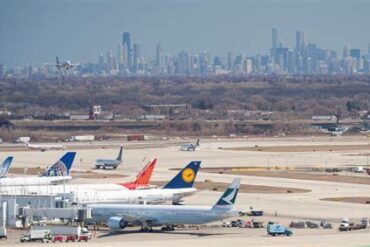
In the broader geopolitical aviation context, O’Hare’s increasing prominence as a global connector is only amplified by this move. United’s Chicago hub will remain a central spoke in its international wheel, particularly as the airline expands its long-haul fleet and forges deeper alliances with global carriers.
The five additional gates might seem like a small number on paper, but in the high-stakes world of commercial aviation, they represent opportunity, leverage, and a reaffirmation of United Airlines’ leading role in shaping the future of air travel from Chicago and beyond.