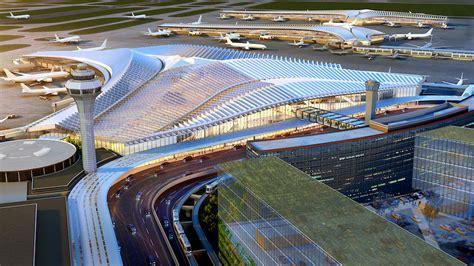
On July 20, 2025, Chicago O’Hare International Airport (ORD) witnessed an unprecedented milestone in air travel history, processing 115,962 passengers in a single day—its busiest day ever recorded. This surge surpassed the previous high of 113,772 passengers set less than a month earlier on June 22, emphasizing not only a booming post-pandemic recovery but also ORD’s commanding role in the resurgence of U.S. air travel.
Over the course of seven weeks, ORD has shattered multiple historical records. In fact, seven of its ten busiest days in history occurred during this narrow window, an indicator of rapidly intensifying demand driven by the summer travel season, airline capacity boosts, and a resounding return to normalcy by the traveling public.
TSA’s Record-Breaking Day and Traveler Preparedness
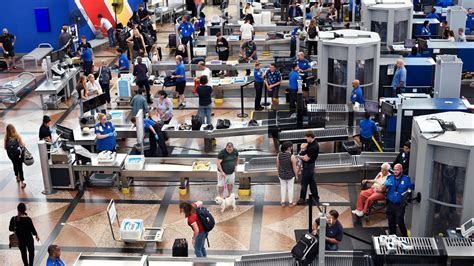
The Transportation Security Administration (TSA) officially recognized July 20 as the busiest day ever at Chicago O’Hare. TSA Illinois Federal Security Director Jim Spriggs emphasized the operational intensity behind the scenes: “On our busiest days, our officers remain laser-focused on delivering a safe and efficient screening experience to all passengers.” This comment echoes the sentiment behind a massive logistical challenge successfully managed with sharp precision.
ORD’s spike is part of a broader national trend. The TSA screened over 3.1 million passengers nationwide on June 22, 2025—making it the busiest travel day in TSA history across the country. Airports such as Gerald R. Ford and Cherry Capital Airport also reported historic numbers, showcasing a full-spectrum resurgence in air travel.
Passengers have been urged to arrive early, especially during peak hours and weekends. The TSA reiterates the importance of bringing REAL ID or a valid alternative, having boarding passes ready, and removing prohibited items from carry-on luggage. With 94% compliance already achieved in REAL ID presentations since its enforcement began on May 7, 2025, most passengers are proving cooperative and prepared.
ORD’s Soaring Capacity: Summer 2025 Snapshot
According to data from OAG, Chicago O’Hare has secured its place as the second-busiest airport in the U.S. by seats, with an eye-popping 31.3 million seats available this summer. This is a 9% increase over summer 2024, a leap that has catapulted the airport into a league dominated only by Hartsfield-Jackson Atlanta International Airport (ATL), which currently offers 38 million seats.
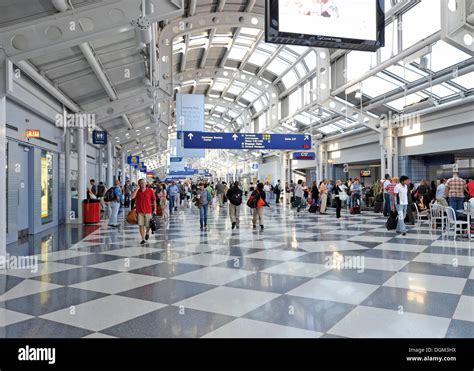
Even more impressive, ORD’s 11% year-over-year capacity growth in July alone is the highest among the world’s top ten airports, signaling both aggressive airline expansion and extraordinary passenger demand. This bump in capacity is largely driven by its two dominant carriers:
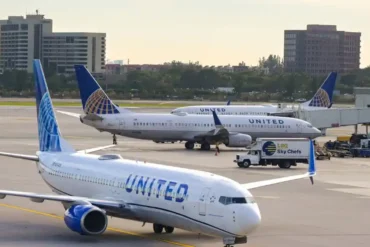
- United Airlines: 9% increase in domestic seat capacity.
- American Airlines: 20% increase in domestic seat capacity.
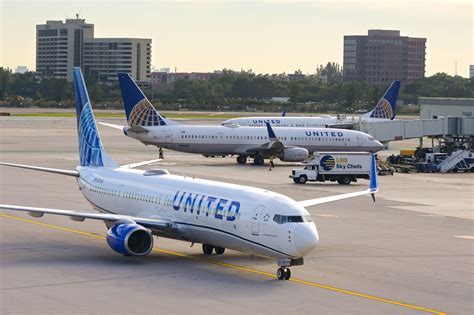
Together, these airlines now offer a combined total of 862,372 weekly seats out of ORD. United, as the largest operator, contributes 483,821 seats, while American follows with 378,551. Delta Air Lines, a distant third, offers 37,043 seats.
ORD is currently connected to over 200 global destinations, with nearly 50 airlines operating through its terminals. This unprecedented network makes it a strategic hub not only for national routes but also for international long-haul traffic.
From Pre-Pandemic Lows to Record-Highs: A Transformational Recovery
Before the pandemic, July 19, 2019, was ORD’s single busiest day, but it has since been dethroned multiple times in the post-pandemic era. The comeback has been swift and unapologetically bold. From a low point in 2020, when airports stood eerily silent, ORD’s resurgence has been nothing short of dramatic. It proves that not only have travelers returned, but they are flying more often, farther, and in larger numbers than even during aviation’s golden age.
ORD’s October 14, 2024 traffic of 108,353 passengers—then considered enormous—has already been eclipsed, becoming only the 10th busiest day in its history. The acceleration of growth in less than a year is a powerful testament to the latent demand for air travel and Chicago’s central role in connecting America.
ORD’s Place in the Global Air Travel Ecosystem
In global rankings, Chicago O’Hare now sits as the third-busiest airport worldwide based on scheduled seat capacity, trailing only ATL and Dubai International Airport (DXB). This marks a critical moment where ORD is no longer just a national powerhouse but a global connector, helping to define aviation traffic flows between North America, Europe, and Asia.
Its position is further bolstered by its design and infrastructure. The airport’s eight runways, multiple terminal complexes, and extensive intermodal access ensure that high traffic volumes are met with high efficiency. Operational resilience has been central to ORD’s ability to accommodate growth without the bottlenecks seen at other mega hubs.
Independence Day Momentum and What Lies Ahead
July’s record-setting performance was no fluke. It was preceded by a massively successful Independence Day weekend, when ORD and its smaller sibling, Chicago Midway International Airport, processed hundreds of thousands of passengers. The summer surge is expected to bleed into the fall holiday season, where travel peaks around Labor Day, Thanksgiving, and Christmas.
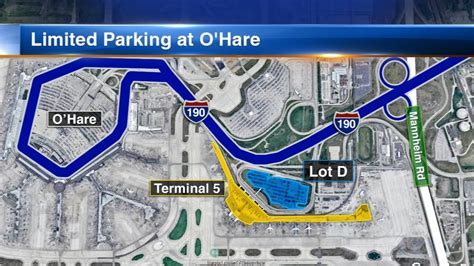
In preparation, travelers are advised to allow additional time for airport procedures—parking, security screening, and luggage check-in. Airport authorities have scaled staff and resources accordingly, yet demand outpacing capacity remains a challenge during compressed holiday windows.
Strategic Takeaways from Chicago O’Hare’s Passenger Record
The data suggests more than just volume. It offers insight into airline strategy, consumer confidence, and urban mobility. ORD’s 2025 performance underscores the following:
- Consumer demand is back, and it’s higher than ever.
- Airlines are betting big on hub expansions to drive revenue.
- Chicago’s strategic location continues to make it indispensable to U.S. and international air networks.
- Infrastructure investment over the past decade is now paying dividends in scalability.
These factors collectively suggest that ORD is not just breaking records—it’s setting a new baseline for what the modern airport experience should look like.
Conclusion: A Skyward Trajectory for America’s Heartland Hub
ORD’s rise isn’t just a blip on the radar—it’s a structural shift in the air travel economy. With record-setting days happening more frequently, the airport’s resurgence is rewriting the narrative of air mobility in a post-COVID world. What was once seen as a slow rebound has now become an outright surge, and all indicators suggest that Chicago O’Hare’s trajectory will continue skyward for the foreseeable future.
As the industry eyes the second half of 2025, one thing is certain: ORD is not merely recovering—it’s thriving.