The world of general aviation is no stranger to stereotypes, and among them, few spark as much debate as the perception surrounding Cirrus pilots. Whether at bustling Class C airports or quiet regional fields, tales of the lone SR22 making a bold straight-in approach or skipping a radio call have circulated widely. But does this reputation reflect a broader trend, or is it an oversimplified narrative? We explore the layers behind the Cirrus pilot stereotype, blending facts, anecdotes, and insights from the aviation community.
The Aircraft That Changed the Market
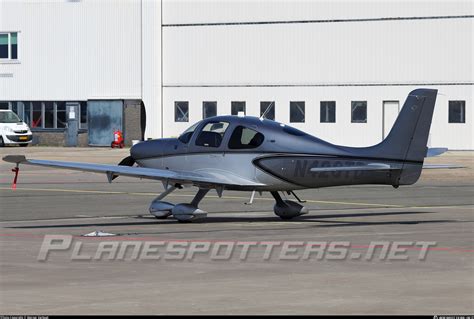
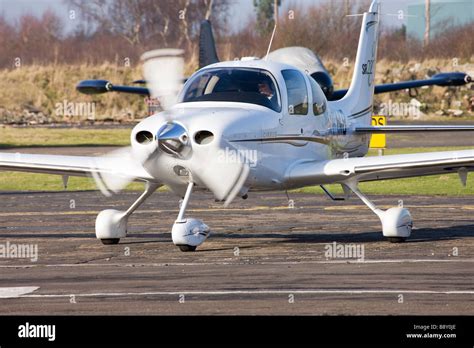
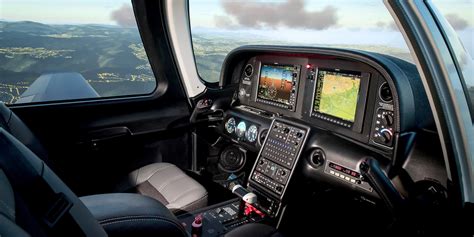
The introduction of the Cirrus SR series, especially the SR22, redefined the high-performance single-engine aircraft category. With features like the Cirrus Airframe Parachute System (CAPS), glass cockpits, and sleek composite designs, Cirrus made advanced technology accessible to pilots who, a generation earlier, might have flown Beechcraft Bonanzas or Mooneys. The price tag, however, remained substantial: a new SR22 often exceeds $900,000, while even used models fetch $500,000 or more. This financial barrier naturally draws a demographic that includes professionals, entrepreneurs, and high-net-worth individuals.
Yet, while technological sophistication and luxury appeal are undeniable, critics argue that the Cirrus also became the plane of choice for those viewing aviation as an accessory rather than a craft—a sentiment echoed in analogies comparing Cirrus ownership to owning a Tesla or BMW.
Demographics and the “Doctor-Lawyer” Legacy
Historically, planes like the Bonanza were associated with doctors, lawyers, and business executives—a club of well-heeled individuals who could afford not only the aircraft but also the training, maintenance, and insurance that came with it. The Cirrus SR22 inherited this mantle, but with a modern twist: its combination of safety innovations and automation attracted a newer generation of pilots who could afford to skip the well-worn paths of Cessnas and Piper trainers. Instead, they entered general aviation already seated in high-performance cockpits.
This demographic shift is not inherently negative. However, some aviation professionals observe that wealth and access do not always correlate with proficiency or humility in the air. As one instructor put it, “You wouldn’t hand a Porsche 911 GT3 to someone fresh out of driver’s ed, but in aviation, it happens more than you think.” Such comparisons fuel the stereotype of the under-experienced, overconfident Cirrus pilot, whose bank account secured the plane, but whose hours logged fall short of the aircraft’s potential.
Training Excellence, Application Gaps
To its credit, Cirrus recognized early the risks inherent in selling high-powered aircraft to low-time pilots. The establishment of Cirrus Standardized Instructor Pilot (CSIP) programs and factory training centers set a benchmark for comprehensive instruction. Cirrus pilots undergo rigorous initial training, including simulated emergencies and mastery of the CAPS system.
Yet anecdotal evidence suggests a disconnect between training and real-world application. Instructors recount students who, post-certification, develop lax radio habits or favor direct approaches regardless of traffic patterns. The irony is that while Cirrus formalized high training standards, complacency or procedural shortcuts among some owners erode the reputation instructors worked to uphold.
Behavioral Patterns or Confirmation Bias?
Is the stereotype truly earned, or is it the product of confirmation bias? Consider this: the Cirrus SR22 and SR20 dominate new single-engine piston sales in the U.S., meaning that any disproportionate number of incidents or breaches of etiquette involving new pilots are statistically more likely to involve a Cirrus. In other words, Cirrus pilots are not inherently less disciplined; they are simply more visible in today’s skies.
A student pilot recently shared an incident where an SR22 repeatedly cut them off during taxi and pattern work at a busy Class C airport. Air traffic control intervened, expressing surprise at the behavior, while the student’s instructor cited it as an example of the stereotype playing out in real time. Stories like this gain traction, reinforcing the archetype of the Cirrus pilot as the BMW driver of the sky—but without accounting for the countless other Cirrus owners who fly courteously and competently.
Entitlement or Confidence?
Some critics point to a sense of entitlement or misplaced confidence among Cirrus pilots, describing them as believing that success in business or medicine translates into mastery of aviation. This narrative likens Cirrus owners to individuals who, accustomed to excelling in their careers, assume similar proficiency in the cockpit. Consequently, when faced with complex airspace or high-density traffic patterns, they may underestimate the need for procedural discipline or overestimate their situational awareness.
However, defenders of the Cirrus community argue that these perceptions overlook a majority of pilots who, despite financial privilege, approach flying with humility and dedication. They caution against painting an entire group with a broad brush, emphasizing that pilot behavior is shaped more by individual attitudes than aircraft type.
A Cultural and Generational Shift
Underlying the debate is a broader cultural and generational shift in general aviation. Older pilots lament what they perceive as a weakening of community bonds and unwritten codes of airmanship. The rise of automation, GPS direct routing, and glass cockpits has fostered a different kind of pilot—one who prioritizes efficiency and technology over tradition and camaraderie. This change is neither inherently good nor bad, but it colors interactions on the ramp and in the pattern.
Where veteran pilots once gathered for hangar talks or collective fly-outs, today’s owners may prefer self-sufficiency and streamlined flying experiences. This evolution contributes to misunderstandings, where unfamiliarity with older etiquette is mistaken for arrogance or negligence.
It’s Not the Plane, But the Pilot
Ultimately, the Cirrus pilot stereotype is a tapestry woven from anecdotes, statistics, cultural shifts, and individual encounters. While certain patterns emerge—wealthy, newer pilots in high-tech cockpits, sometimes seen making questionable decisions—they do not define the entirety of Cirrus ownership. For every pilot cutting off traffic in the pattern, there are many more who adhere diligently to procedures, actively participate in safety seminars, and value mentorship within the aviation community.
As general aviation continues evolving, the key challenge lies not in assigning blame to aircraft brands but in fostering a culture where respect for procedure, awareness of others, and continual learning transcend airframe logos. Stereotypes, while sometimes rooted in kernels of truth, risk oversimplifying a diverse community into caricature.
In the end, it remains true: it’s not the plane that makes the pilot—but the pilot who defines the plane.