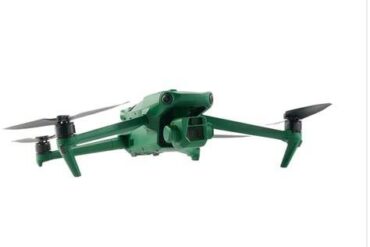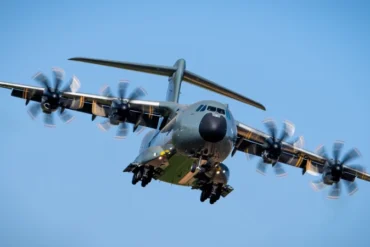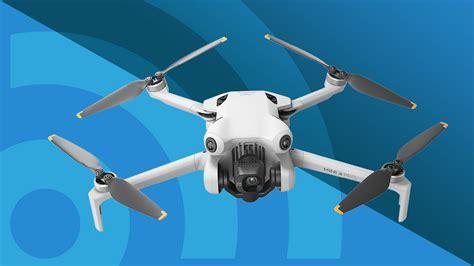
In the consumer and prosumer drone landscape, DJI has established itself as the undisputed leader, offering an unmatched balance of image quality, flight stability, intelligent features, and affordability. However, with increasing concerns over monopolization, data security, and geopolitical scrutiny — especially within the U.S. — many consumers and professionals are asking a critical question: Are there any good drone brands other than DJI?
Why DJI Dominates the Market
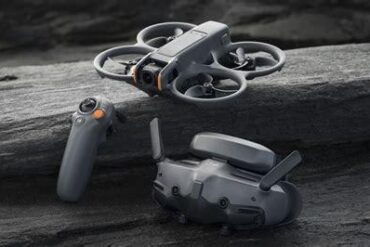
DJI’s dominance isn’t accidental. The company has refined drone technology to a near artform, investing deeply in R&D and creating a vertically integrated ecosystem. From beginner-level drones like the Mini 2 SE to advanced platforms like the Matrice 300 RTK, DJI offers options for every user profile. Their superior camera sensors, seamless app integration, obstacle avoidance, geofencing features, and flight-time efficiency have made competitors appear undercooked by comparison.
Yet, this very strength has also inspired a push to discover viable alternatives — whether for ethical reasons, technical preferences, price sensitivity, or industry-specific applications.
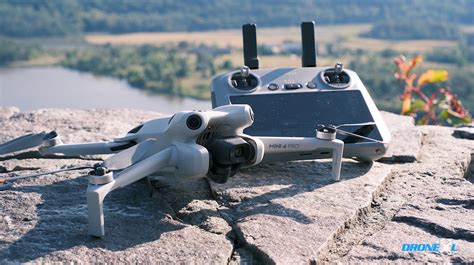
Autel Robotics: The Closest Consumer Alternative
Autel Robotics, once considered a serious challenger, offered real competition with their Evo series. The Autel Evo Lite+ and Evo II Pro gained respect for impressive specs: a 1-inch CMOS sensor, 6K video, up to 40-minute flight times, and no geofencing restrictions — a feature that strongly appeals to more advanced or international flyers.
However, Autel has recently been plagued by inconsistent software updates, reduced spare part availability, and limited customer support in many regions. While their hardware remains compelling, these issues have dimmed their standing.
FIMI: The Xiaomi-Backed Underdog
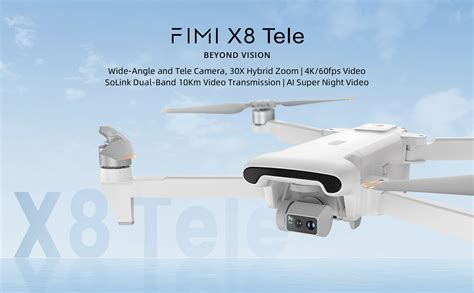
If you’re seeking performance on a budget, FIMI — a subsidiary of tech giant Xiaomi — has been making notable waves with its X8 series. The FIMI X8 SE 2022 V2, priced around $500, offers specs that were once exclusive to $1,000+ drones: 32-minute flight time, 7km range, 4K HDR video, and even rainproof design.
The recently released FIMI X8 Pro elevates the game with obstacle avoidance, 47-minute max flight time, a modular payload system (including a drop module), and a strong build quality. Notably, FIMI drones are not geolocked, which grants more flexibility for international or remote operations.
FIMI does trail DJI in terms of camera calibration, app fluidity, and flight path precision, but their products are a solid 7 or 8 out of 10 — remarkably close for the price.
Skydio: The AI Trailblazer (But With a Catch)
Skydio, an American drone company, brought genuine excitement with its autonomous flying capabilities. The Skydio 2+, in particular, impressed with industry-leading AI obstacle avoidance, autonomous flight modes, and robust tracking algorithms.
Where Skydio shines is action filming and dynamic environments — such as mountain biking or running through forests. However, limitations like restricted manual control, a smaller camera sensor, and a higher price point for what it delivers have boxed it into a niche category rather than a DJI replacement for general users.
Yuneec: Once Promising, Now Dormant
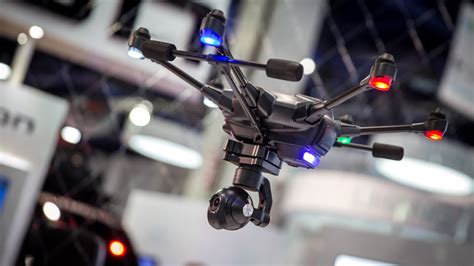
Yuneec once stood as a formidable DJI rival with the Typhoon H series, offering features like 360-degree gimbal rotation, retractable landing gear, and six-rotor safety redundancy. But lackluster marketing, slow innovation, and fading support have reduced its relevance in today’s competitive market. Their drones are still technically sound but feel dated, and software updates are few and far between.
Potensic and Hubsan: Entry-Level Alternatives
For hobbyists and beginners, Potensic and Hubsan offer approachable platforms under $300. The Potensic Atom SE and Hubsan Zino Mini Pro try to replicate DJI’s Mini series experience at lower price points.
These brands are appealing for casual flyers, with good stabilization, decent 4K output, and compact frames. However, lower bitrate video, minimal support infrastructure, and questionable durability mark the distinction from DJI.
iFlight, BetaFPV, and Other FPV Brands
When it comes to FPV (First Person View) drones, a genre where pilots prioritize speed, manual control, and freestyle flying, DJI’s dominance wanes. Companies like iFlight, BetaFPV, and GEPRC lead the space, offering prebuilt FPV drones that outperform DJI FPV drones in terms of raw agility and customization.
These brands cater to advanced users who prefer building or tweaking their rigs. The tradeoff is complexity — these drones lack plug-and-play simplicity and often require manual tuning, soldering, and simulator practice.
Military and Industrial-Class Drone Brands
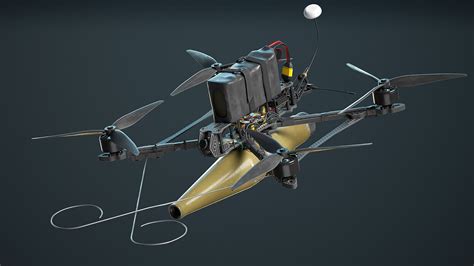
At the highest end, several companies produce drones that vastly outclass DJI — but they’re not meant for consumers. Brands like Lockheed Martin, General Atomics, and Blue UAS-listed contractors design high-end surveillance, mapping, and defense drones with specialized sensors, long-range satellite communication, and mission-specific payloads.
These include models like the MQ-9 Reaper or Lockheed’s Indago series, used in tactical, firefighting, and search-and-rescue operations. Access is highly restricted, pricing is astronomical, and units are rarely sold on open markets.
Parrot: The Quiet Exit
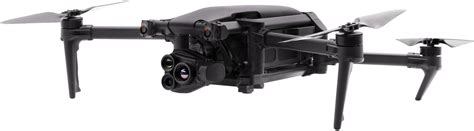
French drone maker Parrot, once a viable consumer brand, has largely exited the casual drone space. The Anafi series provided solid specs and a compact design but couldn’t compete with DJI’s pricing and software polish. Parrot now focuses almost exclusively on enterprise, defense, and government solutions, often seen in contracted surveillance applications.
GoPro Karma: A Lesson in Missed Opportunities
The GoPro Karma entered the market with promise, integrating GoPro’s legendary action cameras with a modular drone. However, plagued by technical issues and a highly public recall, it was discontinued — leaving enthusiasts to wonder what could have been. There are occasional murmurs in the community about a Karma 2, but GoPro seems more invested in wearable tech than aerial platforms.
Why Most Drone Builders Still Default to DJI
Several DIY and home-build enthusiasts shared their stories of trying everything from custom frames to niche brands, only to eventually circle back to DJI. Ease of use, ecosystem support, repair parts availability, firmware reliability, and resale value make DJI drones the logical default — especially for photographers, travelers, and commercial operators.
DJI’s ability to scale production while maintaining high quality is virtually unmatched. Even when competitors manage to build compelling hardware, they often fall behind in software integration, stability updates, and user education.
When to Consider a Non-DJI Drone
Still, not every use case needs DJI. You might consider other brands if:
- You need modular payloads for industrial tasks.
- You require drones without geofencing for use in rural or restricted areas.
- You’re diving into FPV racing or freestyle flying.
- You’re looking for a budget drone under $300 for learning.
- You want to support U.S.-based or non-Chinese drone ecosystems.
In these cases, FIMI, iFlight, Autel, or Skydio can be valuable alternatives, even if they require a more hands-on or specialized approach.
Conclusion: DJI Isn’t the Only Option, But It’s Still the Benchmark
In short, while DJI remains the gold standard, there are indeed viable competitors — each with their niche. FIMI offers excellent value, Autel pushes high-end features, iFlight rules the FPV space, and Skydio leads in AI autonomy. Others like Potensic, Hubsan, and Yuneec fill the entry-level or fading mid-tier market.
Choosing the right drone in today’s ecosystem depends on your specific needs, use environment, and comfort level with complexity. DJI is the most refined, but for those willing to explore, quality does exist elsewhere — just not always in the places or packages you’d expect.