In the crowded and increasingly commoditized world of consumer drones, DJI continues to stand leagues above the competition. While budget drones saturate online marketplaces with flashy specs and low prices, it’s clear upon closer examination that DJI’s dominance stems from a deeply integrated, precision-engineered ecosystem that emphasizes safety, reliability, and professional-grade performance.
At first glance, an amateur might balk at DJI’s price tags, especially when $300 models on Amazon boast specs like “4K camera” or “30-minute flight time.” But a drone is more than just what’s printed on the box. DJI has built its brand by delivering a holistic aerial photography experience that transcends raw numbers, driven by years of innovation, deep software-hardware synergy, and responsive support infrastructure that mirrors industry leaders like Apple.
Exceptional Hardware Reliability and Engineering Precision
One of the most overlooked aspects of drone ownership is reliability in unpredictable real-world conditions. DJI drones are known for their rock-solid construction, high-precision motors, and sensor calibration that retains stability across flights and altitudes. This reliability is what separates a pleasant flight from a catastrophic crash.
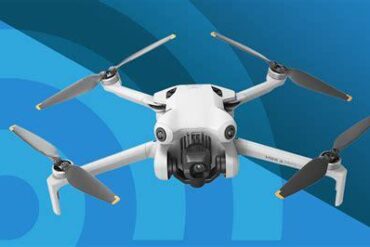
Where budget drones often succumb to signal loss, wind turbulence, or motor failures, DJI’s redundant safety features and flight control algorithms actively compensate in real-time. Even the smallest consumer models like the DJI Mini 3 Pro exhibit superior hover accuracy, thanks to a fusion of GPS, GLONASS, downward vision sensors, and barometric data.
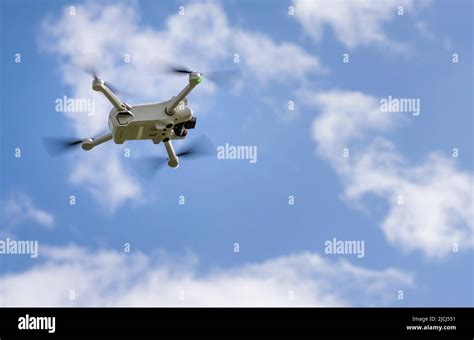
A simple flight over a park with a DJI drone feels vastly different than piloting a cheaper alternative. The drone doesn’t drift or stutter. It hovers like a tripod in the air, anticipates inputs from the controller smoothly, and stays responsive throughout its advertised range. This confidence is why hobbyists and professionals alike return to DJI—it’s a tool they can trust.
Seamless Integration of Software and Hardware
DJI’s Fly App is a core component of its user experience. Instead of relying on third-party control apps with janky interfaces, DJI provides a unified, mature, and regularly updated flight platform that integrates:
- Real-time telemetry: Altitude, speed, orientation, and GPS coordinates
- No-fly zone awareness: Integration with FAA’s B4UFLY and geo-fencing
- Return-to-home functionality: Activated on low battery or signal loss
- In-flight diagnostics: Including motor warnings, signal interference, and battery cell health
Most importantly, DJI’s firmware is deeply optimized for its own hardware. Firmware updates don’t just add bug fixes—they expand capabilities. From improved ActiveTrack object recognition to enhanced QuickShots for cinematic movements, DJI continues evolving its drones long after they ship.
This vertical integration also means less latency, more reliable responses to user input, and far superior safety automation. Budget drones using generic app platforms simply cannot compete with this level of cohesiveness.
True 4K Imaging and Professional Cinematography Tools
When a $200 drone advertises “4K,” it typically means upscaled resolution from a low-grade sensor, minimal frame rate support (often 15-20fps), and heavy compression. DJI’s drones, by contrast, feature large, high-quality CMOS sensors with true 4K60 video, D-Cinelike color profiles, and mechanical gimbals that deliver buttery smooth footage regardless of flight conditions.
Even mid-range models like the DJI Air 3 offer dual cameras with wide-angle and telephoto options, adjustable aperture, and advanced shooting modes like Hyperlapse, MasterShots, and ActiveTrack 5.0. Professionals using the DJI Mavic 3 Pro get a triple-camera system, including a 4/3” Hasselblad sensor capable of 10-bit D-Log and ProRes recording.
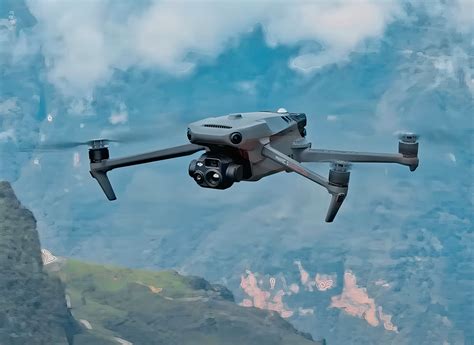
These imaging tools aren’t just bells and whistles—they’re integrated deeply into the drone’s flight logic, allowing creators to execute complex shots with minimal setup and effort. The result is cinematic quality out of the box, without needing extensive post-production stabilization.
Unparalleled Customer Service and DJI Care Protection
Another reason DJI outpaces its rivals is its consumer-centric support ecosystem. DJI Care Refresh, a protection plan akin to AppleCare, gives users peace of mind. If your drone crashes, gets soaked in a swamp, or collides with power lines, DJI often replaces the unit entirely—battery included—within days.
Coverage for the Mini 3 Pro costs around £55/year, and customers routinely report quick turnaround and generous replacement policies. This is a far cry from the vague, non-existent warranty support of many budget brands that force users through translation layers and unresponsive offshore vendors.
Beyond replacement plans, DJI maintains:
- A vast user community with global forums and tutorials
- Localized English support in most markets
- A rich ecosystem of third-party accessories, including ND filters, cases, chargers, and prop guards
Simply put, DJI doesn’t abandon customers after the sale—it supports, educates, and protects them.
Advanced Safety Systems and Airspace Awareness
Safety is not optional—it’s vital. DJI leads the market with omnidirectional obstacle sensors, advanced vision positioning, and AI-powered navigation algorithms. Unlike lower-cost competitors that offer basic forward-facing sensors (or none at all), DJI’s drones see in every direction.
The Return-to-Home (RTH) system isn’t just a party trick. It considers flight logs, active wind conditions, and surrounding obstacles. In urban areas or near restricted zones, DJI’s built-in AirSense ADS-B receiver alerts users to nearby manned aircraft, dramatically reducing collision risk.
Moreover, DJI is deeply involved in regulatory cooperation. With tools like Remote ID compliance baked into newer drones and firmware geofencing for no-fly zones, DJI makes safety a collaborative experience between pilots, software, and airspace authorities.
Pioneers of Consumer Aerial Photography
DJI didn’t just enter the drone space—it created it. The original Phantom 1, launched in 2013, brought GPS-stabilized flight and gimbal stabilization to consumers before most people even knew what a drone was. Since then, DJI has:
- Introduced foldable drones with the Mavic line, revolutionizing portability
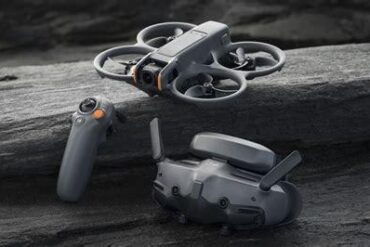
- Developed cinematic FPV drones for immersive flight experiences
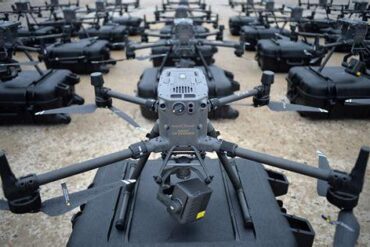
- Integrated LiDAR, multispectral sensors, and RTK systems in enterprise models
This relentless innovation is why DJI commands over 70% of the global drone market. Its portfolio spans from the entry-level DJI Mini 2 SE to the industrial-grade Matrice 300 RTK. The brand’s roadmap continues pushing boundaries while rivals play catch-up.
Global Ecosystem and Third-Party Integration
DJI benefits from a robust global network of accessories, services, and community-generated content. From YouTube tutorials to flight plan software, DJI users have access to an unparalleled knowledge base. FAA approvals, firmware updates, and government partnerships ensure regulatory compliance and promote adoption in both public and private sectors.
No other drone company offers such a scalable user journey—you can start with a beginner drone, master flight basics, and upgrade within the same ecosystem to pro-level models without learning new apps or controls. This user retention and brand loyalty is rare in tech hardware.
Conclusion: More Than a Drone, It’s a Platform
DJI’s supremacy in the drone market isn’t rooted in flash—it’s built on substance. From precision engineering to seamless app control, from premium imaging to first-rate support, DJI delivers a complete experience that budget alternatives simply can’t replicate. While a $300 drone may imitate specs on paper, it can’t fake trustworthiness in the field.
For aerial creators, professionals, or safety-conscious hobbyists, DJI remains the gold standard in drone technology—a trusted companion in the sky that just works, flight after flight.