Are red eye flights better than normal flights? This is a persistent question in the world of air travel, one that invites debate between convenience, cost, comfort, and practicality. While many travelers prefer the predictability of daytime flights, red eye flights—overnight departures that land early in the morning—offer a host of compelling advantages. In this comprehensive article, we examine whether these nocturnal journeys are truly better, and for whom they make the most sense.
Understanding Red Eye Flights
Red eye flights typically depart between 9:00 PM and 1:00 AM and arrive at their destinations early the next day. The term “red eye” originates from the bloodshot eyes passengers often get due to lack of sleep. But is sleep deprivation the only thing that defines this travel choice?
Airlines such as Delta Air Lines, United Airlines, and American Airlines regularly schedule red eyes on long-haul domestic and international routes. These flights primarily serve routes crossing multiple time zones, such as Los Angeles to New York, or San Francisco to London.
Cost-Efficiency: Red Eye Flights Are Often Cheaper
One of the most noticeable benefits of red eye flights is their lower ticket price. These flights are frequently underbooked, which forces airlines to reduce prices in order to fill seats. For budget-conscious travelers, this can mean saving hundreds of dollars on a single round-trip fare.
Additionally, because fewer people prefer to fly overnight, travelers often find:
-
Greater availability of economy seats
-
A higher chance of securing entire rows, especially on midweek flights
-
Upgrades to premium cabins, particularly when planes are underbooked
For corporate travel departments aiming to cut costs, red eye flights are an obvious go-to solution. That’s why many employers book them by default, even if employees express reservations about overnight travel.
Time Optimization: Maximize Your Daylight Hours
Red eye flights offer a significant time advantage, especially for travelers on tight schedules. Instead of spending an entire day in transit, passengers who depart at night and arrive early can begin their day immediately upon landing.
Consider a flight from Los Angeles to Boston:
-
Daytime option: Departs at 8:30 AM, arrives by 5:00 PM (entire day lost)
-
Red eye option: Departs at 11:30 PM, arrives at 7:45 AM (entire day saved)
This can be transformative for both business professionals needing to attend morning meetings and leisure travelers eager to make the most of a short vacation.

Quieter Airports and Smoother Check-ins
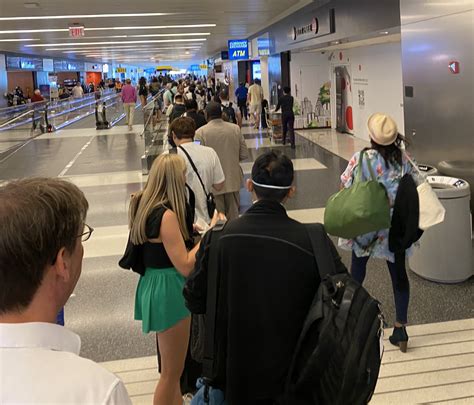
Late-night flying means fewer crowds. Airports are notably less congested during red eye hours, making for a smoother experience:
-
Shorter security lines
-
Faster baggage check-in
-
Quieter boarding areas
For anyone who dreads airport chaos—especially during holiday weekends or peak travel seasons—this benefit alone can tip the scales in favor of overnight flights.
Better In-Flight Experience for Sleepers
For passengers who can sleep on planes, red eye flights provide a more restful and relaxing environment. Airlines typically dim cabin lights shortly after takeoff, reduce inflight announcements, and provide eye masks or pillows.
Some even report experiencing:
-
Quieter cabins
-
Cooler air temperatures conducive to sleep
-
Ambient lighting or mood lighting designed to mimic nighttime rest cycles
A few fortunate travelers even recount getting entire rows to themselves, turning economy seats into impromptu sleeping berths.
Not for Everyone: The Challenges of Red Eye Flights
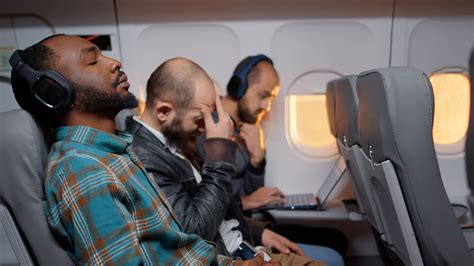
While the perks are notable, red eye flights are not universally better. For many, the inability to sleep sitting upright renders the experience exhausting. Passengers with medical conditions, chronic insomnia, or those who simply cannot get comfortable on a plane may find themselves arriving more fatigued than refreshed.
Furthermore, the timing poses logistical challenges:
-
Hotel check-ins typically begin at 3:00 PM, meaning early arrivals may have to wait hours before accessing their rooms.
-
Public transportation may be limited during early morning arrivals in certain cities.
-
Jet lag can worsen if a proper sleep schedule isn’t maintained post-flight.
As one Redditor aptly stated, “Landing in a foreign country after not sleeping for 24+ hours and still having to wait another 8 hours until your hotel room is available is not a fun experience.”
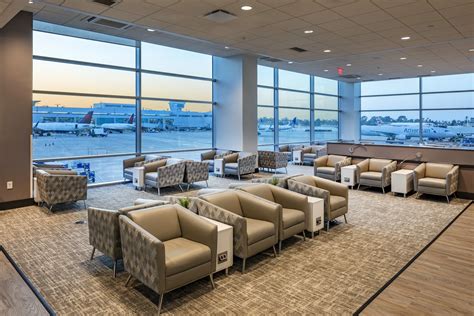
The Business Travel Advantage
Business travelers often gravitate toward red eye flights for their strategic scheduling benefits. Arriving early means attending same-day meetings without needing extra hotel nights, and avoiding the downtime typically associated with daytime travel.
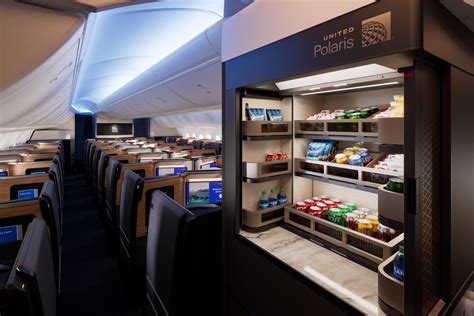
Frequent flyers with elite status often combine red eyes with upgrades to first class, maximizing comfort and productivity. Many carriers offer lie-flat seats, noise-cancelling headphones, and onboard meal service tailored to overnight rest.
Adventure and Aesthetics: The Unseen Perks
There are also some unique atmospheric benefits exclusive to flying overnight. Some passengers report awe-inspiring experiences such as:
-
Seeing the Northern Lights over Greenland
-
Flying through lightning storms with dramatic skies
-
Watching the sun rise from above the clouds while the rest of the cabin sleeps
These moments, while rare, offer a kind of travel magic absent from conventional daytime flights.
When Red Eyes Make the Most Sense
While they aren’t ideal for every traveler, red eye flights shine in specific scenarios:
-
Cross-country U.S. travel (e.g., west to east)
-
International travel requiring morning arrival
-
Cost-saving trips on tight budgets
-
Business schedules that demand daytime productivity
Travelers who plan ahead—such as by bringing travel pillows, noise-canceling headphones, or sleep aids like melatonin—can dramatically improve their red eye experience.
Situations Where Daytime Flights Are Better
Despite their advantages, red eyes can backfire for passengers who:
-
Are unable to fall asleep on planes
-
Suffer from back, neck, or joint pain
-
Need to arrive rested for physically demanding tasks
-
Have children or family traveling who require rest and comfort
In such cases, it may be better to fly during the day, even if it means sacrificing a few extra hours of vacation or paying more.
Final Verdict: Are Red Eye Flights Better?
The answer is yes—for certain travelers and scenarios. Red eye flights offer tangible benefits in terms of cost, efficiency, and convenience. They are ideal for adaptable, prepared flyers who prioritize budget and time over comfort. However, they demand a certain level of flexibility and sleep-readiness that not all travelers possess.
Thus, red eyes are not objectively “better”, but rather better suited for specific needs. With proper planning and realistic expectations, they can be an excellent way to travel smarter and stretch time and money further.
FAQ
Are red eye flights cheaper than daytime flights?
Yes, red eye flights are typically cheaper due to lower demand. Many passengers avoid overnight travel, leading airlines to reduce fares in order to fill seats. This creates opportunities for budget-conscious travelers to save significantly.
Is it safe to take a red eye flight?
Yes, red eye flights are just as safe as daytime flights. Airline crews, including pilots and attendants, follow strict duty hour regulations and are fully rested. Aircraft are maintained to the same standards regardless of the time of departure.
Can you really sleep on a red eye flight?
It depends on the individual. Travelers who can sleep sitting upright, bring sleep aids, or use travel pillows often rest well. Others may find it difficult due to cabin noise, lighting, or physical discomfort, especially in economy class.