
Understanding the Concept of a Red Eye Flight
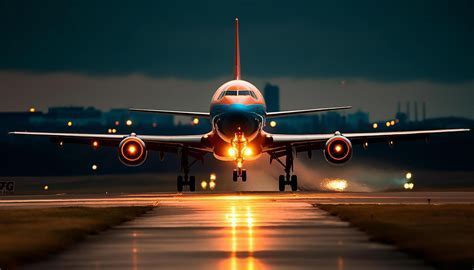
A red eye flight is a commercial airline service that departs late at night and arrives the next morning, typically covering a long-haul domestic or international route. The term derives from the fatigued, bloodshot eyes passengers often experience due to lack of sleep on overnight flights. While the image may not initially be appealing, these flights have become essential tools for savvy travelers seeking to maximize efficiency, reduce costs, and strategically manage their time.
The concept gained popularity with business travelers in the United States, particularly on transcontinental routes such as Los Angeles to New York, where arriving at dawn allows one to begin a full workday without requiring an extra night of lodging. As global travel intensified, red eye flights became more common on intercontinental routes, offering similar benefits to both corporate and leisure travelers.
Advantages of Booking a Red Eye Flight
1. Reduced Fares and Lighter Crowds
One of the most compelling benefits of red eye flights is the significant cost savings. Airlines often lower prices for overnight journeys due to lower demand. With fewer passengers willing to compromise sleep for travel, the result is not only lower fares—sometimes by as much as 50% compared to daytime flights—but also greater seating availability.
Travelers on red eye flights often find themselves with empty rows nearby, which means more space to lie down, stretch, and even sleep—something rarely possible on fully booked daytime flights. Furthermore, hand luggage restrictions are sometimes relaxed on these routes, owing to lower passenger volumes and less overhead bin competition.
2. Quieter, Stress-Free Airports
Airports during red eye hours feel drastically different from their daytime counterparts. Check-in counters, security checkpoints, and boarding gates are usually devoid of the long queues and bustle typical of peak hours. This streamlines the pre-flight process, reducing overall stress.
On arrival, the benefits continue. Early morning landings generally precede the first wave of daily traffic, meaning faster baggage claim, easier customs clearance, and quicker transportation options. Travelers can exit the airport and begin their day without the delays and congestion that plague daytime arrivals.

3. Maximum Time Optimization
In today’s fast-paced world, time is the ultimate currency. Red eye flights allow passengers to travel while sleeping, preserving daylight hours for activities that matter—whether that’s closing a deal, exploring a destination, or attending an event.
Business professionals often use red eyes to attend morning meetings without booking extra hotel nights. Tourists can land early and start sightseeing immediately. The time savings are undeniable and valuable to anyone looking to make the most of limited days away.
Sleep Challenges and Solutions on Red Eye Flights
Flying overnight is only effective when rest is achieved. Unfortunately, the environment inside a plane is rarely conducive to sleep without preparation. To maximize the utility of a red eye flight, travelers must replicate a bedtime routine and bring essential accessories that support rest.
Essential Items for Restful Red Eye Travel
-
Toothbrush and Toothpaste: Reproducing your bedtime hygiene habits helps condition your mind for sleep. Brushing your teeth before dozing off, even in an aircraft lavatory, promotes comfort and normalcy.
-
Travel Pillow: Products like the Go Neck Pillow, with ergonomic 360º design, provide neck support and reduce strain, even in upright seating. A stable head position reduces neck cramps and encourages deep sleep.
-
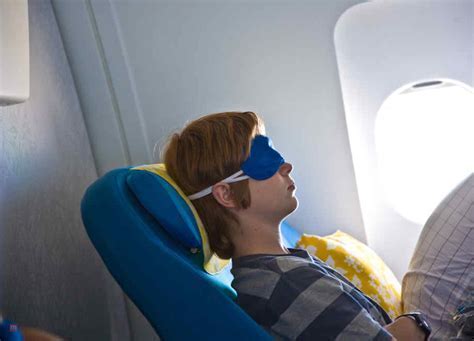
Eye Mask: Despite cabin lights often being dimmed, ambient lighting from emergency signs or other passengers’ devices can interrupt sleep cycles. The Eye Mask offers full blackout coverage, vital for complete rest.
-
Earplugs: Engines, cabin service carts, and nearby conversations can make restful sleep nearly impossible. High-density earplugs offer noise isolation that mitigates disruptions.
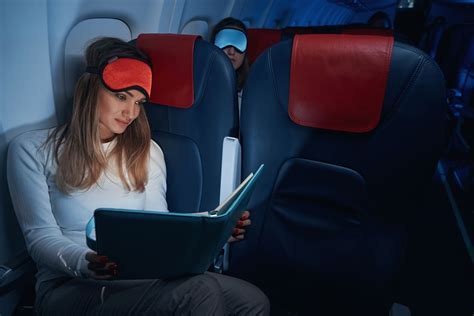
Maintaining hydration is equally important. Cabin air is dry and often dehydrates passengers, exacerbating fatigue. Bring a reusable bottle and ask for water during inflight service to stay hydrated.
Is a Red Eye Flight Right for You?
Not every traveler is a natural fit for red eye travel. Those who struggle to sleep outside their normal environments or have difficulty adjusting to circadian rhythm disruptions may find overnight flights challenging. However, with the right mindset and gear, even light sleepers can benefit.
Frequent flyers, corporate professionals, and budget-conscious explorers are ideal candidates. Young travelers, especially those used to flexible sleep patterns, adapt well to red eye itineraries. Families with children, however, may face more difficulties unless the children are comfortable sleeping in unfamiliar settings.
Preparing for a Smooth Arrival
Upon landing from a red eye flight, it’s critical to start the day with intention. The first few hours after arrival set the tone for the rest of the day, especially if no time is allocated for recovery sleep.
Post-Flight Recommendations
-
Stretch and hydrate immediately after deplaning to counteract jet lag and stiffness.
-
Grab a nutritious breakfast, ideally one high in protein and fiber to restore energy levels.
-
Avoid caffeine until mid-morning, especially if you plan to sleep later in the day.
-
Plan light morning activities if possible; avoid heavy physical or cognitive demands until your body has adjusted.
These habits can ease the transition from flight to full activity and help prevent the ‘travel fog’ often associated with red eye journeys.
Red Eye Flights and Jet Lag: Mitigation Strategies
Jet lag is not caused by red eye flights per se, but by rapid travel across time zones. However, the overnight nature of red eye itineraries can either mitigate or amplify jet lag depending on preparation.
To minimize circadian disruption:
-
Adjust your sleep schedule a few days before departure to match your destination.
-
Use light strategically—seek bright light in the morning at your arrival city to reset your internal clock.
-
Avoid alcohol and heavy meals before and during the flight, as they interfere with restorative sleep.
-
Use melatonin cautiously under professional guidance to encourage natural sleep timing.
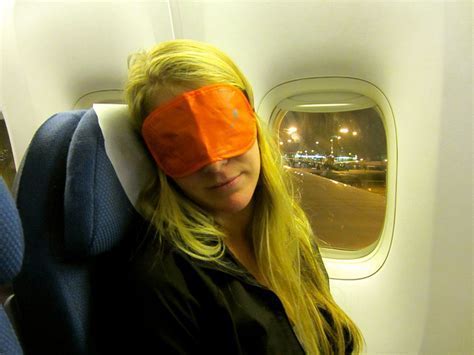
When executed properly, red eye flights can actually aid in adapting to new time zones, particularly when flying eastward. By sleeping through the flight and waking up at destination dawn, passengers simulate a standard night’s rest aligned with local time.
Red Eye Flights in the Post-Pandemic Era
In the wake of global travel disruptions, airlines have reevaluated overnight route availability. However, red eye flights have proven resilient and increasingly relevant, especially as remote work policies expand.
Digital nomads, hybrid workers, and location-independent professionals leverage red eyes to travel efficiently without interrupting work schedules. Airlines are also offering enhanced cabin amenities, including improved lighting, better sleep kits, and noise-canceling tech for red eye travelers.
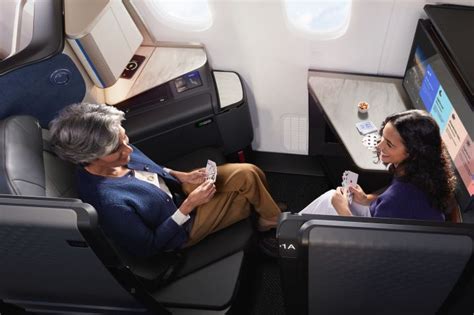
As sustainability becomes a greater focus, utilizing night flights helps optimize aircraft usage, reducing airport congestion and supporting eco-efficient scheduling. These collective benefits point toward a bright future for the red eye concept.
Frequently Asked Questions
What time is considered a red eye flight?
Red eye flights typically depart between 9:00 PM and 1:00 AM and arrive at their destination early the following morning, usually between 5:00 AM and 7:00 AM. The exact timing may vary based on route and time zone.
Do red eye flights have more turbulence?
No, turbulence is primarily influenced by weather patterns and atmospheric conditions rather than the time of day. In fact, red eye flights can sometimes experience smoother rides due to less daytime convective activity and reduced air traffic.
Are red eye flights safe?
Absolutely. Red eye flights are as safe as any daytime service, subject to the same FAA regulations, pilot rest requirements, and maintenance standards. Crews operating overnight are highly trained for nocturnal navigation and passenger care.