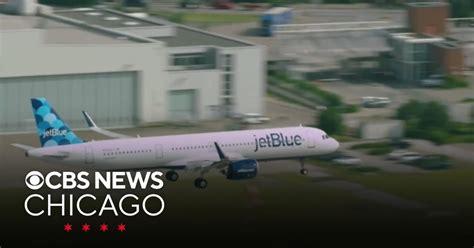
Passengers aboard a late-night transcontinental flight operated by JetBlue Airways experienced an unexpected disruption when an unexplained cabin odor forced the aircraft to divert mid-flight. The incident, which unfolded in the early hours of April 17, highlights the aviation industry’s uncompromising stance on in-flight safety—particularly when unusual conditions arise at cruising altitude.
The flight, operated by an Airbus A321, had departed San Francisco International Airport bound for Boston Logan International Airport. What began as a routine overnight journey quickly escalated into a precautionary diversion when crew members detected an odor whose source could not be immediately identified.
Despite initial inspections after landing, the origin of the smell remains undetermined, prompting the Federal Aviation Administration to initiate a formal investigation into the incident.
Flight Timeline: From San Francisco Departure to Chicago Diversion
According to flight tracking data, the aircraft—registration N945JT—departed San Francisco at 9:26 PM local time, slightly over an hour behind schedule. After takeoff, the jet climbed to a cruising altitude of 35,000 feet and followed a standard eastbound trajectory across the United States.
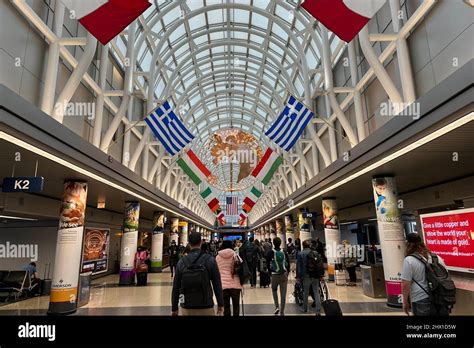
Roughly two and a half hours into the flight, the situation changed. The aircraft entered a holding pattern over Iowa, executing a controlled circular maneuver before beginning its descent toward Chicago O’Hare International Airport. This decision, made by the flight crew, reflected established aviation protocols that prioritize immediate risk mitigation over schedule adherence.
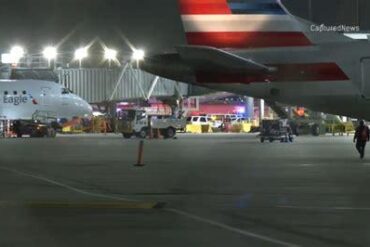
The aircraft landed safely at approximately 3:04 AM, where passengers disembarked without reported injuries. However, the disruption translated into a long and exhausting wait, as travelers remained in Chicago for several hours before continuing their journey.
Passenger Experience: A Long Night Turns Longer
For those onboard, the diversion meant more than just a change of destination—it transformed a red-eye flight into an extended travel ordeal. After landing, passengers waited until nearly noon for a replacement aircraft to continue to Boston.
JetBlue arranged a substitute Airbus A321, which departed Chicago later that morning. The replacement flight ultimately arrived in Boston at 2:49 PM, turning what should have been a seamless overnight trip into a nearly 18-hour travel experience.
While such delays are frustrating, they underscore a critical principle in aviation: safety decisions are never compromised for convenience. Even in the absence of visible smoke or immediate danger, unexplained odors are treated with the utmost seriousness.
Aircraft Details and Operational Context
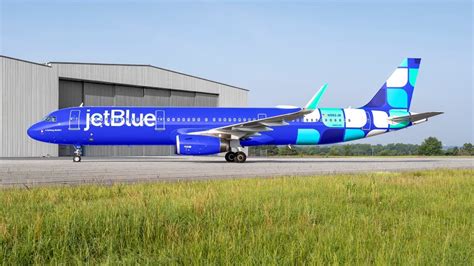
The aircraft involved, known informally as “A Blue Mintality,” has been part of JetBlue’s fleet since December 2014. Configured to carry up to 159 passengers, it features both Mint (business class) and economy seating, making it a key asset for premium transcontinental routes.
Powered by twin IAE V2533-A5 engines, the Airbus A321 is widely regarded as a reliable workhorse in short- to medium-haul aviation. Yet, even highly dependable aircraft are not immune to anomalies—particularly when it comes to cabin air systems, which are complex and sensitive to contamination.
Following the incident, the aircraft remained grounded in Chicago pending further technical evaluation, with no immediate timeline for its return to service.
Why Cabin Odors Trigger Immediate Diversions
Cabin odors in commercial aircraft are not uncommon, but their causes can range from harmless to potentially hazardous. The most concerning smells—often described as smoky, oily, or sweet—may indicate issues such as electrical faults or contamination in the aircraft’s bleed air system.
This system channels compressed air from the engines into the cabin for pressurization and ventilation. If contaminants enter this airflow, they can quickly circulate throughout the aircraft interior.
Exposure to such conditions can lead to symptoms including dizziness, headaches, and nausea. In more severe cases, prolonged exposure may pose long-term health risks. As a result, pilots are trained to treat any unidentified odor as a potential threat, initiating diversion procedures to the nearest suitable airport.
In extreme scenarios, oxygen masks may be deployed to protect passengers and crew during descent. Although this was not required in this case, the swift decision to divert reflects industry best practices.
FAA Investigation and Industry Implications
The FAA’s involvement signals the seriousness with which such incidents are regarded. Investigators will examine maintenance records, crew reports, and environmental control system data to determine the root cause of the odor.
While initial inspections did not reveal an obvious source, deeper analysis may uncover subtle mechanical or environmental factors. These findings could contribute to broader safety recommendations, benefiting not only JetBlue but the aviation industry as a whole.
For passengers, the episode serves as a reminder that modern air travel is built on layers of precaution. Even when the cause of a disruption is unclear, the systems in place are designed to err on the side of safety—every time.
And while an unexpected landing in Chicago at 3 AM is far from ideal, it’s also evidence of a system working exactly as intended.