A routine ultra-long-haul journey turned into a high-stakes in-flight emergency when a passenger aboard a Qantas Airways flight from Melbourne to Dallas/Fort Worth allegedly became violent, ultimately biting a flight attendant and forcing an unscheduled diversion to Tahiti. The incident, which unfolded thousands of miles from either departure or destination, has intensified global scrutiny over rising cases of disruptive passenger behavior and the growing risks faced by airline crews.
Escalation at 35,000 Feet: Inside the Midair Breakdown
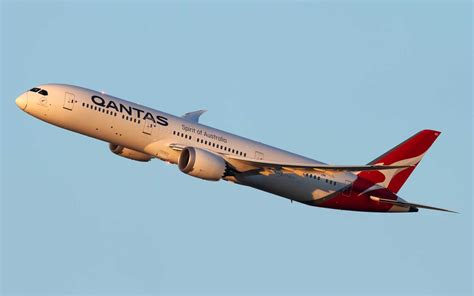
The disturbance occurred aboard QF21, operated by a Boeing 787 Dreamliner, one of Qantas’ flagship aircraft designed for endurance routes stretching nearly 9,000 miles. What began as a long but uneventful transpacific flight reportedly shifted dramatically several hours into the journey, when passengers noticed a man behaving erratically in the cabin.
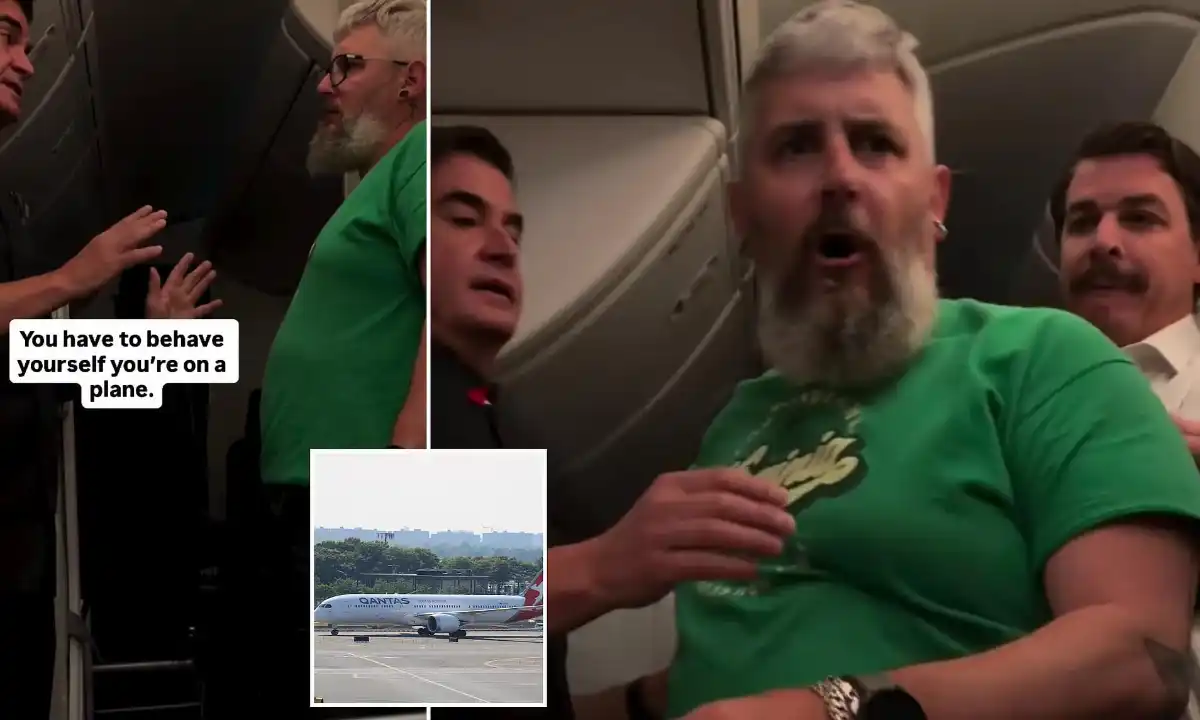
Witness accounts describe a gradual escalation. Raised voices, visible agitation, and repeated confrontations with cabin crew signaled that the situation was deteriorating. The passenger allegedly ignored multiple instructions, including strict safety regulations, and reportedly attempted to smoke onboard—an act that immediately triggers serious safety concerns in aviation.
As tensions rose, crew members moved to contain the situation, but the confrontation intensified. The passenger allegedly became physically aggressive, culminating in a shocking moment when he bit a flight attendant during an attempt to restrain him. The act not only endangered the crew member involved but also heightened anxiety across the cabin.
Passengers seated nearby described a tense and emotionally charged atmosphere, with several individuals stepping in to assist crew members in subduing the individual. Video clips later shared online revealed fragments of the altercation, offering a glimpse into the chaotic environment unfolding midair.
Critical Decision: Why the Flight Diverted to Tahiti
Faced with a volatile situation and potential risk to all onboard, the flight crew made a decisive call: divert the aircraft to Fa’a’ā International Airport in Tahiti. Such decisions are never taken lightly, particularly on ultra-long-haul routes where operational complexity is significantly higher.
Diversions require careful calculation. Pilots must assess fuel reserves, identify suitable airports capable of handling widebody aircraft, coordinate with air traffic control, and ensure compliance with crew duty limits. In this case, Tahiti represented the most viable option within reach.
Upon landing, local authorities boarded the aircraft and removed the passenger without further incident. While the situation was resolved on the ground, the ripple effects were immediate. Passengers experienced significant delays, and the airline absorbed logistical and financial consequences associated with the diversion.
Industry analysts estimate that diversions of this nature can cost airlines tens of thousands of dollars. Expenses include additional fuel burn, airport handling fees, rescheduling complexities, and potential crew replacements. Beyond the financial toll, such disruptions also strain operational reliability and passenger confidence.
Zero Tolerance: Airline Responds with Permanent Ban
In the aftermath, Qantas acted swiftly, confirming that the passenger involved had been permanently banned from flying with the airline and its affiliated brands. The decision reflects a broader industry stance that prioritizes safety above all else, particularly in confined environments where escalation can have serious consequences.
The airline publicly emphasized its zero-tolerance policy toward abusive and violent conduct, reinforcing the message that interference with crew duties is not merely disruptive—it is a direct threat to flight safety. The affected flight attendant, along with the rest of the crew, was commended for maintaining professionalism under extreme pressure.
A Growing Pattern: The Rise of In-Flight Disruptions
This incident is not isolated. Airlines worldwide have reported an uptick in disruptive passenger behavior in recent years, with alcohol consumption frequently cited as a contributing factor. Long-haul flights, in particular, create a unique environment where fatigue, confinement, and intoxication can combine to amplify tensions.
Aviation bodies have repeatedly warned that such behavior places undue stress on frontline crew members, who are trained not only in service delivery but also in conflict management and emergency response. When situations escalate to physical violence, the risks multiply rapidly.
Flight attendants’ unions have called for stricter enforcement of penalties, including criminal charges and substantial fines for offenders. In many jurisdictions, assaulting a crew member or interfering with flight operations carries severe legal consequences, including imprisonment.
The Human Cost: Pressure on Cabin Crew
Behind every incident lies a human dimension that often goes overlooked. Cabin crew operate in a high-pressure environment where safety responsibilities intersect with customer service expectations. When confronted with aggression, they must act decisively while maintaining composure, often without immediate external support.
The biting incident underscores the vulnerability of crew members in such scenarios. Physical assaults, even when contained, can result in injury, psychological stress, and long-term impacts on wellbeing. Airlines are increasingly investing in training and support systems, but the unpredictability of passenger behavior remains a persistent challenge.
One Passenger, Hundreds Affected
Perhaps the most striking aspect of incidents like this is the disproportionate impact of a single individual. One disruptive passenger can derail an entire flight, affecting hundreds of travelers, altering schedules, and introducing safety risks that extend far beyond the initial confrontation.
For those onboard, the experience is more than an inconvenience. It disrupts travel plans, creates anxiety, and undermines the sense of security that is fundamental to air travel. For airlines, it reinforces the need for vigilance, rapid response protocols, and firm enforcement of behavioral standards.
A Defining Reminder for Modern Aviation
The Qantas incident serves as a stark reminder that even in an era of advanced aircraft and sophisticated operations, human behavior remains one of the most unpredictable variables in aviation. Technology can optimize routes and enhance safety systems, but maintaining order inside the cabin ultimately depends on cooperation, discipline, and respect.
As airlines continue to expand ultra-long-haul networks, connecting distant continents with nonstop flights, the stakes grow higher. Managing passenger conduct is no longer a peripheral concern—it is central to ensuring the safety and sustainability of modern air travel.
The message from this incident is unequivocal: disruptive behavior carries real consequences, and the aviation industry is prepared to act decisively when safety is compromised.