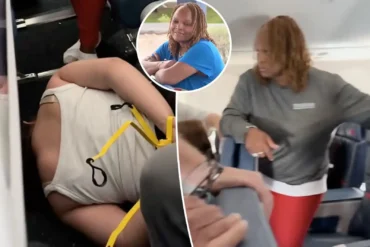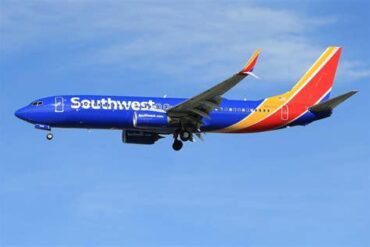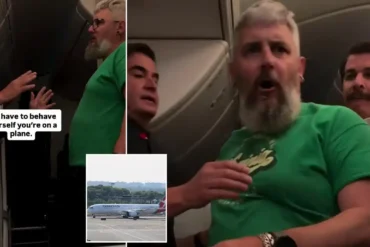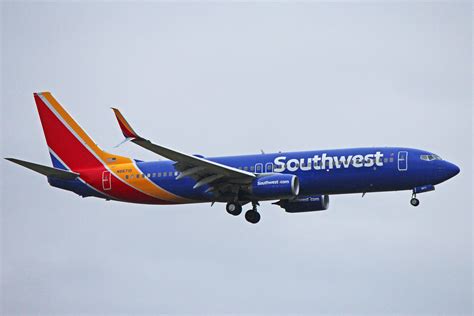
On May 22, 2025, a Southwest Airlines flight from Nashville to Phoenix was forced to divert to Oklahoma City after a disturbing midair incident involving a passenger allegedly trying to open an emergency exit and violently assaulting flight crew members. According to a sworn FBI affidavit, Jendaya Kashar Brennan, 30, now faces federal charges for interference with flight crew members and attendants — a serious offense that could result in up to 20 years in prison and a $250,000 fine.
A Flight Interrupted: Incident Unfolds on Southwest Flight 3239
Southwest Flight 3239 departed Nashville International Airport (BNA) en route to Phoenix Sky Harbor International Airport (PHX), a journey typically spanning just over three hours. But as the aircraft cruised mid-flight aboard a Boeing 737, an escalating onboard confrontation forced the captain to make an urgent decision.
According to Flightradar24 data, the flight diverted sharply toward Will Rogers World Airport in Oklahoma City, approximately midway through its route. The reason: an uncooperative and violent passenger whose behavior risked the safety of everyone onboard.
The Alleged Attempt to Open an Exit Door in Midair
The affidavit, signed by a special agent with the FBI, states that Brennan, who was seated in the last row of the aircraft, became agitated and told flight attendants she wanted to disembark. Shortly after, she allegedly attempted to open the rear exit door — an action that, while physically impossible due to aircraft pressurization at cruising altitude, triggered widespread fear among passengers and crew.
Despite repeated commands from flight attendants to stop, Brennan continued her attempts. One crew member physically positioned themselves in front of the door to prevent her access. As tensions escalated, two passengers — later identified as retired correctional officers — were asked to assist in physically restraining the woman.
Physical Assault on Flight Crew Members
The incident grew more volatile when crew members attempted to apply wrist restraints. According to the affidavit, Brennan kicked flight attendants in the legs and spat on them while resisting restraint efforts. In one alarming moment, she reportedly tried to pull a flight attendant by their lanyard, a move that risked severe injury and loss of control.
As the situation deteriorated, the crew applied leg restraints in addition to the wrist ties. However, Brennan allegedly broke free of the wrist restraints and continued yelling and physically struggling until the plane touched down in Oklahoma.
Tactical Response and Diversion to Oklahoma City
Faced with a chaotic and potentially dangerous situation, the captain decided to divert the aircraft to the nearest major airport. He expressed concern that either the crew or passengers could be seriously injured if the incident continued.
Upon landing in Oklahoma City, local law enforcement officers met the plane on the tarmac. Brennan, still shouting and resisting, was removed from the aircraft by police. There were no reports of serious physical injuries, though the psychological toll on passengers and crew is likely to be significant.
Legal Ramifications: Federal Indictment for Interfering with Crew
On Tuesday, June 4, a federal grand jury formally indicted Jendaya Kashar Brennan. She now faces one count of interference with flight crew members and attendants, a federal offense under Title 49 of the United States Code, Section 46504.
This statute criminalizes any assault, intimidation, or threat directed at flight crew members or attendants while performing their duties. If convicted, Brennan faces a maximum penalty of 20 years imprisonment and a fine of $250,000, though actual sentencing depends on a range of judicial and mitigating factors.
The Science of Airplane Doors and Cabin Pressure
While the incident was understandably terrifying for all onboard, it is important to note that passengers cannot physically open a pressurized aircraft door at cruising altitude. Due to the difference in cabin and external air pressure, an outward-opening door on a commercial aircraft remains effectively sealed until the aircraft is on the ground.
Most modern commercial jet doors, including those on the Boeing 737, are designed to open inward slightly before pivoting outward, meaning internal cabin pressure acts as a natural locking mechanism at altitude. Regardless, any attempt to manipulate a door midair represents a major security and safety violation.
Crew and Passenger Heroism Prevented Greater Harm
The affidavit emphasizes the calm and professional conduct of the flight crew and the courageous intervention of two retired correctional officers, who were instrumental in subduing Brennan without lethal force. Their actions likely prevented further injury or chaos, demonstrating the importance of passenger cooperation in emergencies.
Such events underscore the challenging environment flight attendants operate within — one where they must balance customer service, regulatory compliance, and passenger safety, all while being prepared to neutralize serious onboard threats at 35,000 feet.
A Rising Trend in Air Rage Incidents
The incident is part of a concerning trend of increasingly aggressive passenger behavior on commercial flights. Since the pandemic era, reports of so-called “air rage” have surged, prompting both the Federal Aviation Administration (FAA) and airlines to push for stricter enforcement and penalties.
In 2021 alone, the FAA recorded over 6,000 unruly passenger reports, with more than 1,100 involving physical assault or threats toward crew. While numbers have slightly declined since, federal agencies continue to monitor these events with growing concern.
Airline Security and Legal Enforcement Measures
Southwest Airlines has not issued an extensive statement on this particular case but reaffirmed their zero-tolerance policy toward in-flight violence. The airline, like many others, now trains crew in de-escalation tactics, applies civil penalties, and bans passengers permanently when appropriate.
The FAA, working in coordination with the Department of Justice, has also strengthened protocols for referring unruly passengers for criminal prosecution, particularly when such behavior compromises aircraft security.
What Happens Next in the Brennan Case
As the case proceeds through federal court, prosecutors will likely rely heavily on the first-hand accounts from flight crew and passengers, as well as video evidence if any exists. The defendant’s mental state and potential intoxication may also play a role in determining culpability and sentencing.
If convicted, Brennan would join a growing list of passengers held legally accountable for endangering public safety in the aviation sector. The case also serves as a sobering reminder that even one individual’s actions can derail an entire flight, endanger dozens of lives, and prompt national headlines.
Conclusion: A Critical Inflection Point for Passenger Conduct
This violent midair incident on Southwest Flight 3239 is a jarring example of the rising tension onboard commercial flights and the legal weight behind interfering with flight operations. As federal courts continue to enforce strict penalties, it remains vital for the traveling public to understand that airlines are not powerless in the face of in-flight aggression.
With a highly visible indictment now filed, and a court date looming, the Brennan case may well become a legal touchstone in the battle against air rage — reinforcing both the importance of crew authority and the severe consequences of disrupting the sanctity of air travel.