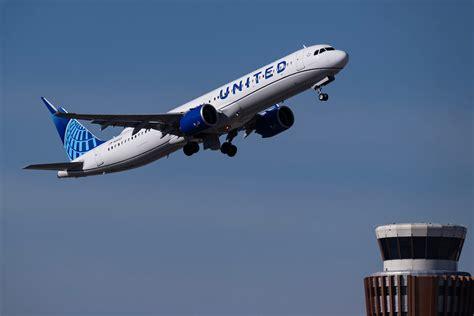
Commercial aviation has long operated under a simple principle: anything perceived as a potential threat must be treated seriously until proven otherwise. That reality collided with modern digital behavior on a recent United Airlines flight when a passenger reportedly activated a personal Wi-Fi hotspot carrying a politically charged name linked to the Israel-Palestine conflict. Within moments, the issue escalated from an onboard annoyance to a federal security warning delivered directly from the cockpit.
According to a firsthand account shared online, the hotspot name displayed the phrase “Free Palestine, F Zionists.” The wording immediately drew attention from the flight crew, ultimately prompting the pilot to make a stern announcement over the aircraft’s public address system. Passengers were reportedly told that the individual responsible had 30 seconds to disable the hotspot or the aircraft would be met by the FBI upon landing.
The confrontation instantly transformed the atmosphere inside the cabin. What began as a digital message visible on nearby devices evolved into a tense security situation involving hundreds of passengers trapped in a confined environment at cruising altitude. Several travelers reportedly began scanning the cabin to identify who had created the network name, while others reacted with discomfort, frustration, or disbelief at how quickly the situation intensified.
The passenger who documented the experience described the silence after the captain’s warning as overwhelming. Travelers stopped talking, glanced nervously at one another, and waited to see whether the situation would escalate further. In an era where aviation security announcements often precede emergency diversions or police intervention, the mention of the FBI carried undeniable weight.
Why Airlines Treat Suspicious Wi-Fi Hotspot Names Seriously
Although the hotspot name reportedly contained no direct threat involving weapons or explosives, airlines increasingly view unusual network names as potential security concerns. Aviation crews are trained to react aggressively to anything that could suggest extremist messaging, intimidation, or possible disruption onboard an aircraft.
In the years following the September 11 attacks, aviation security procedures expanded far beyond physical objects or verbal threats. Modern security awareness now includes digital behavior, electronic communications, suspicious social media activity, and even Bluetooth or Wi-Fi identifiers visible to nearby passengers and crew.
Airline personnel understand that what appears to be a joke, political statement, or offensive prank can rapidly create panic inside a pressurized aircraft cabin. Pilots also face enormous legal and professional pressure if they fail to act decisively and a situation later proves credible.
United Airlines has not publicly indicated whether law enforcement ultimately became involved after landing, but the pilot’s warning reflects how seriously crews are expected to treat ambiguous situations tied to politically sensitive subjects or terrorism-related terminology.
Recent Aviation Incidents Have Heightened Airline Sensitivity
The airline industry’s heightened caution did not emerge in isolation. Several recent incidents involving provocative hotspot names forced authorities across Europe and the Middle East to respond as though genuine threats existed.
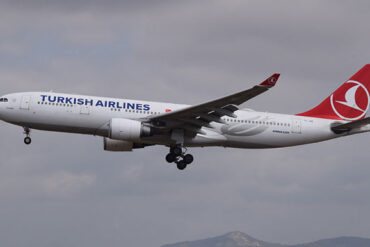
Earlier this year, a Turkish Airlines flight diverted to Barcelona after a Wi-Fi network reportedly displayed the message “I HAVE A BOMB. EVERYONE WILL DIE.” Spanish authorities met the aircraft with bomb-sniffing dogs and emergency response teams. Even though the message was eventually believed to be non-credible, the disruption created major operational delays and widespread alarm.
In another incident, Israeli fighter jets intercepted a Wizz Air flight traveling from London to Tel Aviv after a hotspot name allegedly included the word “terrorist.” The aircraft was escorted as a precautionary measure due to Israel’s strict aviation security protocols.
Meanwhile, a KLM flight departing Málaga for Amsterdam experienced hours of delays after authorities investigated a hotspot message translating to “God is great — there is a bomb on board.” The aircraft remained grounded while police conducted security inspections and questioned passengers.
Each case reinforces the same operational reality: airlines cannot afford to dismiss suspicious digital messages, regardless of whether the person responsible intended them as humor, activism, or provocation.
The Political Dimension Made The Situation Even More Sensitive
The wording used in the United Airlines incident added another layer of complexity because it intersected directly with one of the world’s most emotionally charged geopolitical conflicts. Debate surrounding the terms “Zionist” and “Zionism” remains deeply polarizing across political, religious, and cultural lines.
Some organizations and commentators argue that hostile language directed at Zionists can function as coded anti-Semitic rhetoric. Others maintain that criticism of Zionism represents political opposition to Israeli government policies rather than hostility toward Jewish people.
Inside an aircraft cabin, however, airline crews are not tasked with resolving ideological debates. Their responsibility is maintaining order and ensuring passenger safety. Any phrase capable of provoking fear, confrontation, or confusion may be treated as disruptive behavior under airline policies.
Private airlines also possess broad authority to restrict speech or conduct onboard their aircraft. Passengers have previously been removed for wearing offensive clothing, displaying inflammatory slogans, or engaging in confrontational political demonstrations during flights.
The pilot’s decision to invoke the FBI may appear excessive to some observers, particularly because no explicit bomb threat accompanied the hotspot name. Yet airline captains possess sweeping authority when it comes to perceived safety risks. Once a pilot believes a situation could compromise onboard security, immediate intervention becomes standard procedure rather than an overreaction.
Aviation Security Continues To Evolve In The Digital Age
The incident highlights how personal technology has fundamentally altered airline security challenges. Smartphones, portable hotspots, encrypted messaging apps, and anonymous network names now create entirely new categories of inflight risk management.
A passenger no longer needs to verbally threaten an aircraft to trigger alarm. A few words typed into a hotspot name can spread across dozens of nearby devices within seconds, creating confusion and panic before crew members even identify the source.
For airlines already operating under immense scrutiny, caution consistently outweighs skepticism. Pilots are trained to assume worst-case scenarios because the consequences of ignoring a credible threat can be catastrophic.
As digital communication becomes more integrated into everyday travel, incidents involving provocative hotspot names will likely continue forcing airlines to balance free expression, political sensitivity, passenger behavior, and national security concerns at 35,000 feet.