Two separate international flights were forced into unscheduled landings after aggressive passenger behavior escalated to a level pilots could no longer ignore. A United Airlines service from Frankfurt to Chicago and a Jet2 holiday flight from Antalya to London Gatwick both diverted mid-route after onboard disturbances created safety concerns for crew and travelers.
These incidents were unrelated, yet they reveal the same hard truth about modern aviation: once an aircraft is cruising at altitude, even one disruptive passenger can create a serious operational emergency. There is no roadside stop in the sky, no quick reinforcement team, and no easy way to isolate danger inside a narrow cabin packed with people.
For airlines, a diversion is never a minor inconvenience. It disrupts schedules, strands passengers, creates fuel and staffing complications, and can cost tens of thousands of dollars. More importantly, it means pilots judged the situation serious enough to interrupt an international journey and land somewhere else immediately.
United Airlines Flight UA945 Diverted to Boston
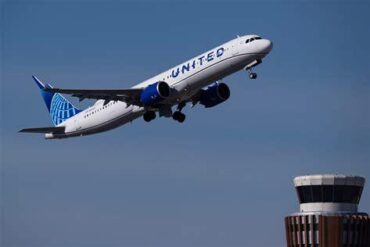
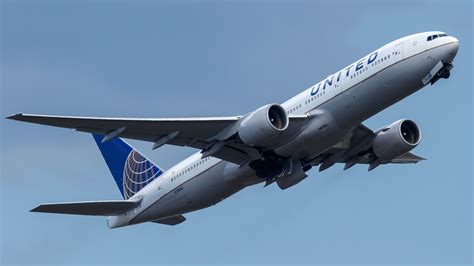
United Airlines flight UA945 departed Frankfurt Airport for Chicago O’Hare on Monday as a routine long-haul transatlantic service. The aircraft, a Boeing 787-10 Dreamliner, was carrying 231 passengers and 12 crew members when an onboard disturbance reportedly forced the crew to take action.
Rather than continue toward Chicago, the pilots diverted to Boston Logan International Airport, where local law enforcement met the aircraft after landing. United later confirmed the aircraft landed safely so authorities could remove a disruptive passenger before the flight resumed its journey.
The airline released only limited details, which is common in active incidents involving law enforcement. Airlines often avoid public speculation until statements are collected and authorities determine whether charges are appropriate.
Massachusetts State Police provided more context, indicating the individual had been restrained during the flight but was cooperative when troopers boarded. The passenger reportedly declined immediate medical attention, was taken into custody, and transported to a local hospital.
That sequence matters. When restraint devices are used onboard, it usually means crew believed the passenger posed an immediate risk to themselves, others, or the operation of the aircraft. Cabin crews do not take such measures lightly.
Jet2 Flight Descends Into Disorder Over Europe
The second diversion appears to have been even more chaotic. A Jet2 flight traveling from Antalya, Turkey, to London Gatwick was forced to divert to Sofia, Bulgaria, after a drunken couple allegedly caused widespread disruption onboard.
Witness reports described the male passenger as threatening crew members and fellow travelers while shouting racist and homophobic abuse. The behavior reportedly intensified during cruise, creating an increasingly volatile cabin environment.
Even more disturbing were reports that the couple’s children were present and crying as the confrontation unfolded. Other passengers allegedly watched the scene deteriorate while crew members attempted to contain the disturbance and protect those nearby.
There were also claims that a woman in her 60s was punched during the incident. If accurate, that moves the event well beyond bad behavior and into alleged criminal assault.
Jet2 diverted the aircraft to Sofia, where Bulgarian military police removed the pair. The airline later confirmed the passengers had been banned for life from flying with Jet2 and signaled it would pursue damages linked to the diversion.
The flight eventually continued to London Gatwick, arriving hours later than scheduled.
Why Airlines Treat Disruptive Passengers as Serious Threats
Some travelers still misunderstand why yelling, intoxication, or refusal to follow instructions can lead to emergency landings. In an airport terminal, such behavior is already unacceptable. Inside a pressurized aircraft at 35,000 feet, it can become dangerous very quickly.
Cabin crews operate in confined aisles with limited physical space and minimal backup. If one passenger becomes violent, threatens staff, intimidates others, or interferes with safety procedures, the risk multiplies instantly.
Potential dangers include:
- Interference with crew instructions during turbulence or emergencies
- Assault on passengers or flight attendants
- Attempts to access doors or secure areas
- Panic among other travelers
- Diversion of crew attention from genuine safety duties
Pilots are trained to think conservatively. If they believe the cabin situation could worsen before arrival, diversion is often the safest decision.
The High Cost of Mid-Air Diversions
An unscheduled landing can be brutally expensive. Fuel planning changes, ground handling must be arranged, airport slots are disrupted, replacement crews may be needed, and passengers often require rebooking or compensation depending on regulations.
For long-haul flights, the financial impact can climb rapidly. Industry analysts have long noted that diversions can cost airlines anywhere from several thousand dollars to well into six figures depending on aircraft type, location, delay length, and onward disruptions.
That means unruly passengers may face more than arrest or airline bans. Carriers increasingly pursue restitution claims, demanding offenders repay costs triggered by their conduct.
In simple terms: one drunken outburst can become a very expensive tantrum.
Airlines Push for Shared Passenger Ban Databases
Jet2 has renewed calls for a broader industry response, arguing that a disruptive passenger banned by one airline should not simply book with another the next day.
The carrier has previously advocated for a national database that would allow UK airlines to identify and refuse the most serious offenders across multiple carriers. Supporters say this would protect staff and passengers while creating real consequences.
Critics, however, raise concerns over due process, appeals, privacy, and how bans would be administered fairly. A shouted argument and a violent assault are clearly not the same offense, so standards would need careful design.
In the United States, a similar debate has surfaced repeatedly. Airlines can maintain their own internal no-fly lists, while federal agencies can fine or prosecute offenders, but there is no universal civil aviation blacklist for routine disruptive conduct.
Recent Cases Show Courts Are Willing to Punish Offenders
Courts in recent years have handed down prison sentences, fines, and restitution orders for severe inflight misconduct. Cases involving assaults on crew, attempts to tamper with emergency exits, and threats to safety have led to federal prosecutions.
That trend sends a clear message: disruptive behavior is no longer treated as travel drama or “holiday excess.” Authorities increasingly view it as interference with transport safety.
For airlines, this tougher stance is overdue. Cabin crew members are customer-service professionals, first responders, security monitors, and emergency managers all at once. Asking them to endure abuse without consequence is no longer acceptable.
What Happens Next for the United and Jet2 Passengers
The final legal outcomes in these two new cases will depend on evidence, witness statements, jurisdiction, and whether authorities file criminal charges. But several consequences are already predictable.
Passengers involved in serious disturbances may face:
- Permanent or long-term airline bans
- Arrest or questioning by police
- Civil claims for diversion costs
- Criminal prosecution
- Difficulty traveling internationally in the future
For the Jet2 passengers, a lifetime ban has already been announced. For the United incident, the airline may also impose internal restrictions depending on the investigation.
A Growing Problem Airlines Can No Longer Ignore
The United and Jet2 diversions show how quickly ordinary flights can turn into security events. What begins as intoxication, verbal abuse, or refusal to comply can escalate into restraint, police intervention, and emergency landing decisions affecting hundreds of innocent travelers.
Most passengers fly without incident, and most journeys end exactly where planned. But when one person chooses aggression over self-control, everyone onboard pays the price.
Airlines now face a choice: continue handling these cases one by one, or build stronger systems that deter offenders before the cabin doors even close.