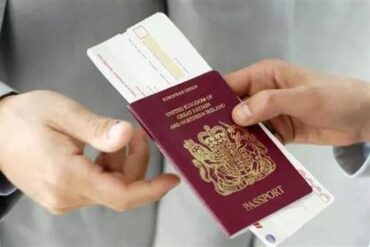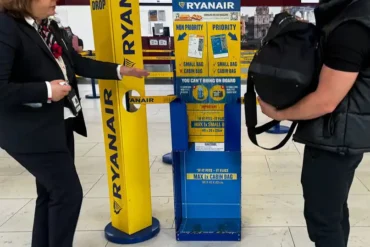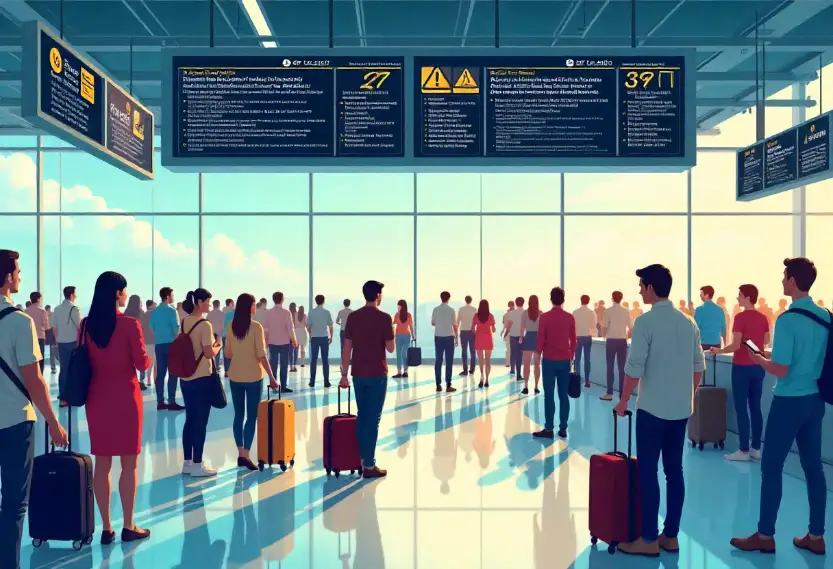
Recent airport policy changes have sparked massive confusion and chaotic travel disruptions for passengers flying with EasyJet, Ryanair, TUI, and Jet2, as 90 percent of travelers fail to understand basic travel rules. From unclear liquid limits to misconceptions about vaping and duty-free allowances, the lack of consistent communication between airports, airlines, and passengers has resulted in mounting frustration, delays, and even legal violations.
Airport Policy Changes Trigger Passenger Confusion
A new study by Vape Globe has exposed a critical issue in modern air travel: most passengers are navigating a maze of misunderstood regulations. The findings reveal that nearly all surveyed travelers struggle to comply with standard airport rules, particularly when flying with major low-cost carriers. The implications are not only inconvenient but potentially hazardous and legally significant.
Food and Drink: Misunderstandings from the Start
One of the most common points of confusion lies in food policies. A shocking 67 percent of passengers incorrectly believe they cannot bring their own food through airport security. While airports generally permit personal snacks, this widespread misconception causes travelers to discard food unnecessarily or spend extra money purchasing meals inside terminals.
Adding to the chaos is the confusion over liquid restrictions. Despite the long-standing rule limiting liquids in hand luggage to 100ml per container, stored in a clear resealable plastic bag, 32 percent of travelers admitted to being uncertain about these limits. This lack of clarity leads to extensive delays at security checkpoints as agents confiscate items and re-screen baggage.
Vaping Regulations: A Legal Risk Many Don’t Understand
The study also sheds light on the confusion surrounding vaping devices and e-cigarettes. With 80 percent of respondents answering incorrectly about vape travel rules, it’s clear that misinformation is widespread. Many travelers are unaware that vapes must be packed in hand luggage—not checked bags—and must be carried through security in clear bags just like liquids or gels.
Alarmingly, 10 percent of those surveyed believe vaping is allowed onboard aircraft, directly contradicting international aviation laws. Vaping on planes is strictly prohibited and treated similarly to smoking cigarettes. Violations can result in fines, flight bans, or even arrest depending on the jurisdiction. The ignorance of such fundamental rules underscores the urgent need for better public awareness.
Duty-Free Shopping: Myths That Could Cost Travelers
Another area plagued by confusion is duty-free allowances. Half of all surveyed passengers mistakenly assume they can bring back unlimited quantities of cigarettes or alcohol, a dangerous assumption that can lead to customs violations and costly penalties. Travelers unaware of country-specific import limits risk having their goods confiscated and being flagged for additional scrutiny in the future.
Compounding the problem, some passengers misunderstand which purchases count as duty-free. Rules vary depending on the country of departure and arrival, and passengers are often unaware that purchases made within the EU, for example, are not always considered duty-free when traveling within the region.
Lighters in Luggage: Safety Hazards Born from Misconceptions
The confusion extends to safety-critical items such as lighters. One in ten travelers incorrectly believes they can be packed in checked luggage. This is a serious misunderstanding, as lighters are classified as hazardous materials and can pose a fire risk in the cargo hold. Regulations clearly state that only one lighter per person is allowed, and it must be carried on one’s person or in carry-on bags—not stowed away in the hold.
What Passengers Are Getting Right
Despite the widespread confusion in several critical areas, there are signs of passenger competency in others. For example:
- 86 percent of respondents understood check-in time rules, ensuring they arrive at the airport with adequate time to spare.
- 93 percent correctly answered questions about alcohol limits, which is vital for avoiding complications during customs checks.
- 88 percent displayed a clear understanding of boarding pass requirements, including how and when to present them during security and gate processing.
While these results are encouraging, they are not enough to offset the problems caused by lack of awareness in other areas.
The Communication Breakdown: Where Airlines and Airports Are Failing
The root of the chaos lies in a communication gap between travelers and the authorities that enforce these policies. Despite being widely published online and displayed at airport checkpoints, these rules are either poorly explained or easily misunderstood by passengers—especially infrequent flyers and tourists with language barriers.
Budget airlines like Ryanair, EasyJet, Jet2, and TUI often focus on ultra-low fares and fast turnaround times. This business model frequently sacrifices detailed customer service and passenger education, resulting in flyers being left to decipher complex airport regulations on their own.
Airports, too, share the blame. Signage and announcements vary dramatically between terminals and countries. Inconsistent enforcement by security personnel adds to the confusion, as some travelers see others pass with prohibited items and assume the rules are flexible or optional.
Regulatory Complexity Across Regions
One of the core challenges is the lack of global standardization. While most airports in Europe follow EU regulations for liquids, electronics, and safety, minor regional variations persist. The UK’s post-Brexit adjustments, for instance, have further complicated duty-free rules and customs declarations.
For travelers flying internationally, the transition between different regulatory regimes can be jarring. A vape that’s permitted in one airport may be seized in another. Alcohol purchased in one country may count against a limit in another. These inconsistencies are rarely explained at the point of sale or boarding, leaving passengers vulnerable to penalties at customs.
What Needs to Change: Calls for Clarity and Consistency
The findings from this study highlight a critical need for reform in how travel regulations are communicated. Stakeholders including airlines, airport authorities, security agencies, and international travel organizations must work together to provide travelers with consistent, accessible, and user-friendly information.
Key areas that demand improvement include:
- Unified travel regulation guides displayed during the booking and check-in processes
- Simplified signage and digital displays in multiple languages at airport entry points
- Pre-flight reminders via email and airline apps, clearly outlining restricted items
- Staff training to ensure consistent enforcement and passenger guidance
Moreover, travel apps, airport websites, and third-party services should integrate real-time regulatory updates to account for changes in national and international law. A central database accessible to both airlines and passengers could reduce misinformation dramatically.
Implications for the Future of Travel
As global air traffic rebounds post-pandemic, passenger volumes are reaching new highs. The surge includes many travelers who haven’t flown in years—or ever. For these individuals, navigating complex and often contradictory rules is daunting. With an overwhelming number of people unprepared for standard security procedures, the risk of delays, missed flights, and onboard incidents will continue to grow.
If steps aren’t taken immediately to improve how regulations are conveyed, airlines and airport authorities risk damaging public trust. Travelers are already voicing their frustrations across social media and travel forums, with calls for greater transparency and accountability growing louder.
In an industry where efficiency, safety, and customer satisfaction are paramount, such a systemic failure to inform passengers is not just an inconvenience—it is a potential liability.
Conclusion: Bridging the Knowledge Gap
The study reveals an urgent challenge for the aviation sector: bridging the gap between policy and passenger understanding. With 90 percent of travelers misunderstanding at least one key rule, it’s evident that better outreach, improved education, and modernized communication tools are needed.
Until then, passengers flying with EasyJet, Ryanair, TUI, and Jet2 will remain vulnerable to misunderstandings that lead to missed flights, fines, and unnecessary stress. A clear, coordinated strategy—backed by airlines, regulators, and airport authorities alike—is the only path forward to restore order, clarity, and confidence in the skies.