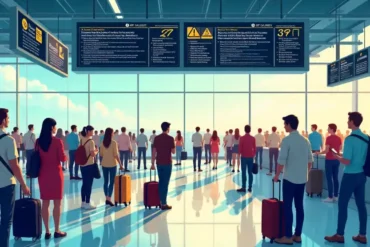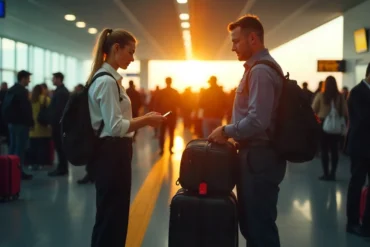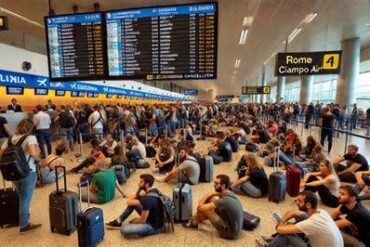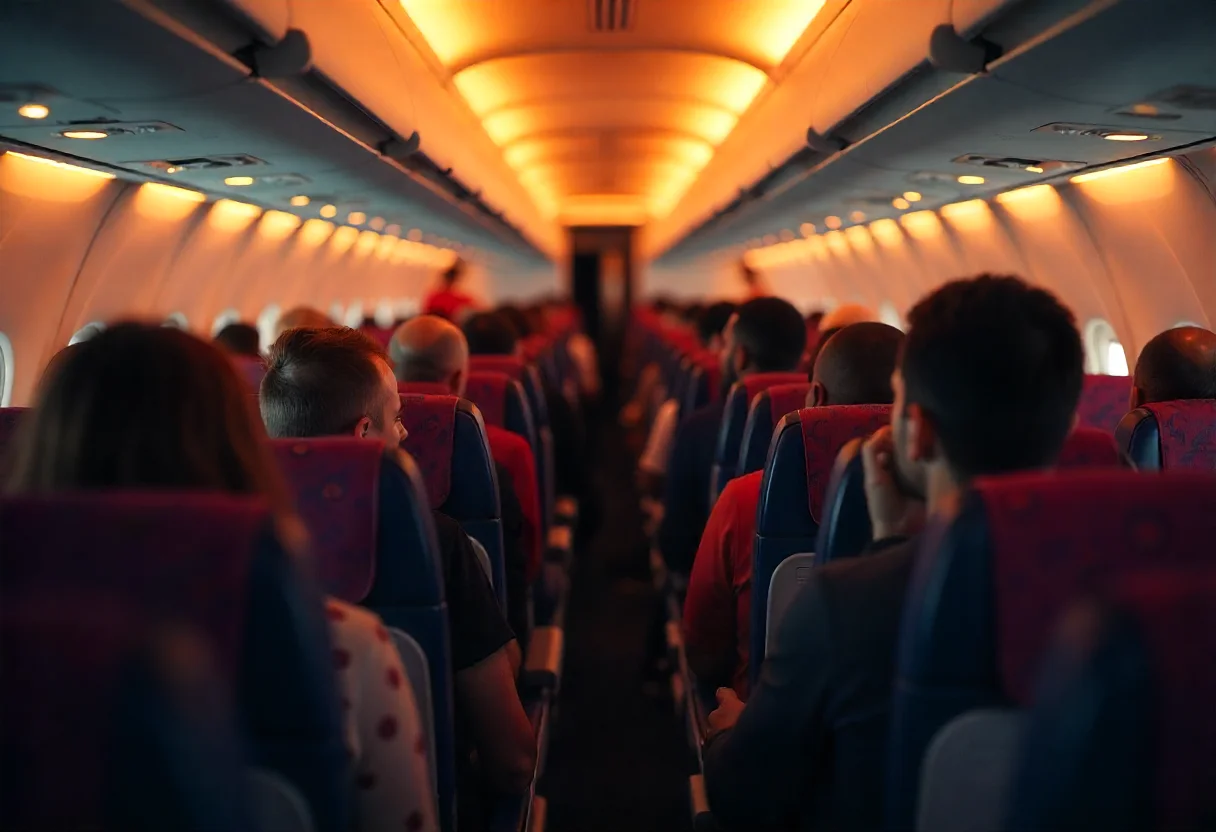
Seat squatting—a practice where passengers take seats not assigned to them—has surged across European budget airlines, prompting a widespread policy overhaul by TUI, easyJet, British Airways (BA), and Ryanair. As holidaymakers flood airports in the peak summer travel season, the consequences of unregulated seating have disrupted flights and frustrated passengers. The result is a sharp pivot towards stricter enforcement of seat assignments, aiming to restore order to increasingly chaotic boarding processes.
The Rise of Seat Squatting: A Disruptive Trend
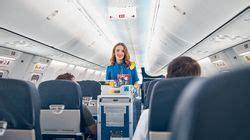
Once a minor inconvenience, seat squatting has now emerged as a widespread issue, especially on budget carriers where seat reservations often incur extra charges. Passengers hoping to snag window seats, stretch their legs in exit rows, or simply avoid being separated from companions have resorted to sitting wherever they please. However, this tactic has triggered conflicts on board, delayed departures, and escalated frustration for both travelers and flight crews.
Tourists—especially families and large groups—are disproportionately affected. For them, being separated across rows or cabins can ruin what should be a joyful start to a vacation. If cabin crew must intervene and rearrange passengers, the resulting delays are more than just inconvenient; they can cause missed connections and reduce the overall quality of the travel experience.
TUI, easyJet, BA, and Ryanair Respond with Stricter Measures
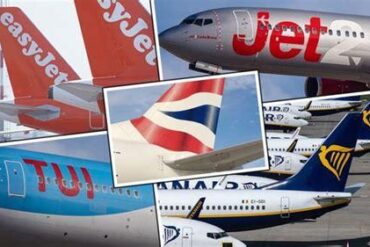
In response to this growing issue, the four major airlines have recalibrated their seat allocation protocols to deter squatting and ensure smoother operations.
TUI Airways: Proactive Monitoring and Clearer Communication
TUI Airways has tightened its boarding oversight, instructing crew to monitor seating arrangements more closely during the boarding phase. Staff are now trained to spot squatting early and take decisive action. Moreover, TUI has improved its communication about seat bookings, ensuring that passengers are better informed about how and when to reserve specific seats. This clarity helps reduce misunderstandings and empowers travelers to make pre-flight arrangements that suit their needs.
easyJet: Zero Tolerance for Seat Shuffling
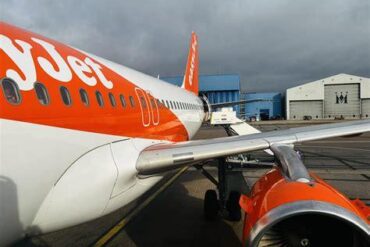
easyJet has revamped its seat allocation system, integrating more rigorous checks at the gate and during boarding. The airline’s revised stance includes a no-tolerance policy for passengers who attempt to switch seats without authorization. Crew members are empowered to enforce compliance, and overhead bin space is also managed with increased scrutiny to prevent passengers from rearranging bags to accommodate new seating positions.
British Airways: Enhanced Digital Seat Verification
British Airways has implemented a multi-phase strategy to reduce the opportunity for seat squatting. Passengers are now prompted to verify their seating assignments well in advance, during check-in and again at the boarding gate. BA’s updated mobile app and boarding pass system now reflect real-time seat information, reducing ambiguity and giving both crew and passengers clarity. These steps are meant to preempt squatting attempts before passengers even board the aircraft.
Ryanair: Financial Penalties and Enforced Compliance
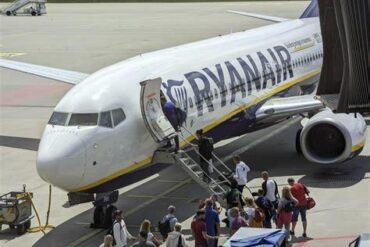
Ryanair has taken the boldest approach, introducing monetary penalties for seat squatters. Passengers caught in unassigned seats will be ordered back to their allocated position—or charged the fare difference on the spot. The airline has designed this system to promote fairness, discourage gaming of the seating system, and maintain efficiency during high-volume travel periods.
Why This Matters for European Tourism
With Europe witnessing a post-pandemic tourism boom, air travel forms the backbone of cross-border exploration. From cultural excursions to seaside getaways, travelers rely heavily on budget carriers to make affordable journeys possible. However, the influx of tourists has strained operational capacities, especially in seating logistics. Mismanaged boarding due to squatting not only erodes the passenger experience but creates ripple effects—slower turnaround times, disgruntled customers, and logistical backlogs.
In countries where tourism accounts for a major chunk of GDP, seamless air travel is essential. Ensuring tourists arrive at their destinations relaxed and on time contributes directly to their spending habits, satisfaction levels, and willingness to return. Airlines that prioritize equity and clarity in seating arrangements are more likely to attract repeat business and positive reviews.
Impact on Tourists and Families
The most severely affected demographic is leisure travelers. Tourists often travel in groups or as families and value the ability to sit together. When those expectations are thwarted—either by poor planning or other passengers claiming desirable seats—tensions escalate. For parents traveling with young children or elderly relatives, separation is more than an annoyance—it’s a safety and comfort issue.
New policies now offer tourists reassurance and predictability. By clearly defining seating rules and enforcing them strictly, airlines aim to reduce mid-flight seat disputes and ensure families remain seated together when booked as a group. This shift supports a more tranquil cabin atmosphere and allows tourists to focus on enjoying their journey, not navigating unnecessary conflict.
A Shift Towards Predictable, Passenger-Centric Travel
Modern travelers increasingly prioritize smooth logistics over bargain fares. As expectations evolve, airlines must deliver more than just cheap tickets—they must ensure reliable, efficient travel. The latest policy changes by TUI, easyJet, BA, and Ryanair demonstrate a renewed commitment to operational order and passenger experience.
These new measures also align with a broader shift towards digital travel tools and enhanced passenger information systems. Mobile check-in, digital boarding passes, and app-based seating maps empower travelers to manage their journey with confidence. Airlines that integrate these systems while upholding clear policies will continue to thrive in Europe’s competitive low-cost market.
The Economic Rationale Behind Stricter Policies
Airlines operate on razor-thin margins, especially budget carriers. Seat squatting introduces inefficiencies that ripple through the entire flight schedule. Delays caused by seating disputes affect not just one flight, but potentially dozens across a network. By reducing boarding time, minimizing staff intervention, and streamlining passenger flow, carriers save both time and money.
Additionally, squatting undermines airlines’ revenue models. Seat selection fees are a source of ancillary income, which helps keep base fares low. When passengers circumvent these fees through squatting, it distorts the business model and affects financial sustainability. Enforcing seat allocations helps restore that balance.
A Call for Passenger Cooperation
While airline enforcement plays a major role, passenger behavior must also evolve. The convenience of digital bookings and mobile boarding passes comes with a responsibility to follow assigned seating. Tourists who understand the reasons behind these policies—and comply with them—help create a better travel experience for everyone.
Choosing a seat in advance, paying the associated fee if necessary, and respecting the space of others on board are simple yet effective ways travelers can contribute. As airlines do their part by tightening policies and improving communication, passengers can match that effort by respecting boundaries and prioritizing group cohesion over opportunism.
Conclusion: A Smoother Journey Through Clearer Rules
Seat squatting is more than a minor inconvenience—it’s a systemic issue that disrupts efficiency, erodes fairness, and negatively impacts the tourist experience. By enforcing stricter seat allocation policies, TUI, easyJet, British Airways, and Ryanair are taking a definitive step towards reclaiming order in their cabins.
For tourists, this means greater certainty, improved boarding processes, and a more enjoyable journey. With fair seating rules now becoming the norm, the air travel experience across Europe stands to become more streamlined, respectful, and traveler-focused. In an era of increasing mobility, these small but vital improvements signal a welcome evolution in budget air travel.