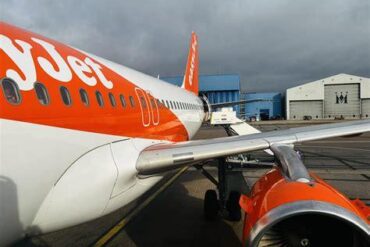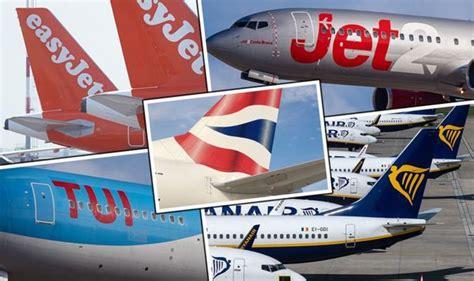
When flying with Europe’s most popular low-cost carriers—easyJet, Ryanair, Jet2, and TUI Airways—what you pack can make or break your journey. These airlines may keep fares competitively low, but they also come with stringent baggage policies and a maze of rules regarding what you can and can’t bring onboard. From food and drink limitations to lesser-known EU customs restrictions, understanding these fine-print rules can help travelers avoid unnecessary delays, embarrassment at security, or even confiscated goods.
Beyond the obvious advice of checking your passport and boarding time, mastering the onboard item policies of these airlines is the secret to a stress-free travel experience. In this article, we dig deep into airline-specific baggage protocols, reveal lesser-known restrictions, and arm you with expert strategies to breeze through airport checkpoints.
EasyJet (U2): Hidden Flexibility with Food but Strict on Liquids
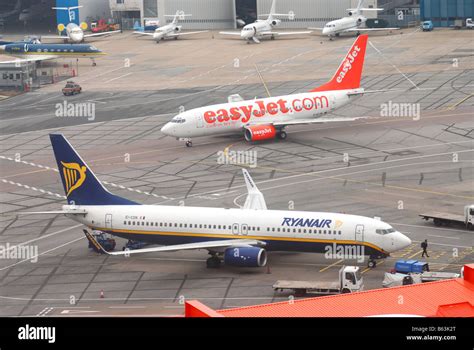
easyJet, headquartered at London Luton Airport (LTN), serves over 30 countries and operates under a simple, no-frills ethos. While the airline is famed for charging for nearly everything beyond the seat, it provides a surprising amount of flexibility when it comes to passenger food.
You are permitted to bring cold snacks and even hot drinks—but only under specific conditions. Hot beverages must be purchased inside the terminal after security, served in a secure, lidded container, and cannot pose any risk of spilling. This means no homemade coffee in thermoses and no loose takeaway cups without proper lids.
When it comes to liquids, easyJet enforces the standard 100ml limit, with all containers placed inside a single, transparent resealable bag, no more than one liter in capacity. Passengers carrying baby milk, formula, or medically necessary liquids may be subject to additional checks.
However, beware: bringing your own alcohol onboard is completely forbidden—not just its consumption but even opening bottles during flight can lead to warnings or legal action. easyJet crew are trained to handle non-compliant behavior seriously, often issuing lifetime bans for repeat offenders.
Ryanair (FR): Budget Travel with Tightly Controlled Cabin Environment
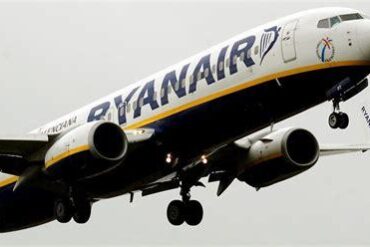
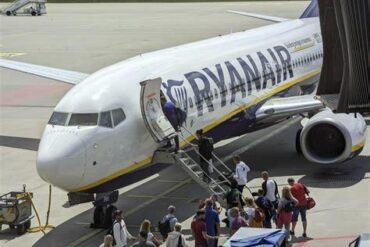
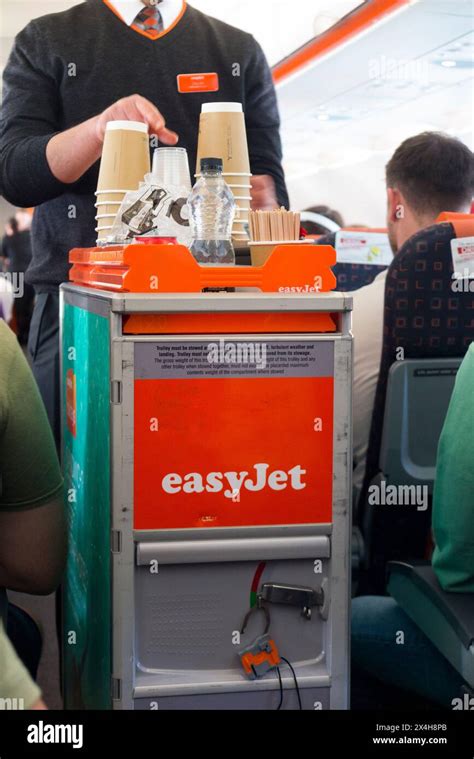
Ryanair, Europe’s largest low-cost carrier, headquartered in Dublin, is renowned for its punctuality, strict luggage enforcement, and ultra-low fares. But hidden in the fine print are clear and non-negotiable food and drink rules that many first-time flyers overlook.
Unlike easyJet, Ryanair explicitly prohibits hot beverages onboard—whether purchased airside or not. While cold snacks and non-alcoholic drinks are allowed, they must not be messy or potentially disruptive. The airline takes particular issue with food that emits strong odors, such as curry, fish, or anything greasy, as part of its cabin cleanliness protocols.
One of Ryanair’s strictest rules involves alcohol: passengers may not consume any alcoholic beverages they’ve brought with them, whether duty-free or not. In fact, Ryanair has made headlines multiple times for diverting flights due to inebriated passengers opening mini liquor bottles midair. These rules are enforced aggressively, and non-compliance can result in arrests on arrival.
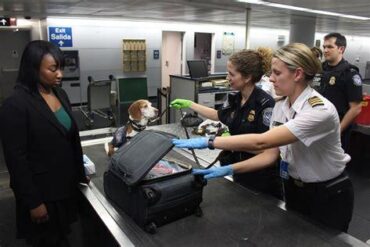
Security officers at London Stansted (STN), one of Ryanair’s main UK hubs, are particularly alert to concealed liquid or prohibited items. It’s crucial to pack in line with their rules if you want to avoid last-minute delays.
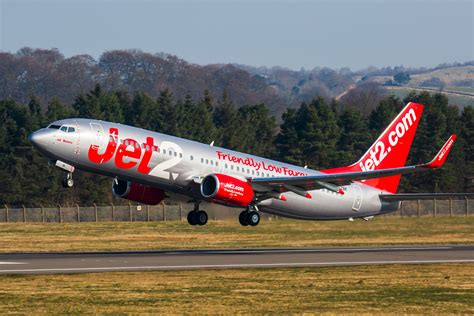
Jet2 (LS): Strict but Passenger-Centric Food Policy
Operating extensively from Manchester Airport (MAN), Jet2 has built a reputation for friendly customer service—something not often associated with budget airlines. However, their rules around what you can eat or drink onboard are surprisingly firm.
Jet2 does not allow hot food at all, regardless of where it’s purchased. Passengers are encouraged to pack simple, cold items, like sandwiches, crisps, or fruit. Strong-smelling or oversized food is frowned upon. It’s not just about cleanliness—it’s about cabin harmony.
Jet2’s cabin crew will politely remind passengers that their own alcohol must remain sealed throughout the flight, echoing industry-wide safety protocols. Additionally, passengers should be cautious with baby food and milk—Jet2 follows strict EU liquid limits, allowing only baby-related liquids under 100ml, unless a special exemption has been requested at security.
That said, Jet2 does provide an onboard menu featuring pre-order meals, drinks, and snacks, which many find to be a reasonable tradeoff. And for travelers with dietary restrictions, Jet2 allows you to bring your own meals, provided they follow the airline’s no-hot-food rule.
TUI Airways (BY): Family-Friendly but Regulatory-Conscious
TUI Airways, also operating from major hubs like Dublin (DUB) and Gatwick (LGW), is considered more leisure-focused than strictly low-cost, yet it aligns closely with other budget carriers in terms of onboard consumption policies.
TUI allows passengers to bring their own cold food onboard, particularly for short-haul flights where cabin catering may be minimal. However, hot food is discouraged, and outside alcohol is banned entirely—even unopened bottles purchased at the airport must remain sealed.
What sets TUI apart is its leniency toward baby food and baby-related travel items. Parents are allowed to bring formula, puree, and sterilized water in quantities exceeding the 100ml rule, provided they declare these items at security. This family-first approach reflects TUI’s broader strategy of appealing to holidaymakers, including those with young children.
Passengers who rely on medical foods or special diets are urged to inform TUI in advance and carry proof, such as a doctor’s note, to minimize complications during security checks.
The Hidden Risk: EU Food Import Restrictions
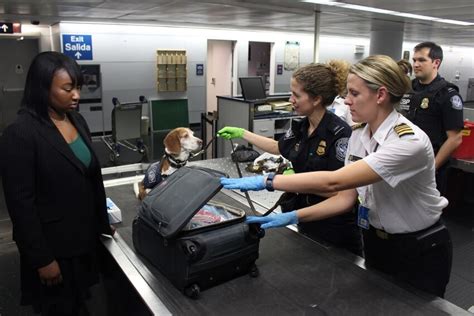
One of the most overlooked travel snags for passengers flying into or within the European Union is its strict food import regulations. Even if an airline permits a specific item onboard, you might be forced to discard it upon arrival due to customs rules.
Meat, dairy products, and animal-based foods are strictly controlled when entering the EU from non-member countries. For example, a passenger flying from Turkey to Germany with a homemade ham sandwich could be fined or forced to dispose of their meal at customs.
This also applies to packaged products—sealed cheese or yogurt, even if store-bought, might not be allowed unless it complies with EU origin labeling standards. The best advice: finish your food mid-flight if you’re unsure of its eligibility.
Alcohol and Baby Food: The Two Exceptions That Define Most Rules
Across all four airlines, two categories of items receive special attention and exceptions: alcohol and baby food.
For alcohol, the consensus is unanimous: no personal alcohol can be consumed onboard, period. It doesn’t matter if it’s a tiny bottle of whiskey or a €100 bottle of champagne from duty-free. The safety concern centers around controlling consumption and preventing disruptive behavior.
In contrast, baby food policies are more compassionate. Parents traveling with infants may bring:
- Up to 1 liter of prepared baby food
- Liquid milk, juice, or sterilized water in containers over 100ml (declared at security)
- Cooling gel packs or ice packs if needed
These exceptions are honored across easyJet, Ryanair, Jet2, and TUI, though screening procedures may differ slightly at airports.
The Secret to Hassle-Free Travel with Low-Cost Carriers
To travel with confidence on budget airlines, the secret isn’t premium luggage or first-class perks—it’s preparation. Understanding the unspoken, yet rigid, rules of food and beverage policies can drastically reduce stress.
A seasoned traveler knows to:
- Avoid hot food, unless explicitly allowed (e.g., lidded drinks on easyJet)
- Never open personal alcohol onboard
- Use resealable food containers to avoid spills or smells
- Finish prohibited food before landing in the EU
- Declare baby-related items clearly and prepare for security screening
- Double-check gate policies, as enforcement can vary between airports, even within the same airline
These rules might seem trivial, but violating them can result in more than embarrassment—it can cost you time, money, or even the ability to board.
Final Thoughts: Know Before You Fly
Budget airlines continue to dominate European skies, offering travelers unbeatable fares. But these savings often come with tight rules that can catch the unprepared off guard. The policies surrounding onboard food, drink, and restricted items are not just administrative—they are core components of airline safety and passenger comfort.
By learning the specific regulations of easyJet, Ryanair, Jet2, and TUI Airways, travelers not only improve their chances of a smoother, incident-free flight but also gain the confidence to navigate low-cost flying like a pro. The real travel hack isn’t sneaking a sandwich past security—it’s knowing when and how to bring it in the first place.