
For a U.S. military pilot, leaving active duty for a career with a major commercial airline can look like an obvious financial upgrade. Airline captains at carriers such as Delta, United, and American can eventually earn several times the basic pay of a senior military officer, particularly after gaining years of airline seniority and moving into widebody captain positions. Yet the decision is more complicated than simply comparing two annual salary figures. The transition can involve temporary income reductions, lost retirement benefits, tax differences, forgone bonuses, and the enormous financial value of airline seniority.
The appeal is nevertheless powerful. A military aviator may spend years building experience in fighters, bombers, mobility aircraft, or other sophisticated platforms before reaching a point where civilian airlines become an attractive next career. Once established at a major carrier, a pilot can benefit from high contractual pay, employer retirement contributions, profit sharing, improved vacation, and steadily increasing compensation tied to seniority. A widebody airline captain can ultimately occupy one of the most lucrative positions available to a professional pilot.
But reaching that point involves financial choices that are easy to overlook. A military pilot who leaves after roughly ten years is making a fundamentally different economic decision from one who completes 20 years and collects a military pension. Likewise, someone leaving the service must consider the value of tax-free allowances and aviation bonuses that may disappear immediately. The following five trade-offs explain why the decision requires much more than comparing military basic pay with an airline salary.
1. The Airline Transition Creates a Temporary Pay Gap
The first financial trade-off is perhaps the most immediate: a military pilot may earn less during the transition to an airline career before eventually earning substantially more. Military aviation experience provides major advantages, including flight hours, professional discipline, leadership experience, and potentially valuable progress toward civilian aviation qualifications. However, military experience does not automatically transform an officer into an airline pilot on the day of separation.
The pilot still needs the appropriate FAA certificates, medical qualification, aeronautical records, documentation, and airline-specific hiring and training requirements. For an already qualified fixed-wing military pilot who plans carefully, the practical transition from separation to airline flying can potentially take only several months. A more conservative planning window is approximately six to 12 months, while poorly timed applications or difficult hiring conditions can extend the overall process much further.
The important financial issue is that the pilot’s military income ends before the full airline earning potential begins. During the transition, the pilot may be completing paperwork, interviews, simulator preparation, training, and initial operating experience rather than immediately earning a captain’s salary. Once hired, the pilot normally enters the airline’s new-hire pay structure as a First Officer. The exact training compensation varies by airline, but the central point remains the same: a pilot who was an experienced military aviator can temporarily be paid like an inexperienced airline First Officer.
That creates a potentially significant short-term reduction in total compensation. The transition penalty is therefore not necessarily a period of completely lost income. Instead, it is often a period in which the pilot exchanges higher military compensation and allowances for lower new-hire airline compensation. The long-term calculation can still favor the airline, but the household must be financially prepared for the initial decline.
The timing also matters because airline compensation increases substantially with seniority. A pilot who leaves the military earlier begins accumulating airline seniority earlier, potentially reaching higher-paying positions years before a colleague who remains on active duty. This means the short-term pay cut can effectively become an investment in a much larger future income stream.
2. The Military Pension Can Be Worth More Than It Looks
The second and potentially most consequential trade-off is the military pension dilemma. For a pilot who has already accumulated substantial years of service, leaving before retirement eligibility means giving up an immediate lifetime active-duty pension. That decision can be financially rational, but it requires comparing a guaranteed retirement benefit against the enormous earning potential of earlier airline seniority.
Under the current Blended Retirement System, a service member who completes 20 years can receive a retirement benefit based on 40% of High-36 basic pay, with annual cost-of-living adjustments. Those covered by the older retirement system generally receive 50% of High-36 basic pay. The precise benefit depends on the individual’s circumstances, but the broader financial principle is clear: completing 20 years creates a valuable income stream that continues after military service.
A pilot who leaves after approximately ten years does not normally receive an immediate active-duty pension. Instead, that pilot takes accumulated retirement savings and moves into civilian aviation while beginning to build airline seniority much earlier. The financial opportunity is substantial because those additional years at an airline can potentially translate into earlier upgrades, higher aircraft pay, and more valuable positions later in the career.
The alternative is to remain in uniform for 20 years, secure the military retirement benefit, and then enter commercial aviation. That pilot may begin an airline career around the age of 42 to 45, depending on the individual’s career path. The cost is potentially a decade or more of lost airline seniority compared with someone who left military service earlier.
The numbers illustrate the tension. A military major may have peak basic pay around $126,000 and total annual compensation in the neighborhood of $181,000 to $195,000, according to the supplied reference figures. A 12-year widebody captain at one of the major U.S. airlines could reach approximately $510,000 to $560,000 or more in total annual compensation. Yet the military retiree can potentially combine airline earnings with a lifetime military pension.
That makes the 20-year option particularly attractive to pilots who value two sources of retirement-era income. The pension itself can contribute roughly $44,000 annually in the example provided, while the former military pilot continues building an entirely separate commercial aviation career. The earlier departure, however, may produce greater lifetime airline earnings because seniority compounds for decades.
3. Tax-Free Military Allowances Can Make Military Pay More Valuable
A third trade-off is hidden inside the paycheck: military compensation can be considerably more tax-efficient than its headline dollar value suggests. A simple comparison between military annual compensation and airline salary can therefore produce a misleading result if tax treatment is ignored.
Military basic pay and aviation incentive pay are generally taxable, as are many bonuses. However, several important forms of military compensation can be tax-free. The Basic Allowance for Housing (BAH) is generally tax-free, while the Basic Allowance for Subsistence is also tax-free. Depending on circumstances, other allowances, reimbursements, and combat-zone compensation can receive favorable tax treatment as well.
The supplied figures suggest that a military pilot could receive approximately $40,000 per year in largely tax-free allowances. That does not mean every pilot receives exactly that amount, because location, rank, family status, assignment, and other factors influence compensation. Nevertheless, the tax distinction can materially change the effective value of military pay.
For example, a military officer in a 24% marginal federal tax bracket would ordinarily owe substantial federal income tax on an additional $40,000 of taxable compensation. If that same amount is received through tax-free allowances, the household can retain thousands of dollars that would otherwise have gone to taxes. State income tax can make the difference even more significant depending on where the pilot lives.
Airline pilots have their own tax advantages, particularly through large employer retirement contributions and 401(k) opportunities. High airline compensation can also provide substantial retirement savings capacity. Nevertheless, the military’s combination of allowances and special compensation can make its total package more competitive than a straightforward base-salary comparison indicates.
This matters most during the transition. A pilot leaving the military may see a civilian salary that looks dramatically higher on paper but provides less favorable tax treatment. The difference becomes increasingly important when comparing actual disposable income rather than gross compensation.
4. Leaving Means Giving Up Military Aviation Bonuses
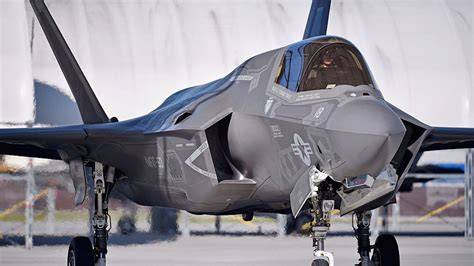
The fourth trade-off involves retention bonuses, particularly Aviation Bonus programs designed to persuade experienced military aviators to remain in uniform. These payments can represent a substantial part of a pilot’s annual financial package, especially for pilots in communities where experienced personnel are difficult to replace.
According to the supplied Air Force budget figures for fiscal year 2027, the projected average retention bonus for the fighter community is approximately $50,907. The average for bomber pilots is around $41,376, while mobility pilots are projected at approximately $32,895. Across the force, projected aviation-bonus spending reaches approximately $244.7 million, compared with $208.6 million in fiscal year 2026.
These figures demonstrate why the decision to leave cannot be evaluated solely through basic pay. A military pilot who walks away from an active-duty aviation career can also be walking away from thousands of dollars in additional annual incentive compensation.
Commercial airlines generally approach retention very differently. The major carriers do not typically need to offer traditional retention bonuses to their pilots because seniority itself becomes a powerful retention mechanism. A pilot who has spent several years building seniority at a major airline has accumulated valuable future benefits that can be difficult to surrender by changing employers.
Those benefits can include better aircraft assignments, higher pay rates, improved schedules, more vacation, and greater access to captain upgrades. In other words, an airline pilot may not receive a military-style retention check, but the economic value of remaining with the airline can increase every year.
Smaller airlines and regional carriers can use bonuses more aggressively. Some regional and low-cost airlines offer significant incentives to retain pilots, while Endeavor has advertised retention bonuses reaching as high as $150,000 in certain circumstances. For a military pilot choosing among civilian employers, this means the financial trade-off depends heavily on the destination airline and the career path being pursued.
5. Losing Seniority Can Cost Millions Over a Career
The fifth trade-off is perhaps the most difficult to calculate because it concerns the financial value of seniority. In military aviation, rank, command responsibility, qualifications, and professional experience carry enormous weight. Commercial airlines operate differently. Seniority determines many of the most important economic opportunities, and prior military prestige does not transfer directly into the airline seniority system.
A pilot who completes 20 years in the Air Force might leave service as a major or lieutenant colonel after holding positions such as instructor pilot, squadron operations officer, or commander. That individual could possess thousands of hours of sophisticated aviation experience and decades of leadership responsibility. Yet upon entering a major airline, the pilot generally begins again as a First Officer within the airline’s seniority structure.
That can be an enormous financial reset.
Consider a 45-year-old former military officer flying alongside a commercial captain who may be considerably younger. The former officer’s military rank does not determine who commands the aircraft. The commercial captain’s airline seniority does. More importantly from a financial perspective, the former military pilot has potentially surrendered many years of seniority-based earnings by waiting to enter the airline industry.
The difference compounds over time. Earlier seniority can influence captain upgrades, aircraft selection, domicile opportunities, schedules, vacation, and ultimately retirement contributions. A pilot who joins a major airline at a younger age may reach lucrative widebody captain positions much earlier than someone who enters after completing a full military career.
This is why a military pilot’s decision can look irrational if judged solely through the next year’s salary but highly rational when viewed across an entire 20-year civilian career. Leaving early sacrifices military retirement security but buys additional years on the airline seniority ladder. Staying for 20 years sacrifices airline seniority but creates a valuable military pension and the possibility of earning two retirement-linked income streams later.
The Real Decision Is About Lifetime Wealth, Not Salary
The five trade-offs reveal why there is no universally correct financial answer for military pilots considering commercial aviation. The first-year airline pay cut can be painful, but it may be temporary. The military pension can provide lifelong security, but earning it may mean entering the airline industry a decade later. Tax-free allowances can make military compensation more valuable than gross figures suggest, while aviation bonuses provide additional money that disappears after separation.
Most importantly, airline seniority has a value that becomes larger with time. A pilot who leaves military service early can potentially sacrifice a guaranteed military pension in exchange for decades of commercial seniority and much higher airline earnings. A pilot who stays for 20 years makes the opposite trade: giving up some airline seniority in exchange for a lifetime military retirement benefit.
There is also a human dimension that spreadsheets cannot fully capture. Some military pilots may strongly prefer the structure, mission, leadership opportunities, and identity associated with military aviation. Others may prefer corporate aviation, where previous leadership experience can play a more visible role than it does within the rigid seniority system of a major airline. Money is important, but it is not the only measure of a successful second career.
For those who do choose the airlines, the ultimate attraction remains powerful. Major carriers can offer extraordinary long-term compensation, particularly for senior captains flying widebody aircraft. But the path from military cockpit to airline cockpit is not simply a jump from one salary to another. It is a financial calculation involving transition income, retirement security, tax efficiency, bonuses, and seniority—five factors that can determine whether the apparent airline pay advantage becomes a truly superior lifetime financial outcome.
A useful next step is to model the decision at 10-, 20-, and 30-year horizons, because the financially stronger choice can change dramatically depending on when a pilot leaves military service.