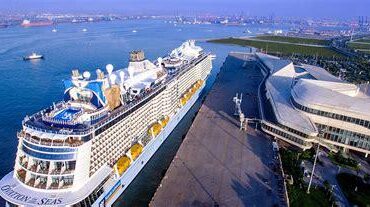
Canada’s tourism sector is facing significant headwinds in mid-2025 as cross-border travel with the United States shows troubling signs of weakening. Recent data released by Statistics Canada paints a sobering picture: U.S. visitor arrivals have dropped by 8.9%, and cruise ship traffic—a vital segment for many coastal cities—has nosedived by 31.5% compared to the same period in 2024. These trends are hitting key tourism-dependent regions like British Columbia especially hard, as operators now scramble to salvage a season once expected to rebound post-pandemic.
The numbers are more than statistics—they represent a broader economic and cultural contraction in Canada–U.S. travel relations, once a linchpin of bilateral tourism. The weakening momentum is reflected not only in declining American visitors but also in fewer Canadians traveling abroad, suggesting a chilling effect on two-way tourism activity across the border. A 14% decline in Canadians returning from the U.S. and an 18.9% drop from overseas destinations signal an overarching climate of caution, influenced by rising travel costs, inflationary pressure, and a murky global economic outlook.
British Columbia’s Cruise and Ferry Links Feel the Brunt
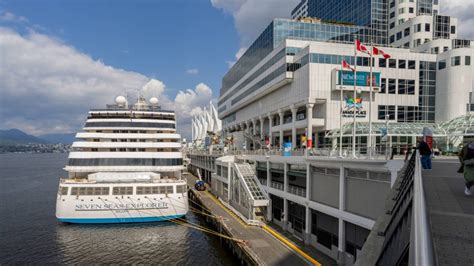
British Columbia, historically among Canada’s most vibrant tourism destinations, is now confronting a sharp contraction in cruise and ferry activity, threatening businesses built on predictable seasonal flows. Cruise tourism, a major economic engine for port cities like Vancouver and Victoria, has suffered a crippling 31.5% year-on-year decline in American cruise passengers. Local port authorities and surrounding businesses—from gift shops to boutique hotels—are reporting severe revenue dips during what is usually a lucrative period.
Among the hardest hit is the Victoria–Seattle ferry route, long favored by both tourists and locals. This service, once bustling with energy during spring and summer weekends, now operates in a vastly diminished capacity. Canadian-origin bookings from Victoria have collapsed by 30%, while those from Seattle are down 12%. Such imbalances have forced the ferry company to reduce its weekly sailings from 11 to just 7, slash staffing levels in U.S. terminals, and reevaluate service sustainability altogether.

According to company insiders, the operational strain became evident the moment the ferry resumed its post-maintenance service in February. Although American ridership showed early strength, that too faded as the season progressed. With 80% of passengers now being U.S.-based, the weakening American turnout is delivering a dual blow. Management warns of potential further cutbacks, as the route teeters on financial unsustainability despite being one of the region’s iconic cross-border connectors.
Economic Uncertainty and Travel Behavior Shifts Fuel Decline
This downturn isn’t just a statistical anomaly—it reflects deeper structural and psychological shifts in how people travel. The combination of persistent inflation, volatile currency exchange rates, and high fuel and accommodation costs has made international leisure travel less appealing to the average North American family. Travel plans once booked months in advance are now subject to second thoughts and cancellations.
Meanwhile, trade tensions and political rhetoric, though subtle, have cooled the emotional climate surrounding cross-border tourism. While no new restrictive policies have emerged, the perception of tension has prompted many would-be travelers to opt for more predictable and locally-rooted vacations. As one Victoria-based tour operator noted, “The issue isn’t closed borders—it’s cold sentiment.”
Local Businesses Struggle to Adapt Amid Uncertainty
The fallout from the travel slump is being felt across the spectrum—from ferry operators and tour agencies to restaurants, museums, and boutique accommodation providers. Many of these small and medium-sized businesses geared their offerings to cross-border visitors, particularly affluent Americans from the Pacific Northwest. Their absence leaves an undeniable void.
Hotels once fully booked in advance are now offering last-minute deals. Restaurants that thrived on foreign footfall during peak summer weekends are cutting hours or staff. Cultural institutions, too, are scaling back programming due to lower-than-anticipated tourist engagement. In a province where tourism contributed over CAD 22 billion annually pre-pandemic, the ripple effects are swift and deeply felt.
Domestic Tourism Holds Ground, But Can It Fill the Gap?
If there’s one silver lining, it’s the resilience of domestic travel. Canadians, faced with the same economic pressures that discourage foreign travel, are choosing to stay and explore within their borders. This trend has offered some reprieve to destinations that have pivoted quickly to court local tourists.
Coastal towns, national parks, and heritage attractions are now ramping up campaigns tailored to domestic audiences, emphasizing affordability, convenience, and cultural relevance. The “staycation” trend, once seen as a short-term post-pandemic phenomenon, now seems to be a longer-term behavioral shift. Yet, even this uplift has limitations: domestic travelers typically spend less per capita than international tourists, and their travel patterns often center around major holidays or long weekends rather than extended stays.

Mexican Market Emerges as a Potential Lifeline
Amid the gloom, an unexpected bright spot is the growing inflow of Mexican travelers to Canada. Recent improvements in airline connectivity and streamlined travel protocols have led to a measurable uptick in arrivals from Mexico, a market that was previously underdeveloped in Canada’s inbound tourism strategy.
While these figures are still modest compared to U.S. arrivals, the year-on-year growth is promising. Mexican tourists often travel in family groups, stay longer, and engage in cultural and nature-based experiences—aligning well with Canada’s tourism offerings. Major airports such as Toronto Pearson and Vancouver International have reported increased direct flights from Mexico City and Cancun, enabling smoother travel logistics.
This shift signals an opportunity for Canadian tourism boards to diversify beyond traditional source markets, particularly as the U.S. segment proves increasingly volatile. Mexico, with its young population and rising middle class, could become a vital component of Canada’s tourism rebound if nurtured effectively through marketing and infrastructure investment.
A Strategic Imperative: Diversification and Reinvention
The urgency is clear: Canada’s tourism sector must evolve to thrive in a new reality. The reliable flow of American visitors can no longer be counted on as a given. Instead, tourism leaders must pursue diversified markets, innovative packages, and culturally immersive experiences that resonate with changing traveler preferences.
Efforts must also be made to better support regional tourism initiatives, particularly those highlighting Indigenous cultures, sustainable travel, and lesser-known destinations. British Columbia, for instance, could capitalize on its ecological wealth and proximity to Asia-Pacific markets to reframe its brand beyond just U.S. weekenders. Alberta, with its dramatic landscapes, and Quebec, with its cultural richness, are similarly positioned to tap into alternative visitor profiles.

Marketing strategies must become more targeted, digital-first, and experience-driven. Rather than broad-stroke national campaigns, regions could benefit from hyper-local storytelling and influencer-led promotions, especially in platforms where Gen Z and Millennial travelers are making travel decisions. Additionally, incentive programs—such as off-season discounts, bundled tours, or flexible booking policies—may help convert tentative interest into confirmed itineraries.
Conclusion: A Pivotal Moment in Canada’s Tourism Narrative
Canada stands at a crossroads. The numbers are clear: the country’s tourism momentum is waning, and the traditional engines of growth—American road-trippers and cruise tourists—are sputtering. Yet within this challenge lies an opportunity to rethink, retool, and rebuild a more resilient tourism economy.
The coming months will be critical. With summer 2025 shaping up to be one of the most consequential seasons in recent memory, tourism boards, operators, and policymakers must act swiftly. If Canada can rise to meet this moment, embrace diversification, and pivot toward strategic long-term gains, it may yet emerge stronger than before.
What’s at stake is more than just revenue—it’s Canada’s global image as a travel destination. The question now is whether the industry can adapt fast enough to retain its place in the world’s travel imagination.