Japan’s luxury retail sector is currently grappling with a significant downturn as foreign tourist spending plummets and consumer behavior undergoes a profound transformation. Recent reports indicate that international visitors, once a cornerstone of Japan’s high-end shopping scene, are tightening their wallets and redirecting their focus toward experiential travel rather than luxury goods. This shift is underscored by a staggering 40% drop in department store sales in May 2025 compared to the previous year, reflecting both a decline in tourist numbers and a drastic reduction in average spending per visitor.
The factors contributing to this downturn are multifaceted. A surge in the yen’s value, combined with rising prices from global luxury brands and economic instability—especially in China—has dampened enthusiasm for high-end purchases among tourists. The Japan Department Stores Association reported that foreign tourists spent approximately 42.5 billion yen (around $374.4 million) at department stores in May 2025, a stark decline of 40.8% year-on-year. This marked the third consecutive month of decreased tax-free purchases, raising alarms about a potential long-term slump in international retail spending.
As the number of foreign shoppers dwindles, so does their average expenditure. In May 2025, the footfall of international shoppers fell by 5.4%, dropping below 536,000 visitors—a significant decline that hasn’t been seen in over three years. Furthermore, average spending per shopper plummeted by 37.4%, resulting in an individual expenditure of approximately 79,000 yen. Luxury items have particularly suffered, as the rising yen and increased prices from global brands make high-end products less appealing to budget-conscious travelers.
The China Factor: Economic Uncertainty and Its Impact
Chinese tourists have historically been among the highest spenders in Japan, significantly boosting the luxury retail market. However, recent economic uncertainties in China have led to a notable decrease in outbound spending. Between January and March 2025, Chinese visitors averaged 256,000 yen in spending—a 13.7% decline from the same period in 2024. This reduction is particularly concerning, given that Chinese consumers have been pivotal in driving Japan’s luxury retail boom. As their purchasing power diminishes, Japanese department stores must reassess their strategies and seek to attract other high-spending demographics.
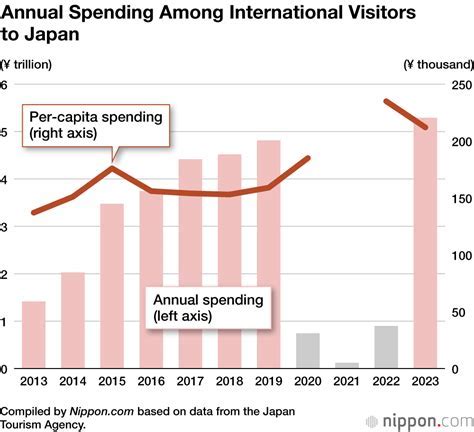
Despite the bleak outlook for department store revenues, overall tourist spending in Japan has remained relatively stable. According to the Japan Tourism Agency, international tourists spent an average of approximately 222,000 yen during their visits between January and March 2025, which marks a 5.2% increase compared to the same quarter in 2024. This suggests that while department stores are facing challenges, other sectors, including hospitality, dining, and cultural experiences, may be experiencing growth as travelers prioritize unique experiences over material goods.
Adapting to Changing Consumer Preferences
In response to dwindling sales and changing consumer priorities, Japan’s department stores are embracing innovation and new strategies to recapture the attention of overseas customers. Major retailers such as Isetan Mitsukoshi Holdings Ltd have launched mobile apps specifically designed for international customers. These apps, rolled out in March 2025, offer enticing sign-up discounts, targeted promotions, and loyalty incentives aimed at encouraging spending during visits.
Similarly, Takashimaya Co is enhancing customer loyalty initiatives across borders. Their Singapore branch now provides VIP membership cards to top shoppers, featuring exclusive perks like expedited tax-free processing and priority service at Takashimaya’s Japanese locations. This strategy seeks to convert regional loyalty into tangible revenue within Japan.
In a bid to diversify their appeal, Daimaru’s flagship Umeda store in Osaka is tapping into pop culture. In April, they began selling collectibles and models related to the iconic Mobile Suit Gundam anime franchise. This move targets younger and niche consumer groups who may not prioritize luxury goods but are willing to spend on themed merchandise and hobby-related items.
Rethinking Retail Strategies in a Post-Pandemic Landscape
The downward trend in department store spending has prompted Japanese retailers to rethink their assumptions about what international visitors desire. The post-pandemic travel landscape is distinctly different, with bargain-hunting tourists exhibiting more caution. Even affluent shoppers are re-evaluating the value of luxury goods in light of fluctuating exchange rates and rising prices, which deter impulsive purchases.
Retailers are thus under pressure to adapt, not only through promotions but also by offering a broader mix of experiences, services, and practical incentives. This could include integrating multilingual digital support, enhancing tax-free convenience, and crafting localized marketing strategies for key source markets like Southeast Asia, Australia, and Europe—especially as outbound travel from China continues to slow.
A Pivotal Moment for Japan’s Retail Tourism Model
Once synonymous with Japanese travel shopping, department stores now face the prospect of fading dominance in the retail landscape. Tourists are becoming increasingly financially cautious, with their travel motivations evolving beyond mere brand shopping. This change may signal a lasting evolution in how Japan’s retail industry, heavily reliant on tourism, adapts and conducts business moving forward.
As foreign travelers increasingly seek meaningful, personalized, and budget-conscious experiences, department stores must transition from being solely retail hubs to becoming comprehensive lifestyle destinations. This transformation entails blending shopping, entertainment, and culture under one roof to create an enticing environment for today’s discerning travelers.
Ultimately, the decline in spending at Japan’s department stores can be attributed to a combination of rising prices, a stronger yen, and shifting preferences away from luxury shopping. While overall tourist spending remains stable, department stores are no longer the primary beneficiaries of that expenditure. The interplay of exchange rates, changing consumer behavior, and regional economic dynamics, particularly stemming from China’s slowdown, are all pivotal in reshaping the future of retail tourism in Japan. Moving forward, the road to recovery will necessitate more than just attractive discounts; it will require a fundamental reinvention of the retail experience.